
You may be wondering why you aren't getting optimal results from your air fryer.
It might be a minor operating error that means you can't quite get that crunch you want. But some mistakes can lead to health risks so it is worth checking some of the common pitfalls of using an air fryer - and how to avoid them.
We call it an air fryer, yet it does not actually fry but circulates hot air in the cooking chamber.
"If the basket is overloaded, the air can no longer circulate effectively, resulting in unevenly cooked food and a less crispy finish," says Elisabeth van Thiel, a nutrition expert at the North Rhine-Westphalia Consumer Advice Centre in Germany.
Cook book author Christian Henze recommends filling the basket to no more than half its capacity.
"Every now and then, you should briefly pull the basket out by the handle and give it a shake to turn the ingredients over,” he adds.
Food that is to be coated in a wet batter is not well suited to cooking in an air fryer, says consumer advocate van Thiel.
"The batter can drip through the holes and block them. Vegetables with a high water content also tend to become mushy because the water escapes and the vegetables cook in it, rather than actually being fried.
Some examples of vegetables with a high water content are celery, bok choy, zucchini, tomatoes, green bell peppers and asparagus.
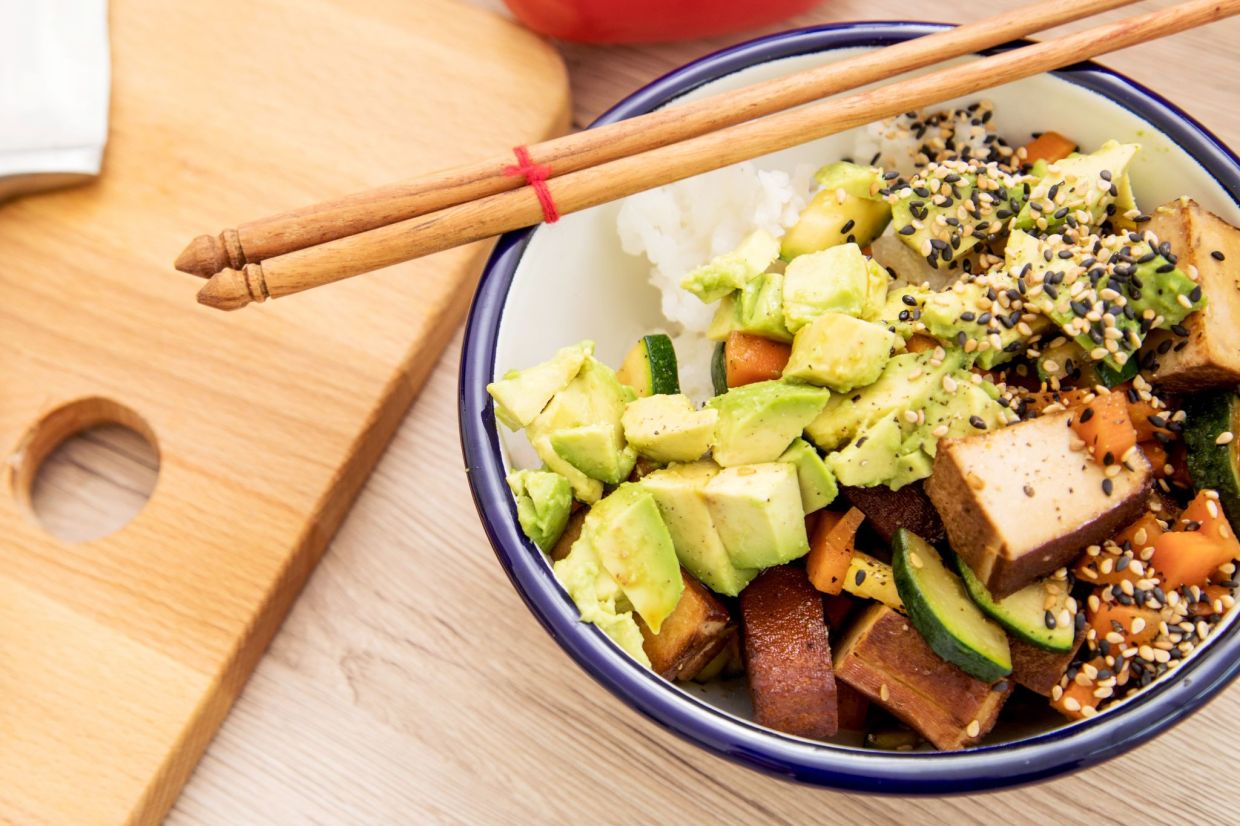
"Baking paper can be used, but most appliances have a non-stick coating, so baking paper isn’t actually necessary,” says Elisabeth van Thiel.
The baking paper can even disrupt air circulation, which can result in the food being less crispy.
"If you still want to use baking paper, you should only ever put it in the air fryer together with the food,” she says.
"Otherwise, the baking paper can be blown upwards and start to burn on contact with the heating elements. So if you’re using baking paper, avoid preheating the appliance or only place the paper in the basket afterwards,” says van Thiel.
It is almost the same when it comes to aluminium foil in the air fryer. This can also stop the air from circulating, resulting in food that is less crispy.
Furthermore, van Thiel says, there is also a risk that the foil will catch fire if it comes into contact with the heating elements.
No matter what, it is important to remember aluminium foil should never be used with salty, acidic or sour-and-salty pickled foods, she says.
"Salt or acid causes aluminium to leach from the foil, which then transfers into the food and is consumed,” she says.
Often, marinades contain salt, lemon juice or vinegar, so marinated food should ideally not be cooked in aluminium foil.
Recipes featuring tomatoes and feta in aluminium foil are also popular, but they are not suitable for this purpose either, says van Thiel.
"As a general rule, you should cook or store as little as possible in aluminium foil, whether in an air fryer, on the barbecue or in the oven.”
When making preparing starchy foods such as chips, fish fingers or bake-off rolls, Elisabeth van Thiel aims for food that is golden brown rather than burnt.
"Just as in an oven, the harmful substance acrylamide can form in an air fryer at temperatures of 120 degrees Celsius and above.
Generally speaking, carbohydrate-rich foods should only be heated for as long as necessary and at the lowest possible temperature,” she says.
"If the air fryer isn’t regularly cleaned of old grease, unhealthy trans-fatty acids can form as a result of the grease being reheated repeatedly,” warns van Thiel.
However, the risk of trans-fatty acids forming is higher with traditional deep-frying in hot oil. Nevertheless, "Clean the cooking chamber after every use,” she says.
Food residue and old grease bring other problems too. "They can burn on and lead to smoke formation, as well as damage the appliance,” van Thiel says.
You are not doing ourself any favours when it comes to flavour and smell if you use a dirty air fryer.
As a general rule, meat should always be cooked thoroughly and reach a core temperature of at least 70 degrees Celsius for 2 minutes.
But not everyone uses a meat thermometer in their kitchen at home.
"If you can’t check this with a thermometer, you should make sure that the meat juices running out are clear and, in the case of poultry, that the meat comes away easily from the bones,” says van Thiel. These are signs the meat is cooked all the way through. – By Claudia Wittke-Gaida/dpa