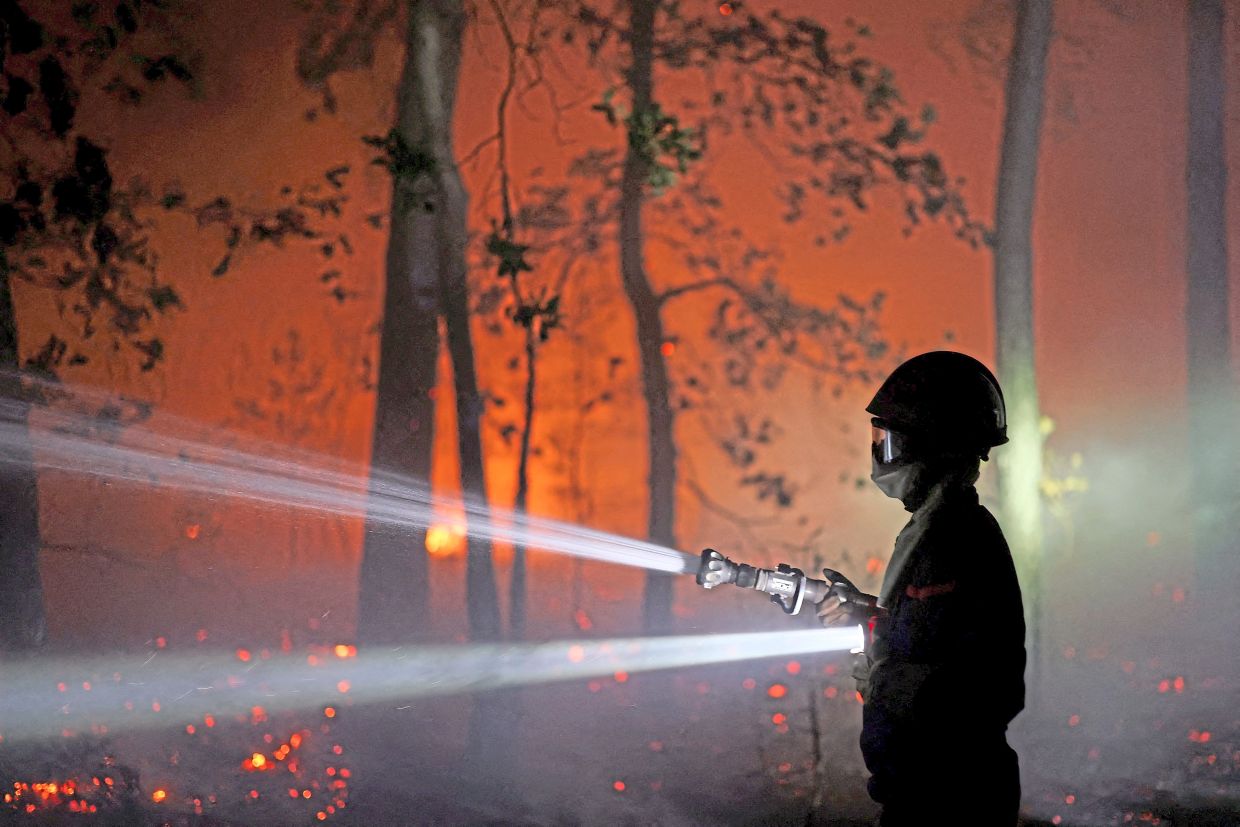
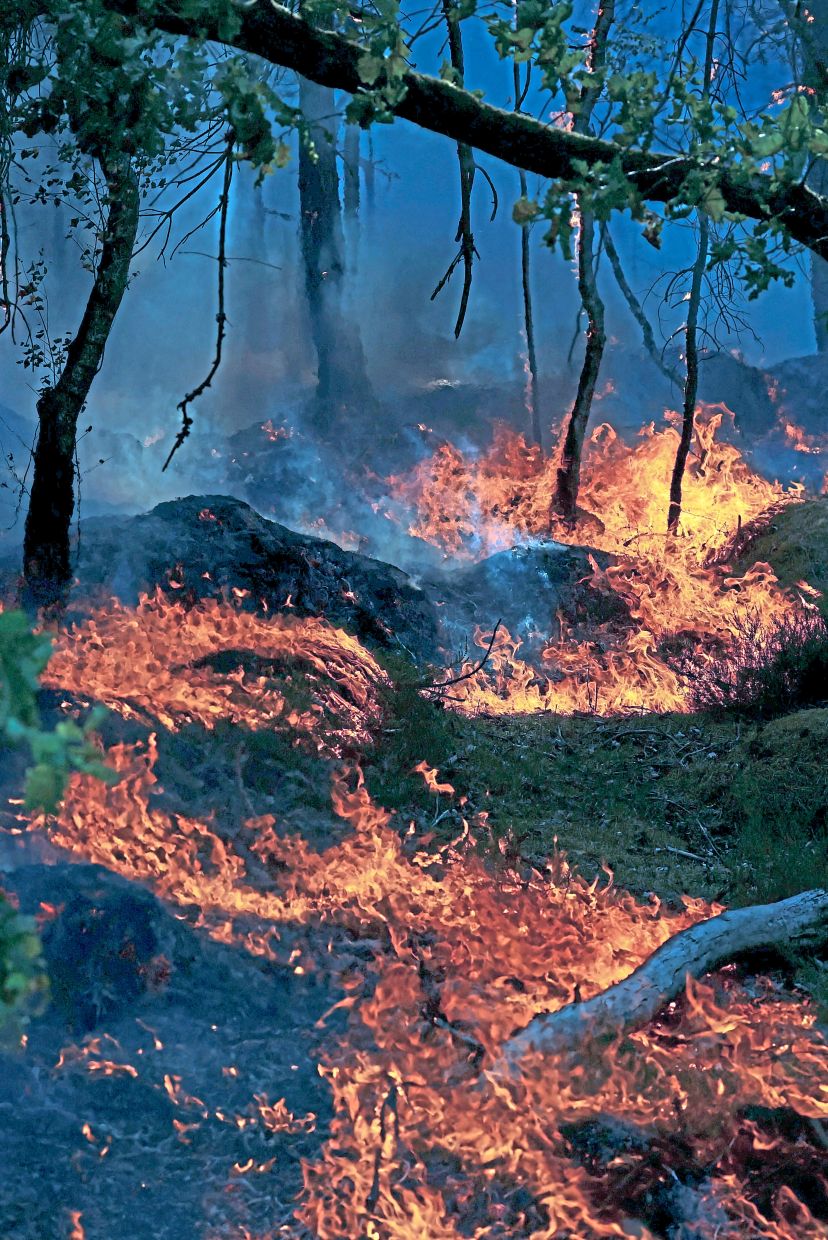
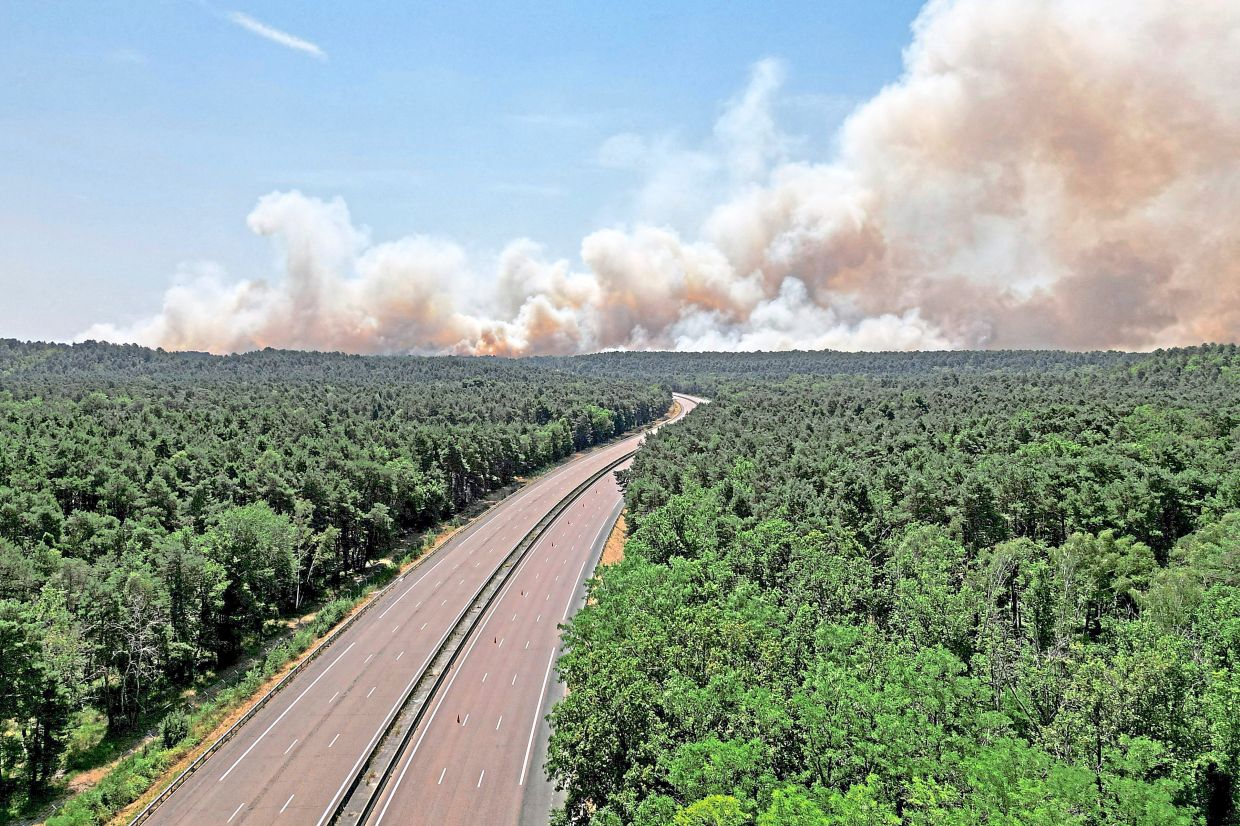
A massive fire near Paris, France on July 12 and 13 torched swathes of a forest that has lured admirers for centuries, from royal hunting parties to impressionist painters, rock climbers and nature lovers.
Fontainebleau is no stranger to fire but this inferno – fanned by strong winds and heatwave conditions – is among the worst in decades, destroying nearly 5% of the 25,000ha forest.
Prehistory and royalty
Fontainebleau attracts between 15 and 18 million visitors a year – nearly twice as many as the Louvre museum in Paris.
Most travel from the French capital 60km away but 30% come from outside France.
Rock art dating back to prehistoric times has been discovered in its caves.
Fontainebleau became a royal estate around the year 1000 under Robert II “the Pious” of France. Later, a grand palace was built to host hunting parties.
The hunting paths are still used today by firefighters to access the forest, said Sophie David, an archaeologist who heads the environment and visitor services department at the state-run National Forestry Office.
Blank canvas
Around 200 years ago, swathes of the forest had been cleared for agriculture, reducing it to roughly one-third of its current size.
“In the 19th century, trees were planted to fill in the gaps. Pines were chosen, trees with shallow roots...” capable of growing in Fontainebleau’s sandy soil, said David.
The character of this new, more open forest was captured by the painters of the Barbizon Impressionist school.
The invention of the paint tube, and rise of leisure travel among France’s growing bourgeoisie, helped make Fontainebleau attractive for walkers and artists.
“The railway arrived in 1849 and the world’s first signposted (hiking) trails were created” in Fontainebleau shortly after, said David.
Rosa Bonheur, a renowned French artist of this era, painted her iconic Fairy Pond in Fontainebleau.
Nature hotspot
The forest is home to oak and beech woods as well as coniferous forests, open heathland, fossil dunes, ponds and wetlands.
Thirty million years ago, the forest was an ocean. As the sea receded, it left behind sand which, over millennia, formed the sandstone blocks that now attract rock climbers.
“What makes the Fontainebleau massif unique is the diversity of its landscapes and the richness of its biodiversity,” said David.
It hosts more than 6,500 known animal species – hares and deer to birds like warblers and tawny owls and rare insects, such as the stag beetle.
Unesco designated Fontainebleau a “biosphere reserve” in 1998.
Around 1,000ha are designated strict nature reserves, with no human intervention. One of those reserves has been among the hardest hit by the fire.
Old foe
Fire was first recorded in Fontainebleau in the 13th century.
David said detailed records had been kept since 1863 and the current blaze – which has burned some 1,000ha already – was among the largest in the history books.
In the early 20th century, surveillance towers were erected to address the problem, helping reduce the area burned.
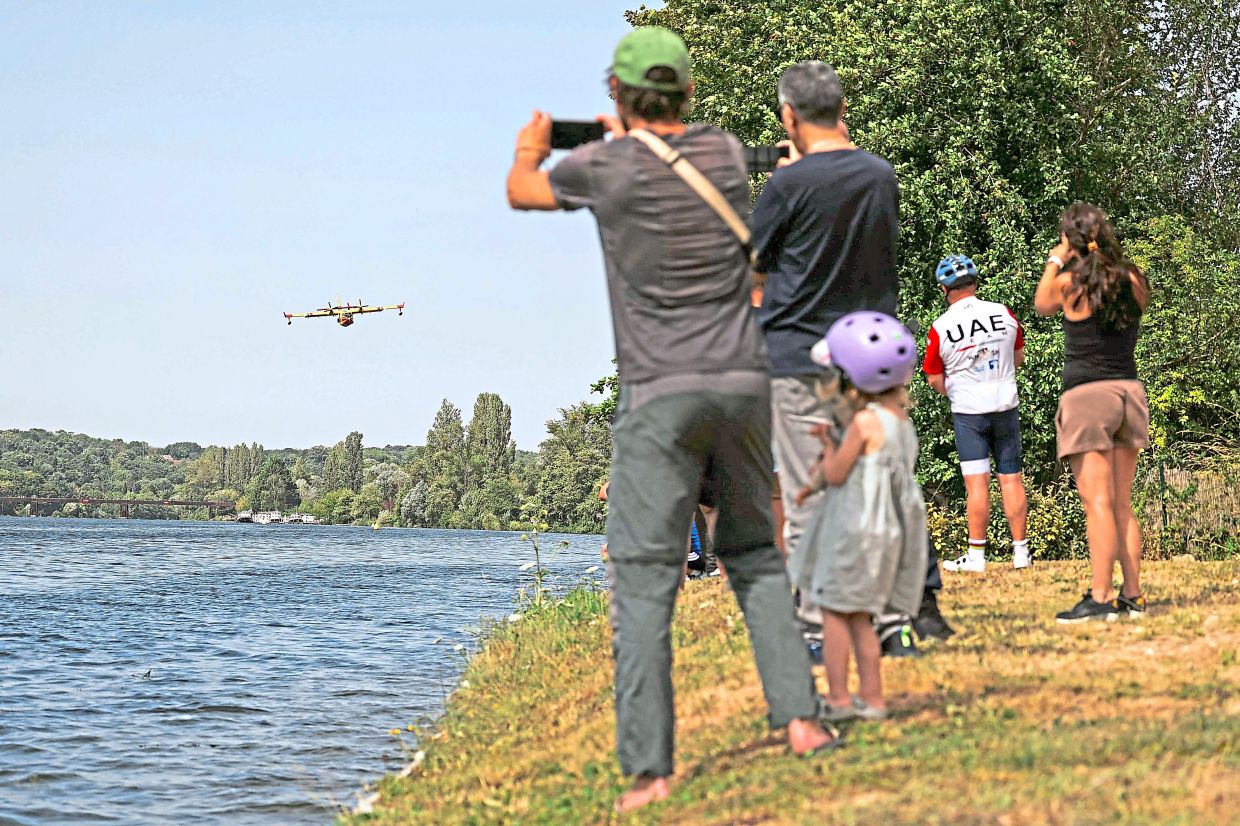
More recently, six 10,000-litre water tanks have been installed in the forest to enable a more rapid response to fires.
Around 30 fires break out each year, most often caused by cigarette butts or unauthorised campfires.
For the past two years, the fire service has been testing an AI surveillance system which can detect smoke and quickly locate the source to notify the fire department. – AFP