Officials in Osaka, Japan, did not pay much attention when an anonymous donor pledged US$3,000 (RM11,829) toward repairing the city’s water pipes.
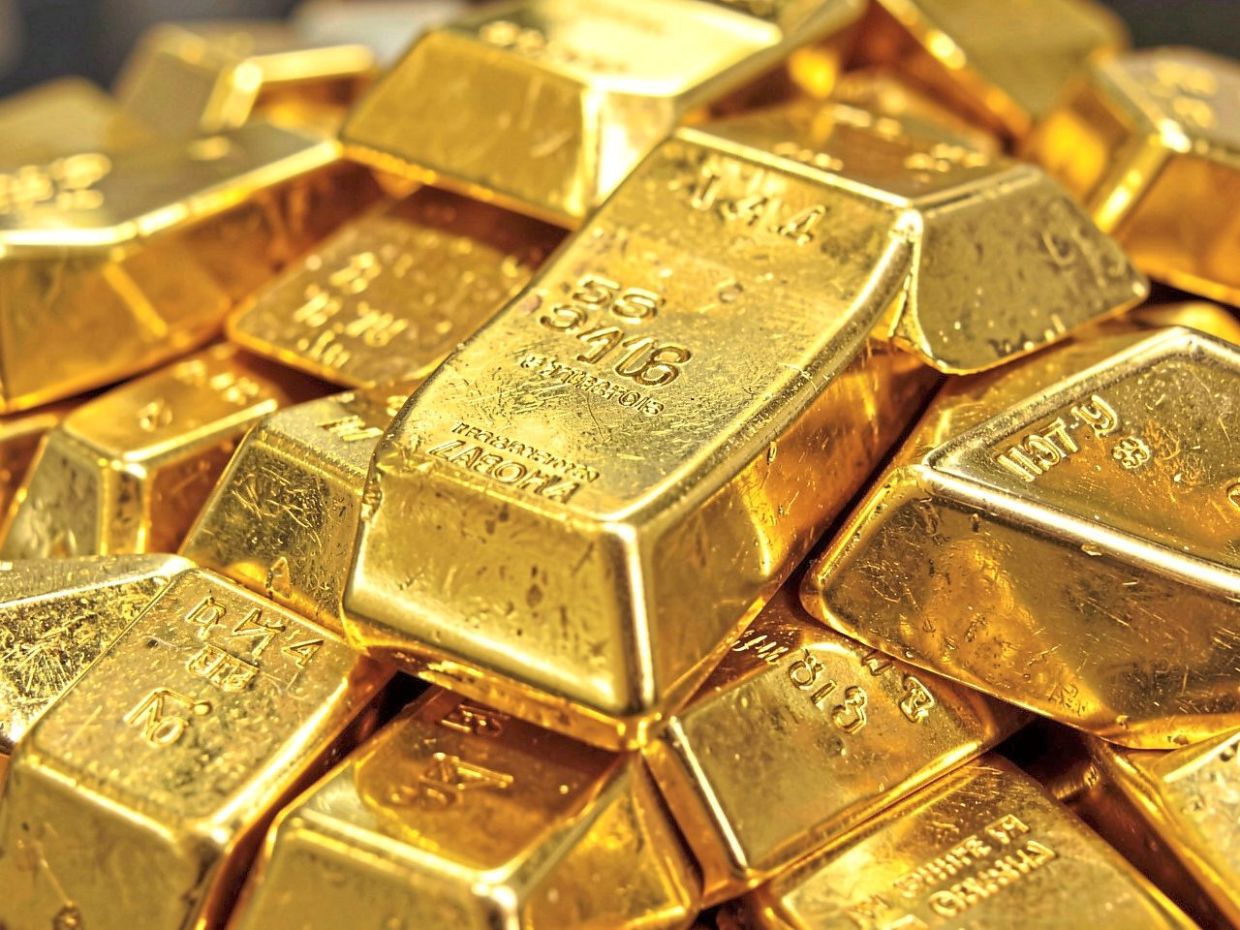
But they did a few weeks later when the same donor sent the city a second installment: twenty-one gold bars worth more than US$3mil (RM11.8mil) and weighing about as much as an airline passenger’s checked baggage allowance.
The gift, made last November and revealed recently in February by Osaka officials, has prompted speculation about the mystery donor and their motives.
It has also focused attention on the city’s ageing water pipes, which are some of the oldest in Japan.
Striking gold for waterworks
The city said in a statement that the gold bars were worth 566 million yen (about RM14.2mil), and that it would honour the donor’s wishes by using the money on the city’s waterworks.
The anonymous donations will go toward the budget for the new fiscal year that starts in April 2026, the Osaka Waterworks Bureau said.
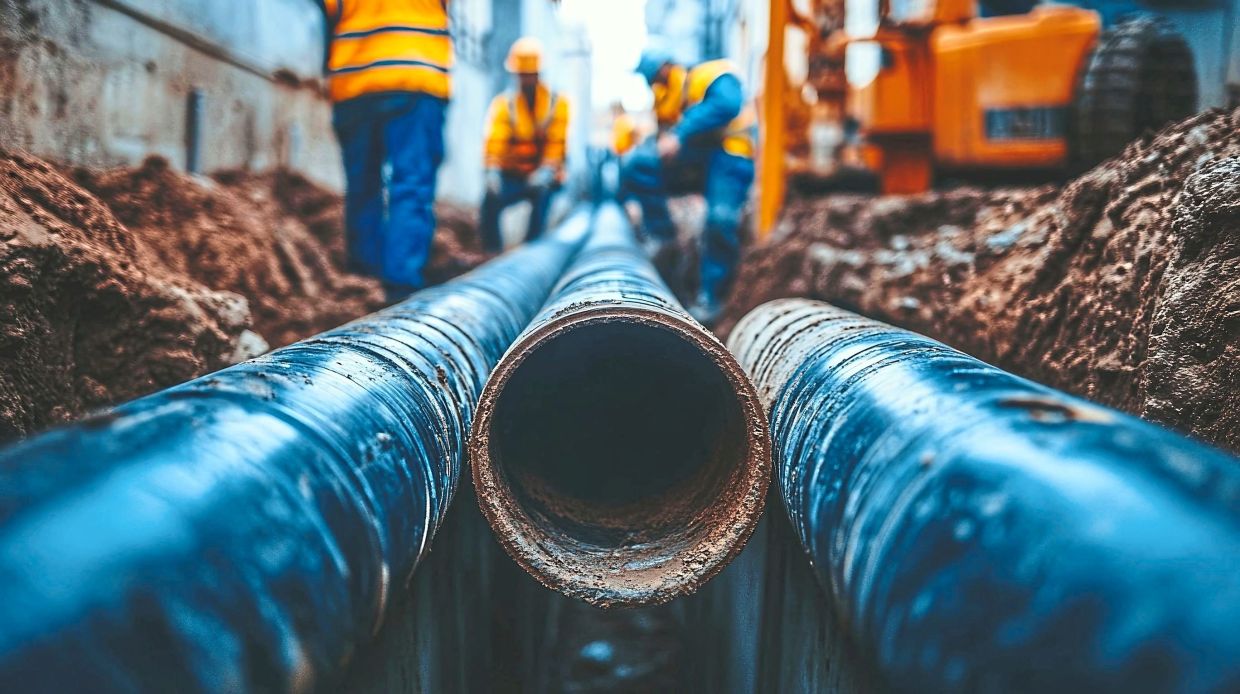
The gold will only help to fix a little more than a mile (1.6 km) of the 350 miles (563 km) of pipes that need to be replaced in Osaka, according to the bureau.
But it illustrates frustration with the city’s ageing water system that has been building for years.
The scale of the pipe network
Osaka has been replacing about 30 miles (48 km) of water pipes each year. The job is slow and expensive: The city estimates that installing more than 1,100 miles (1,170 km) of new pipes over 30 years will cost about US$5.5 billion (RM21.7 billion).
The city has made efforts to respect the donor’s request for anonymity.
Officials shared a photo of the gold bars, but redacted the serial numbers that are usually stamped on one-kilogram bars of gold to verify their authenticity and trace their ownership. The mayor will also forego a customary ceremony to present the donor with a letter of appreciation, according to the city’s statement.
The bureau declined to say whether it knew the donor’s identity or to give any other details about the donations.
Some social media users in Japan speculated that the donor’s wealth had been accumulated illegally or that the donor was a retiree whose savings were parked in gold. Others didn’t appear concerned about the provenance of the gold bars.
“It’s a good deed, so I didn’t really think about why and who the donor is,” said Yuki Tokusa, 35, an Osaka resident who works as a manager for a Japanese pharmaceuticals company. His family uses tap water for cooking, but he started paying for a weekly water delivery service when his three-year-old child was born, out of concern about the quality of the city’s water source.
Osaka, Japan’s second-largest prefecture, sources its water from the same lake as nearby Kyoto, Japan’s ancient imperial capital. The lake feeds the Yodo River, which runs through Osaka into Osaka Bay.
Osaka’s water pipes are some of the oldest in the nation.
Nearly a quarter of Japan’s water pipes are more than 40 years old, the statutory limit, and many were installed during the country’s economic boom of the 1970s and 1980s. In Osaka prefecture, about a third of the pipes are over the limit.
Residents welcome improvements
Japan’s tap water is generally very safe. But in Osaka, residents have complained about the strong smell of chlorine in their tap water, according to a 2023 Waterworks Bureau report.
The report said that chlorine has lingered in Osaka’s decades-old pipes, leaking into tap water despite the bureau’s attempts to reduce the concentration by injecting disinfectant at multiple points, instead of treating the water only at the purification plant. High levels of chlorine can be harmful, but not the low doses used to kill germs in water.
Sometimes, the smell of chlorine in Osaka’s water gets worse in the summer, said Reito Mima, a restaurant owner. He said he installed water purifiers at his home and his restaurant in Osaka City’s eastern suburbs, and that he avoids drinking tap water.
Genna Kilduff, a grant writer from the United States who has lived in Japan for five years, said she began to worry about the water quality in Osaka after moving there last month. She bought a test kit that revealed the water to be moderately hard, which means it has a higher concentration of minerals like calcium and magnesium that can irritate the skin and corrode residential pipes.
After hearing about the donated gold bars, Kilduff, 32, said she would welcome extra efforts to fix Osaka’s water system.
“It’s great that someone out there with that incredible money is thinking of the future of the city,” she said. “Water systems aren’t a glamorous thing to donate to, but are a vital part of everyone’s life.” – ©2026 The New York Times Company