For young adults with Down Syndrome (DS), training and structured guidance can help them learn practical life skills. Persatuan Down Syndrome Malaysia (PDSM) president Hanizan Hussin, 67, says vocational and life skills training programmes are designed to assist individuals with DS discover their strengths, prepare for employment and work towards greater independence.
"We assess each individual's abilities, skills and the goals set by their parents," says Hanizan.
"From there, our education team prepares modules and a curriculum to help them develop their potential."
"Parental support is key," Hanizan adds. "Their involvement ensures their child stays on track and achieves their goals," says the mother of seven.
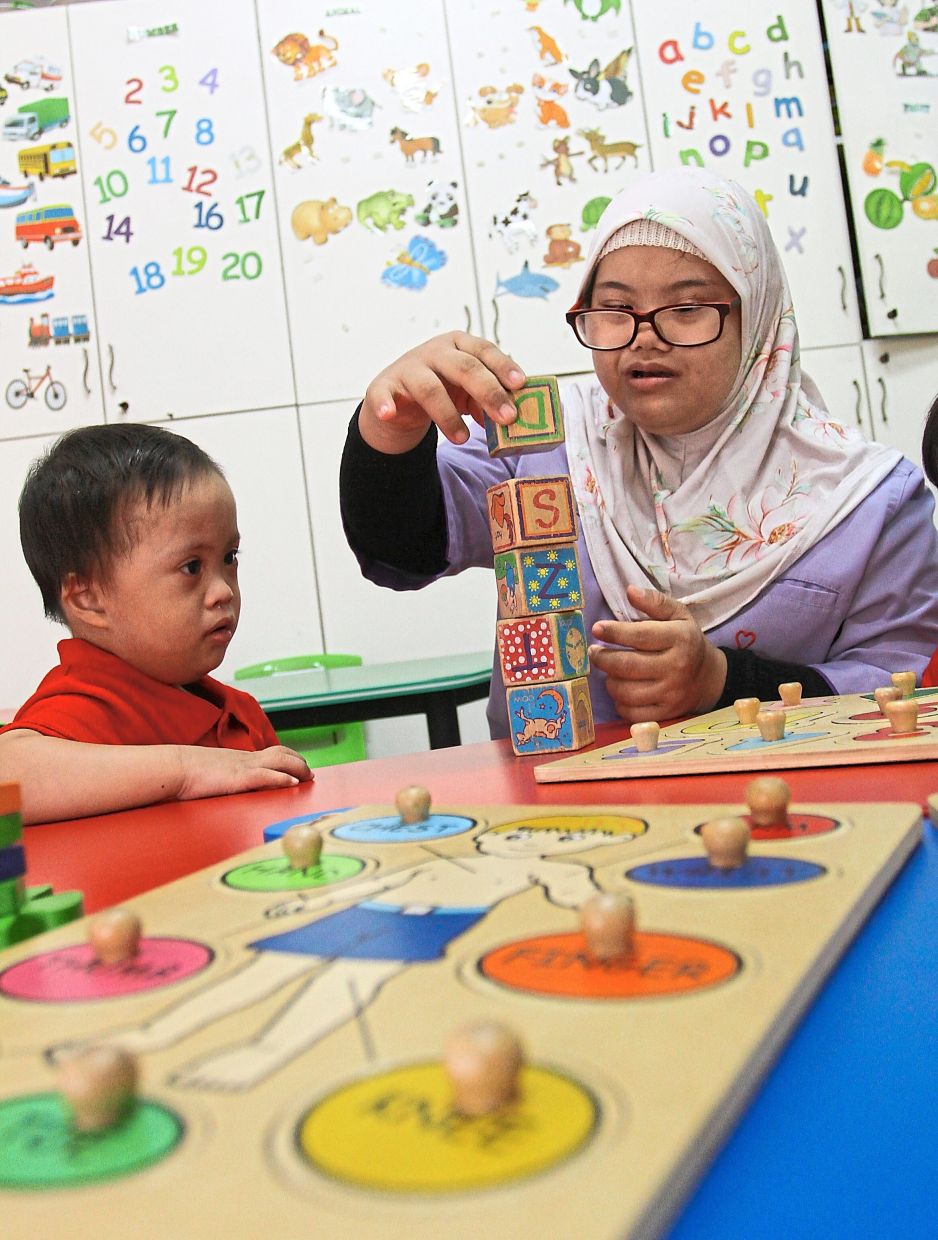
Her youngest daughter Wan Alya Wan Hanizan, 30, has DS. Since 2016, Wan Alya is employed as a teaching assistant at a Pemulihan Dalam Komuniti Sindrom Down in Putrajaya, Selangor.
Young adults who join vocational programmes are encouraged to demonstrate independence, such as carrying out simple tasks, communicating with peers and being punctual in attending classes.
"Through vocational training, they can gradually prepare for the workplace," Hanizan explains.
"Individuals with DS may require a longer period of training and closer monitoring compared to others with different learning challenges."
Rosnah Abdullah, 52, a trainer with the Kiwanis Down Syndrome Foundation (KDSF) in Petaling Jaya, Selangor, agrees.
She encourages parents to enrol their children in early intervention programmes.
"An Individual Education Plan (IEP) is essential to ensure the child receives support tailored to their needs," says Rosnah, who has been with KDSF for 27 years.
With the right guidance, many individuals with DS can develop the confidence and skills they need to thrive in society, Rosnah adds.
"Parents, teachers and professionals must work together. Teamwork is crucial for the child's progress."
Positive development
There has been positive growth in employment among persons with disabilities (PWDs) in Malaysia. According to the Department of Statistics Malaysia (DOSM), there were 4,209 civil servants with disabilities in 2024, a 7.9% increase from 3,901 in 2023.
Many private sector companies also provide employment opportunities. Traders Hotel in Kuala Lumpur, for instance, has long employed people with DS in its housekeeping department, while fast food chains such as McDonald's and KFC offer roles in food preparation, table clearing and cleaning.
Hanizan is pleased that perceptions of DS individuals' capabilities are changing.
"Previously, many employers believed people with Down Syndrome had very limited abilities. Now, more parents are confident approaching companies to give their children opportunities."
Some businesses offer part-time or half-day roles to young adults with DS.
In many cases, parents or support staff act as job coaches to monitor progress and provide guidance. Such opportunities not only give individuals work experience but also help them engage with the community and expand their social network.
Hanizan emphasises that success often depends on a strong foundation built through early intervention and continuous training.
"If children go through early intervention programmes, special education classes and ongoing skills training after leaving school, they can develop many abilities," she says.
PDSM has been working with government agencies and employers to advocate for more training placements and workplace opportunities for young adults with DS.
Developing skills and confidence
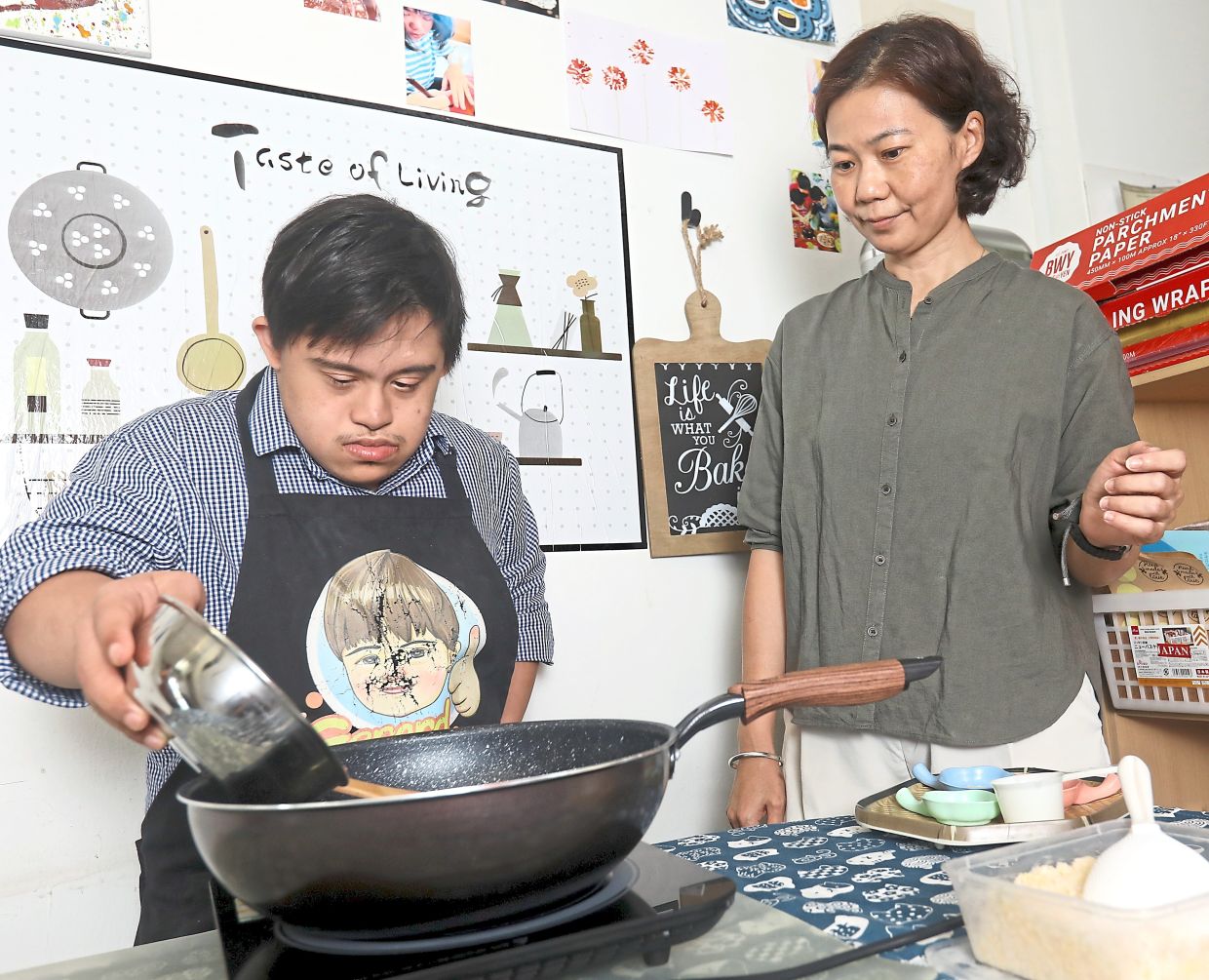
Vocational training helps Gerard Nicholas, a young adult with Down Syndrome, improve his skills. Photos: The Star/Azlina Abdullah
Wan Alya works as an assistant carer at a preschool for children with Down Syndrome. Photo: Filepic
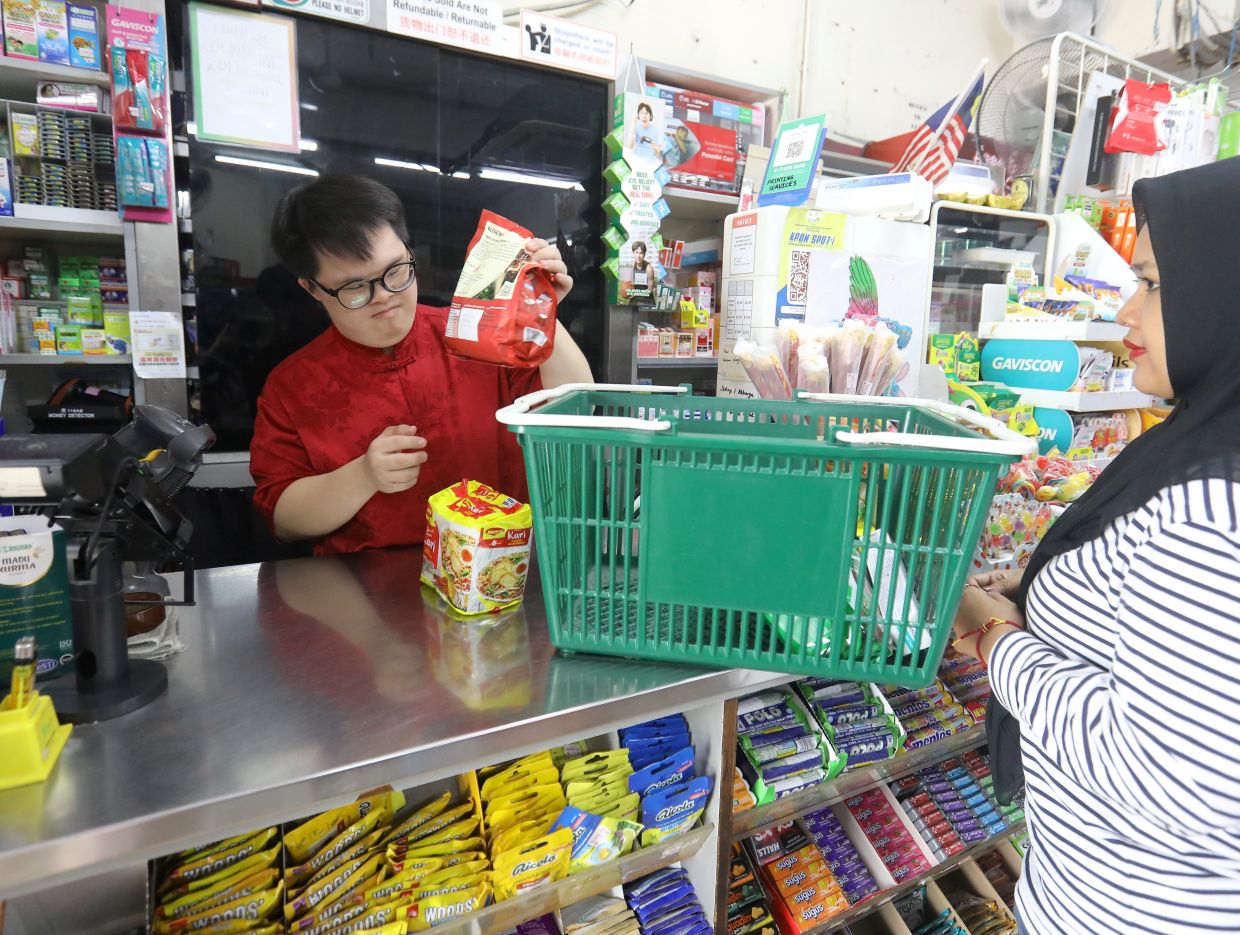
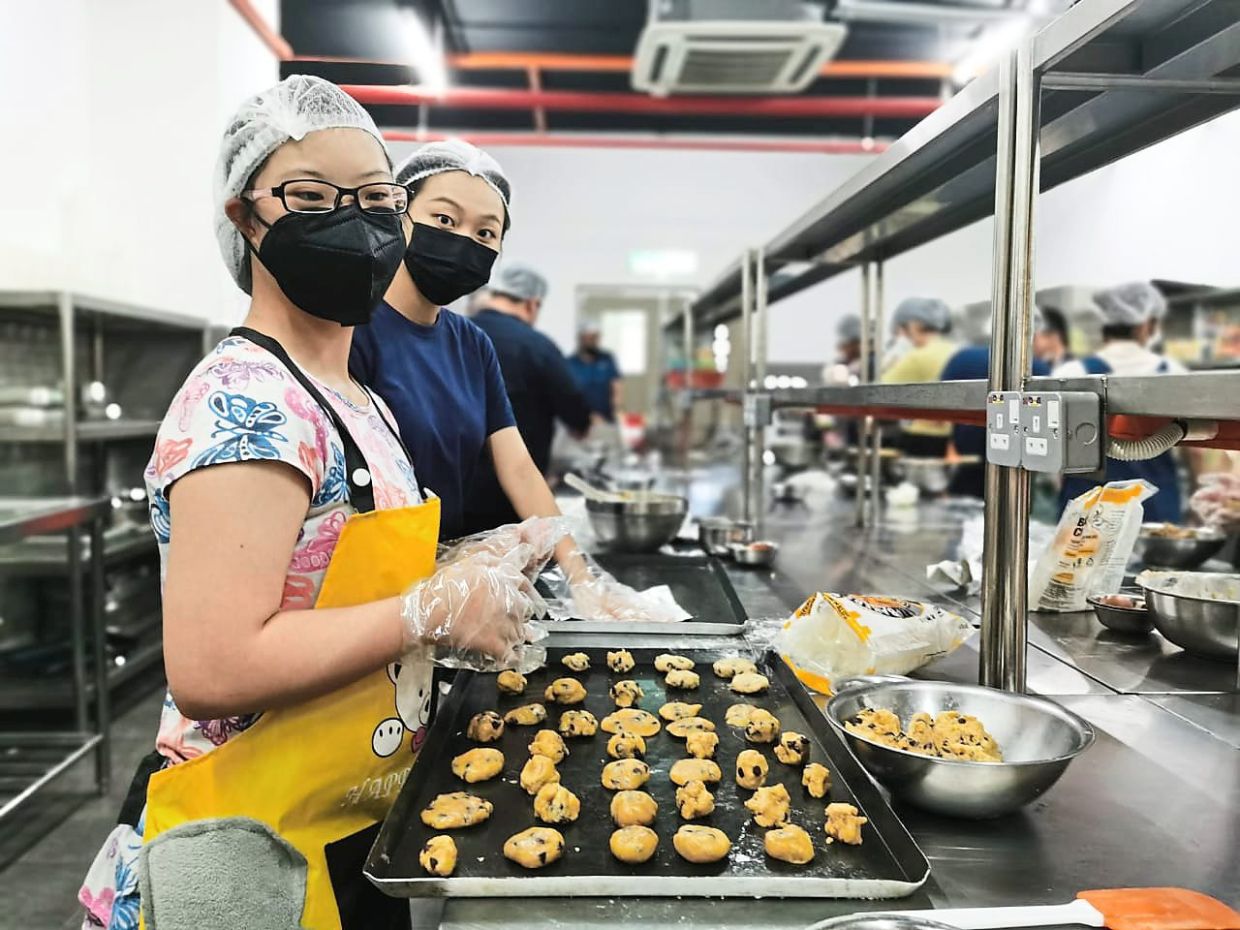
Vocational training skills matter for individuals with Down Syndrome because they can help them be more independent. Photo: Segi University
With proper training and support, people with Down syndrome can develop the confidence, independence and skills needed to work.