
Bird flu is spreading across North America and Europe, and some pet owners are growing concerned as they hear reports that millions of chickens, ducks, geese and turkeys have been culled worldwide in an effort to slow the spread of the virus.
Avian influenza is highly contagious for domestic poultry and, while the public health risk for humans is low, the situation is different for some pets.
Budgies kept at home are safe from infection, but in theory any mammal can also become infected with the virus.
Free-roaming cats are particularly at risk, as they are most likely to come into contact with infected birds or their droppings, especially if they are regularly near livestock holdings experiencing outbreaks.
Possible symptoms in cats
In the event of infection, cats may develop heavy discharge from the eyes and nose, as well as neurological abnormalities such as tremors, seizures or impaired coordination, says biologist Sabrina Karl of the animal welfare foundation Four Paws.
Respiratory problems such as coughing, sneezing or laboured breathing are also possible. General signs of illness are common too, such as fever, loss of appetite and lethargy.
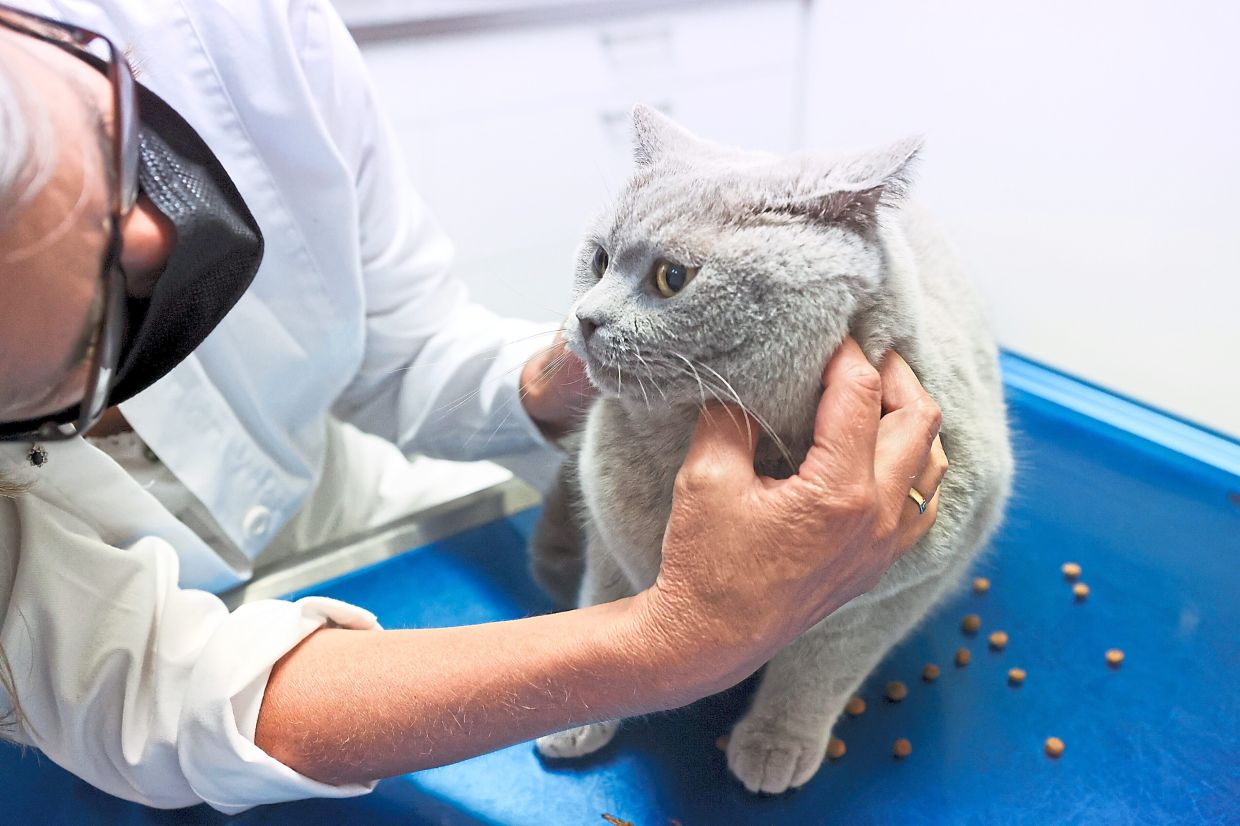
If you think there’s a risk your cat could encounter infected droppings or catch an infected bird, you may want to keep them from roaming freely in areas where infections have been reported.
If the outbreak is in your area, you may also want to keep your shoes away from your cat, just in case you’ve stepped on bird droppings carrying the infection. Karl recommends storing them out of animals’ reach and disinfecting them thoroughly.
Can dogs become ill?
“There are no typical symptoms in dogs documented so far in connection with avian influenza,” says Karl.
If unusual behavioural changes or health problems occur, owners should take them seriously and seek veterinary advice in any case.
Animal welfare experts are recommending that people in areas close to outbreaks keep their dog on a lead when walking in the countryside.
Anyone who finds a dead bird should keep their pet away, not touch the carcass and notify a local authority such as a vet. – dpa