Sit down at any German restaurant outside of the country, and chances are that the menu will feature schnitzel, sauerkraut and beer. Yet when asked what their favourite meal is, many Germans would name something else: the doner kebab.
This national favourite, originating in Turkey and adapted to fit German tastes, has since appeared abroad in cities like New York, where it's sold as Berlin-style street food.
However, not all of Germany's kebab shops stick to the classic mix of shawarma meat roasted on a giant spit, tucked into especially fluffy pita bread with fresh, shredded vegetables and a choice of three sauces: spicy, garlic or yoghurt.
In the south-western city of Karlsruhe, it's not meat revolving on the skewer, but a sea creature.
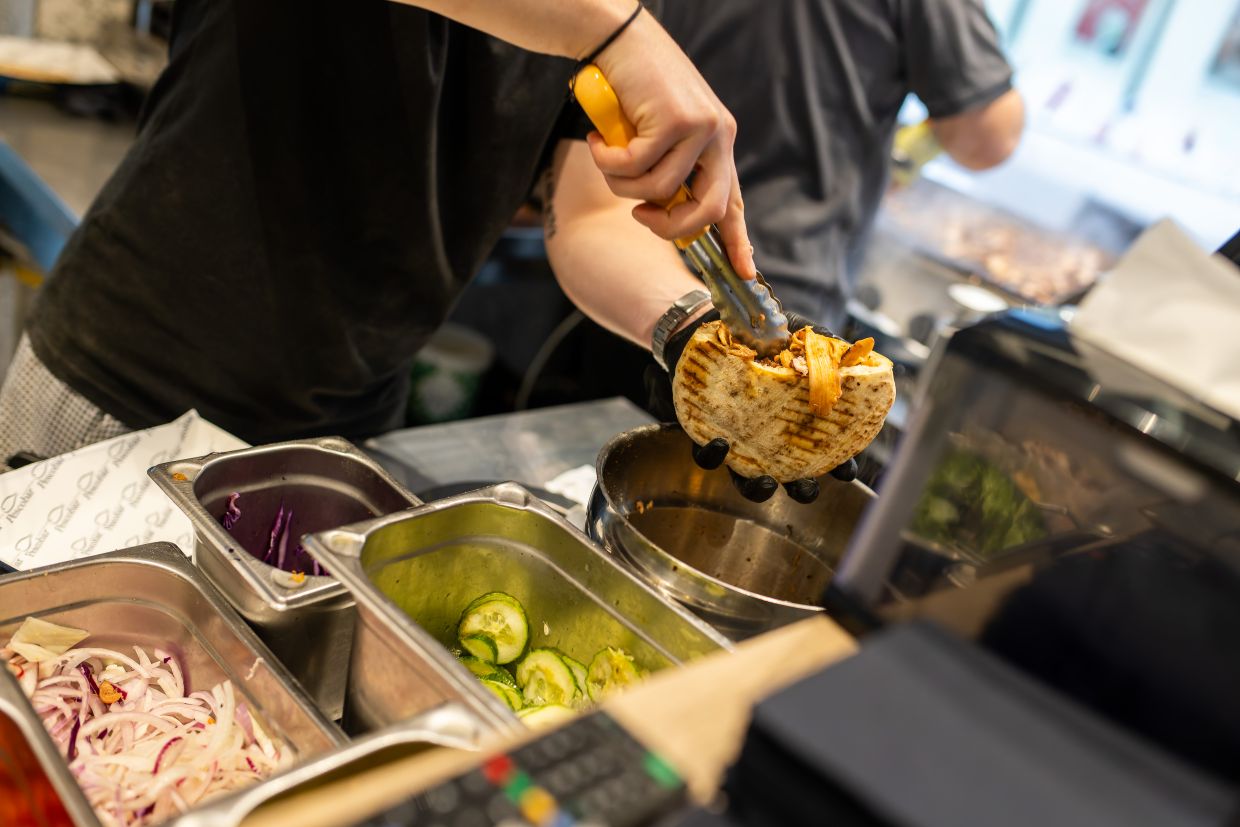
Right in the city centre, the Romanian chain Pescobar is now serving an octopus doner, complete with visible tentacles and suckers, compressed into the shape of a doner skewer.
Founder Paul Nicolau describes his creation as "fresher, healthier, and yet not completely unfamiliar." He has already established the concept in London – now he is testing the German market.
Like a traditional doner, his cephalopod creation is marinated and roasted on the skewer, then sliced off and seasoned on a grill plate.
Simply add salad, radishes, cucumbers and aioli in flatbread and it's ready: It's not so different in appearance from a traditional doner, but the taste is more reminiscent of the Mediterranean than the Bosphorus.
Criticism from animal rights activists
While the queue at the central Karlsruhe branch was long in the days following the premiere, opinions are divided online. Some rave about the seafood taste, while others point to the intelligence of octopuses – or the hefty price of €14 (US$16.20).
According to Nicolau, between 300 and 400 of the special doners are sold per branch per day. He says he imports the sea creatures from Mauritania, Morocco and Senegal.
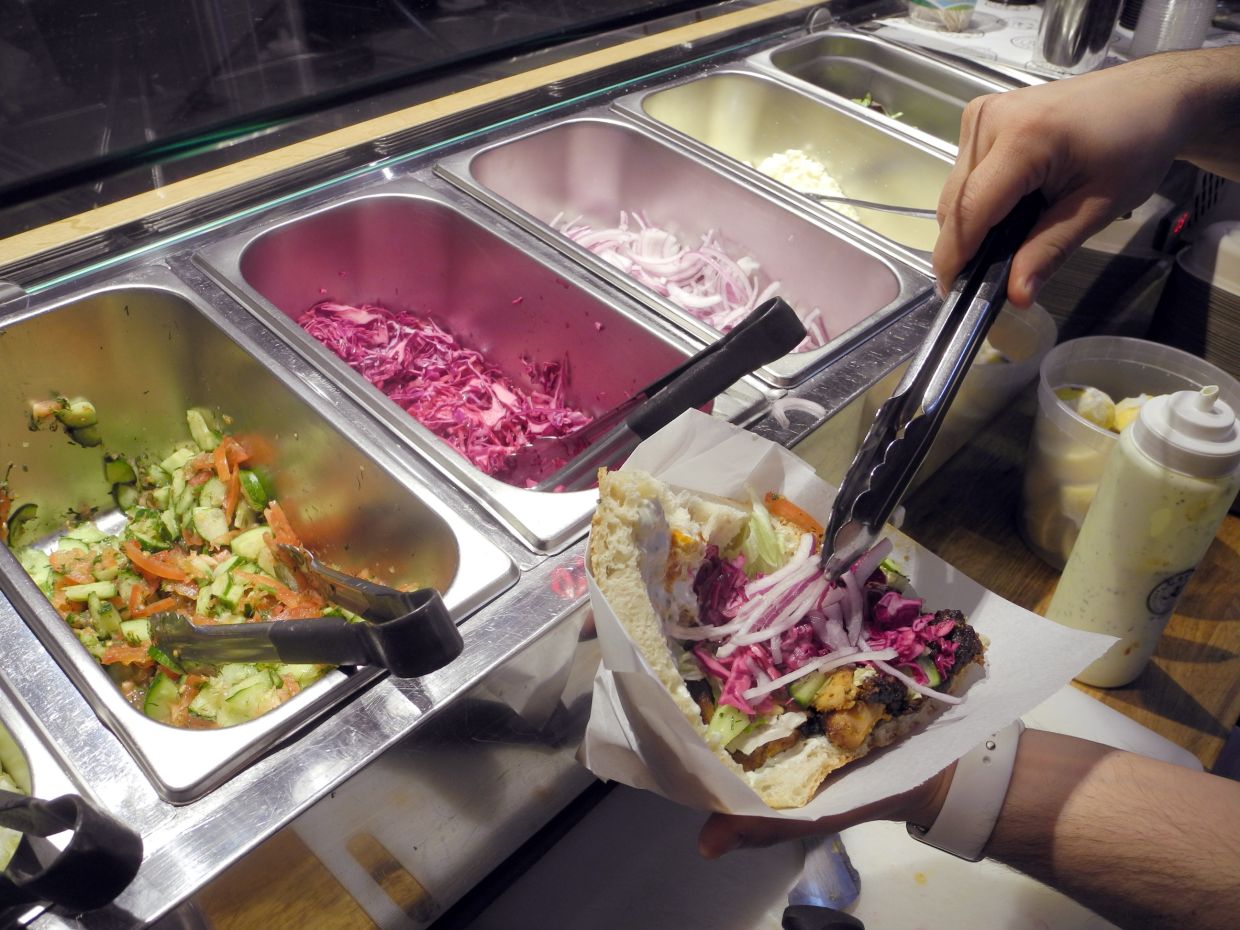
In his London branches and also in Karlsruhe, his team also sells wraps and hotdogs – with tentacles instead of sausages.
But why an octopus doner of all things? "It's a fast food that is known and loved in Germany. So, the temptation to try it is not so foreign," said Nicolau.
Not Germany's first kebab experiment
The octopus doner isn't Germany's first case of a kebab ingredient being turned into a culinary controversy. Last year at the start of asparagus season, a Berlin kebab shop began selling the Spargeldoner Beelitzer Art ("Asparagus doner, Beelitz style"), named after the Beelitz region near Berlin, famed for its asparagus crop.
It's not the only kebab shop doing so, and others in Germany have also dared experiment with white asparagus - the superior variety according to most Germans.
Order it from the menu, and you'll get an entirely different kebab: white asparagus with grilled beef, lamb's lettuce, hollandaise sauce, strawberry and ginger jam and wild garlic mayonnaise, all served up in the unfamiliar environment of crunchy doner flatbread.
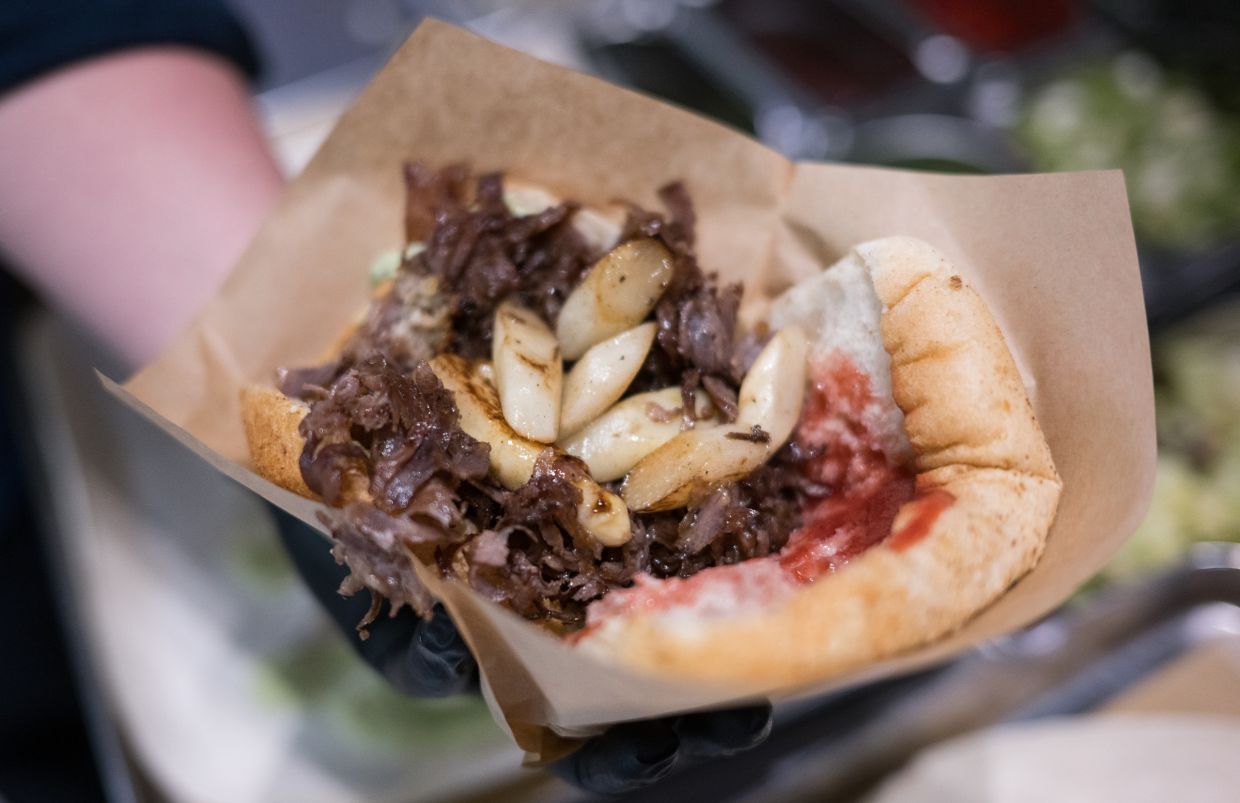
All this is a far cry from the classic doner combination of meat, salad, cabbage, onions and a garlic or herb sauce. The German-style ingredients combine to form a rather juicy result - and tackling it requires a small stack of napkins.
'Crimes against doners '
In 2023, German tabloid Bild caused a frenzy with a report on Christmas dinner-themed kebab that added the hearty German winter staple of red cabbage and stuffing, with Christmas spices, orange juice and cooked apple.
Detractors on social media have condemned inventions like these as "donerverbrechen" - crimes against doners. Others reluctantly admit that they can also taste pretty good.
Unorthodox kebabs like these are part of the reason why Turkey’s International doner Association Udofed applied to add doner kebab to the European Union’s list of “guaranteed traditional specialities.”
German hospitality associations and meat producers were alarmed and, with the support of the German government, lodged objections to the initiative.
The association withdrew its application in September after more than three years of dispute. Had the Turkish association succeeded, doner skewers across the European Union would have had to be produced under strict, uniform rules.
For now, however, doner makers are free to continue their experimentation with octopus, asparagus, Christmas spices and whatever else they come up with.