What is flight turbulence and why does it happen?


By AGENCY
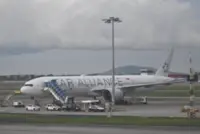
Passenger airplane taking off at sunset. Airplane turbulence, which led to the death of a passenger on a Singapore Airlines flight on Tuesday, is a complex phenomenon that is becoming increasingly common due to climate change, according to experts.

Airplane turbulence, which led to the death of a passenger on a Singapore Airlines flight on Tuesday, is a complex phenomenon that is becoming increasingly common due to climate change, according to experts.

Storms, cold and warm fronts, and the movement of air around mountains can all cause turbulence in the air that planes fly through.

Turbulence can also occur in jet streams -- highways of strong wind that circulate around the globe at certain latitudes.

"While meteorologists have excellent tools to forecast turbulence, they are not perfect," said Thomas Guinn, professor in the aviation department at the Embry-Riddle Aeronautical University in Florida.

He added that airplane passengers should make sure they are wearing seat belts, which makes injuries far less likely.

Initial reports suggest the Singapore Airlines flight, in which more than 70 passengers were injured, may have hit clear-air turbulence, "which is the most dangerous type of turbulence," according to the Association of Flight Attendants.

Clear-air turbulence is defined by the Federal Aviation Administration as "sudden severe turbulence occurring in cloudless regions that causes violent buffeting of aircraft."

It is "especially troublesome because it is often encountered unexpectedly and frequently without visual clues to warn pilots of the hazard," the FAA says in a document on its website.

The agency says clear-air turbulence is typically found close to jet streams and associated with wind shear -- sudden changes in the speed or direction of the wind.

Turbulence continues to be a major cause of accidents and injuries despite a steady improvement in aviation accident rates, according to a 2021 report by the US National Transportation Safety Board.

But deaths linked to turbulence on commercial flights are "very rare," said Dr Paul Williams, professor of atmospheric science at the University of Reading.

"As far as I am aware there has not been a turbulence fatality on a commercial flight since 2009," Williams said in a statement shared with AFP.

Williams said that climate change is increasing the frequency of airplane turbulence.

"For clear-air turbulence, climate change is increasing the temperature difference across the jet stream between the cold poles and the warm tropics," he said.

"The tropics are warming faster than the poles at flight cruising altitudes. This effect is increasing wind shear in the jet stream, which is generating more turbulence," Williams said. – AFP

Follow us on our official WhatsApp channel for breaking news alerts and key updates!
flight turbulence

Next In Living

Contradictheory: The more queens, the better
Somaliland centre saves cheetahs from trafficking to Gulf palaces
Heart And Soul: A teacher's kindness remembered
How to prepare for a road trip with your pet dog
Proxy, shrub, sparkling tea: The new alcohol-free drinks on the menu
Artist turns experience raising her daughter with Angelman syndrome into art
Heart And Soul: The gift of early learning
This shorebird flies 30,000 km a year – can nations save it?
Designing with emotion: four creatives on crafting spaces that connect
Illegal gold mining surges into new parts of Peru’s Amazon, threatening rivers and lives

Others Also Read