
Ask the Plant Doctor! How to deal with aphids, yellow leaves and root overgrowth


Plant aphid-attracting plants like Nasturtiums and Mexican Butterfly Weed as decoys to lure aphids away from your plants. Photo: Anthony Rae/Unsplash

Do you have a question about plants or how to maintain your garden? Send your questions to the Plant Doctor!

Email your questions to lifestyle@thestar.com.my with "Plant Doctor" in the subject field. Questions may be edited for brevity and clarity.
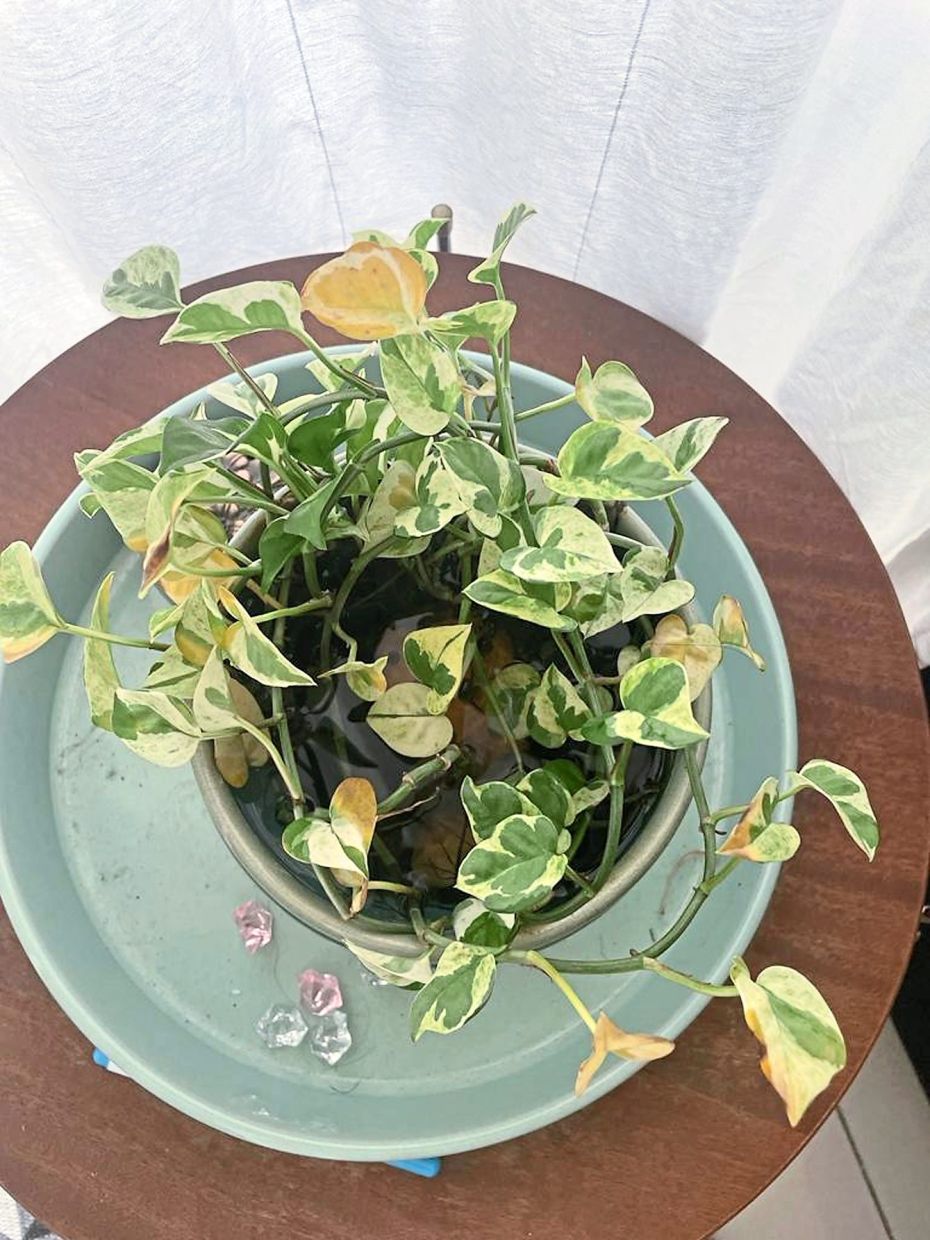

Dear Plant Doctor, I have had this bowl of money plants near a door with curtains for years now. It is planted in water, not soil. Why are the leaves suddenly turning yellow? – Avery T.

Pothos plants can flourish in water, but their roots should not be constantly submerged. Photo: Handout
Pothos plants can flourish in water, but their roots should not be constantly submerged. Remove the plant from the pot, and check for soft, mushy roots or a bad smell, which may indicate root rot. Plant overcrowding can worsen this issue.

Nutrient deficiency is another possible cause. Address this by carefully following package instructions when adding hydroponic liquid fertiliser. Avoid over-fertilising, as adding more fertilisers than needed does not guarantee boosted growth and can instead be detrimental to the plant.

Do not let the pothos sit in the same water for prolonged periods. Infrequent water changes can lead to poor water quality and increased root rot risk due to fungal infections. Replace the water every one to two weeks with filtered or distilled water.

Lastly, place the pothos near a window without direct sunlight exposure to provide bright, indirect light.

What can I do about the abundance of fresh roots in the soil where I plant my flowers and bayam? They grow very fast. How do I get rid of them? – Evelyn Tan

Start by exposing the invasive roots to determine their source. If they are coming from nearby shrubs within your property, consider removing them. However, if the shrubs are outside your property, their removal is likely not an option.

One solution is to use growing containers for your vegetables. These bins, available in various materials and sizes, can be filled with garden soil, potting mix, or other soil types, and they provide a barrier against invasive roots.

Another option is to plant vegetables in raised beds lined with barrier materials like old carpet or polyester geotextile to prevent root penetration. Replace the lining every one to two years. Do not use plastic linings as they hinder drainage.

You could also dig a trench around the raised beds, cutting away roots, then refilling the trench with soil. This method may need annual repetition, depending on the severity of the invasive roots. Alternatively, use a vertical root barrier in the trench around your raised bed.

These root barriers are made from commercial high-density polyethylene (HDPE) materials, metal roofing materials, or any other durable materials that can act as a physical barrier against roots.

I love to plant veggies but had to give up. The plants would grow well but soon after, be overwhelmed with aphids. What is the best method to control the pests while ensuring the veggies remain safe for consumption? – Lee Lin

Aphids can be controlled in various ways:

1. Use yellow sticky tapes, available online, to trap them. Hang the traps above your plants or between rows for better capture.

2. Control aphids with neem oil by mixing 10ml of pure neem oil with one litre of water and adding 10 drops of low-sodium detergent. Spray the solution onto affected leaves and plant parts. Keep in mind that the neem oil solution only lasts a few hours.

3. Purchase commercial insecticidal soaps, which are safe and effective for controlling aphids. Follow the package instructions on its application.

4. Use diatomaceous earth (DE) powder, sprinkling it onto all leaves and stem surfaces. DE controls aphids by damaging their exoskeletons, but it works best in dry conditions, so reapply after rainfall. When watering the plants, avoid wetting the applied DE powder.

5. Plant aphid-attracting plants like Nasturtiums and Mexican Butterfly Weed as decoys to lure aphids away from your plants. Later, eliminate the aphids en masse from the decoy plants.

Get 20% OFF The Star Digital Access

Monthly Plan

RM 13.90/month

RM 11.12/month

Billed as RM 11.12 for the 1st month, RM 13.90 thereafter.

Best Value

Annual Plan

RM 12.33/month

RM 9.87/month

Billed as RM 118.40 for the 1st year, RM 148 thereafter.

Follow us on our official WhatsApp channel for breaking news alerts and key updates!

Next In Living

Security education should start early, especially for girls, say experts
Sunny Side Up: None of us can be blank slates
De-extinction company hatches live chicks from an artificial eggshell
Food vendors across Asia struggle over rising costs of plastic
Solar-powered charging station in central Cuba brings life to a darkened island
'Wiped out': Ukraine's bird lovers long for peaceful skies
Are rapeseed oils safe? Scientists and nutritionists say they are
Large-scale restoration effort of California's giant sequoias launched
Contradictheory: When science goes to the cats and dogs
Sucker fish are hiding in manta rays' rear ends, new study reveals

Others Also Read