Tips for starting your own permaculture vegetable garden


By AGENCY
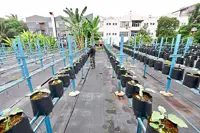
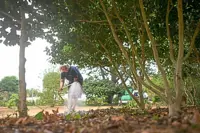
A long weekend is a great time to start one's vegetable garden. Photo: AFP

Calling all gardening lovers who want to get into permaculture but who don't really know the best way to. We have some advice for beginners. Whether you're in the city with a soil-less garden, or in the country with several square meters to cultivate, these tips are for anyone looking to give their vegetable plot a permaculture approach.

Study the subject before planting

It is difficult to start a perma garden without doing at least a minimal amount of research. Joseph Chauffrey is the author of two books on the subject: Mon petit jardin en permaculture (My small permaculture garden) and J'optimise l'espace au potager (How I optimise space in a vegetable garden), published by Terre Vivante. In his first book, the permaculturist lays out the basics to know to get started, inspired by the techniques of Parisian market gardeners of the early 19th century and his own experience.

Find your plot

If you have a large garden, you're one of the lucky ones. For everyone else, there are a few other solutions. You live in a small apartment? A window box or an indoor planter can do the trick. Okay, you won't be aiming to produce all your own food within two months, but it's a good start.

Check out your positioning

Ok, so you have your plot. The first thing to do now is look at your compass. Is your garden facing south? Your balcony north-northeast? Every plant deserves its sunshine, as long as it is suited to it. You won't grow tomatoes in the shade or lettuce in full sunshine. Keep that in mind.

Think about composting

Even the smallest apartments can afford to compost. If you live in a small space, consider vermicomposting. This substrate is the basis of your plantings. It is its richness that will enable you to avoid using fertiliser, which is used in single-crop farming that dries out the soil.

Put vegetable scraps back into the cycle

Permaculture is above all a state of mind. So we can stop throwing away our leek ends (with the small roots) and instead replant them.

Get vertical

To save on space and maximise a harvest, many vegetables are well suited to climbing wire or gridwork, such as beans, tomatoes, cucumbers and even squash.

Introduce the plants to one another

This is one of the cornerstones of permaculture: the union of plants and fruits or vegetables that protect each other, in addition to providing nutrients. This is the case of the tomato/basil combo, which keeps mosquitoes away, or onion/carrot to keep flies away. As a bonus, these combinations also work well on the plate. – AFP Relaxnews

Get 20% OFF The Star Digital Access

Monthly Plan

RM 13.90/month

RM 11.12/month

Billed as RM 11.12 for the 1st month, RM 13.90 thereafter.

Best Value

Annual Plan

RM 12.33/month

RM 9.87/month

Billed as RM 118.40 for the 1st year, RM 148 thereafter.

Follow us on our official WhatsApp channel for breaking news alerts and key updates!
gardening , farming

Next In Living

'Wiped out': Ukraine's bird lovers long for peaceful skies
Are rapeseed oils safe? Scientists and nutritionists say they are
Large-scale restoration effort of California's giant sequoias launched
Contradictheory: When science goes to the cats and dogs
Sucker fish are hiding in manta rays' rear ends, new study reveals
Those World Cup tourists loving American food? They’re not all what they seem
Vast areas of coral reef could resist climate change: study
Heart And Soul: The measure of a man
'Jumping genes' in sloths may help scientists better understand human ageing
Martini time in Penang: 8 twists of the classic cocktail to try on the island

Others Also Read