Growing up in Lima, Peru, Franco Aldana recalls a fun, festive Christmas filled with a rich array of food and family members who spent all day feasting and indulging in the merriment of the day.
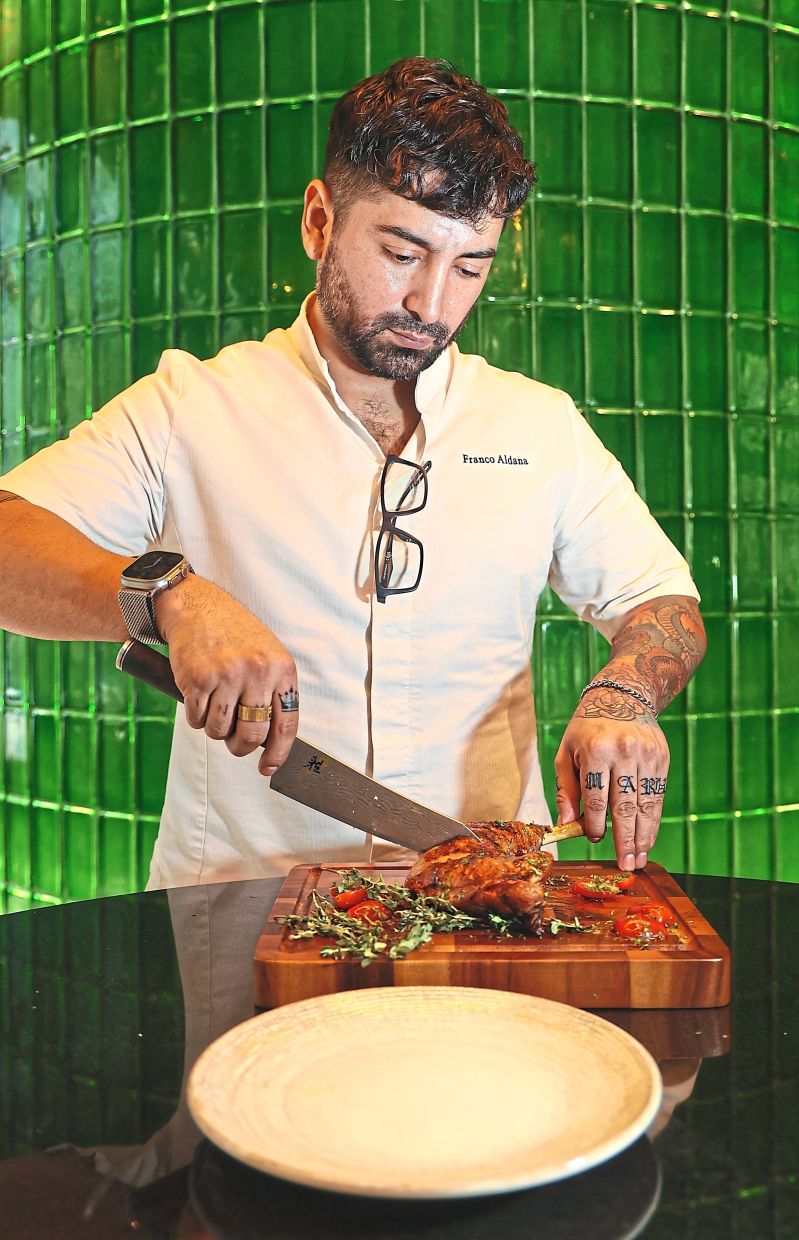
“When our families used to get together – all the women in the family – the grandmothers, aunts, cousins and sisters would cook the food and the men in the family would buy the wine and gifts as well as decorate the Christmas tree. We all had roles to play,” says the cheerful Aldana, who helms Peruvian restaurant Feliz in Kuala Lumpur.
In Peru, Christmas is centred on Noche Buena (Christmas Eve) and most Peruvians attend mass (Misa de Gallo) and then indulge in a midnight feast when the clock strikes 12. Christmas day is often more relaxed and typically makes use of leftover meals.
So what’s on the festive table in Peru? According to Aldana, because of the sheer diversity of the Peruvian population, this multiculturalism is reflected on the plate.
“Peru is a multicultural country in terms of gastronomy. We have influences from the Arab world, Italians, Spanish, Chinese and Japanese, but particularly Christmas for all of us has a strong influence from North America and Italy. Like, for example, it’s crazy, but everyone in Peru eats panettone!” says Aldana.
In Peru, roast turkey is a must-have and Aldana says many restaurateurs and chefs order turkeys months in advance to cope with the huge demand for the fowl come Christmas time.
“When I was a chef in Peru, I would be talking to my suppliers about Christmas in May. They would say, ‘How many turkeys would you like?’ And I would order up to 50 birds at a time!” he says.
This turkey theme translates from restaurants in Peru all the way through home-cooked meals as well.
“”Even at home, we eat turkey from 24 December right up till early January. And we make so many different meals from the leftovers – turkey soup, turkey sandwich, turkey meat to take to school,” says Aldana, laughing.
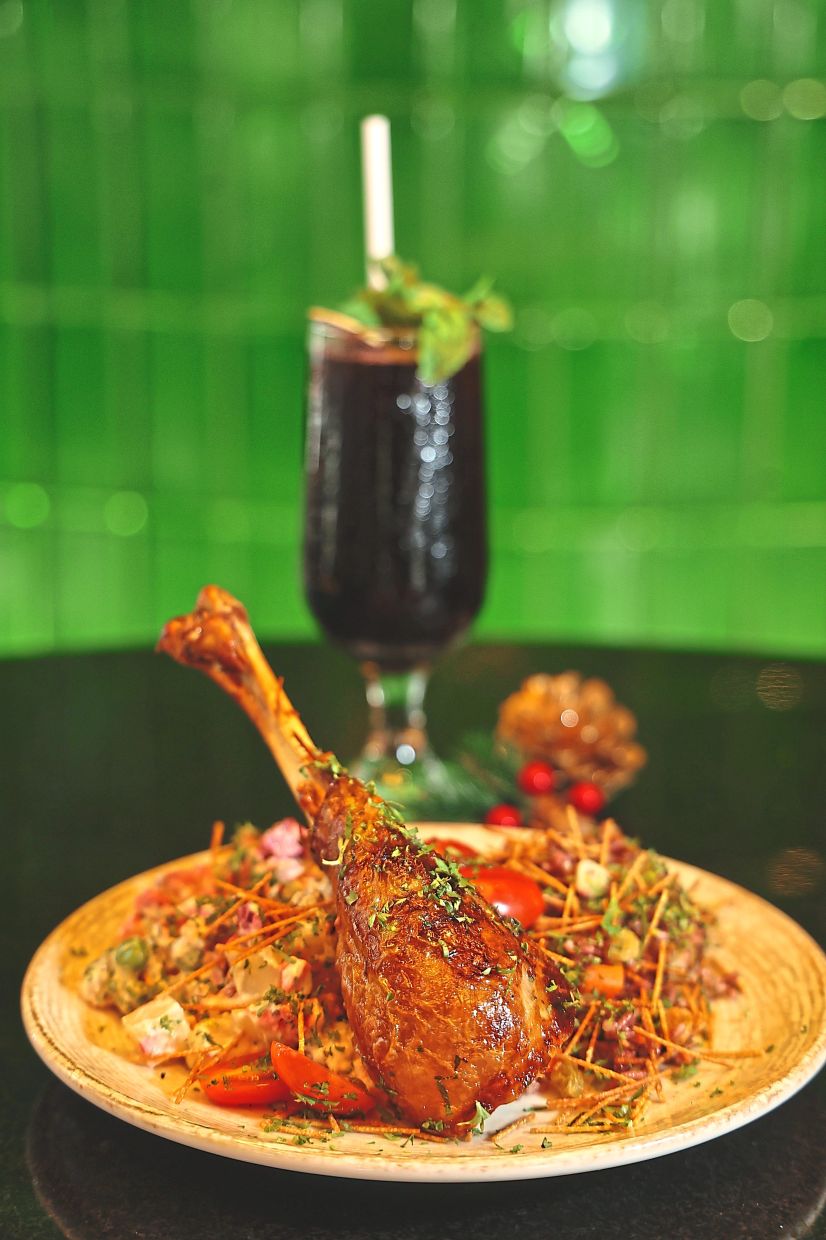
All those years of perfecting his skills means Aldana’s roast turkey is gold standard – his roasted chook boasts burnished skin and, more pertinently, flesh that is still juicy at its core.
Another must-have on Aldana’s family Christmas menu is a very simple salad, oddly called a Russian salad. Essentially filled with potatoes, carrots, green peas and beetroot, the salad is dressed in mayonnaise and makes for a cool vegetable charmer that is hugely satisfying.
“I don’t know why it’s called a Russian salad. I had an ex-girlfriend who was Russian and she said in Russia, this salad is called Olivier. But in Peru, we just call it Russian salad. It’s very simple, but it’s very popular during Christmas and most casual Peruvian restaurants will serve this as a holiday special,” says Aldana.
Then there is Arabic rice (Arroz Arabe) – another Peruvian oddity whose etymology is probably because of the influence it takes from Middle Eastern cuisine, although it has its own distinct South American twist as well.
The rice dish is cooked with Coke (yes, you read that right) instead of water and often features golden raisins as well as vegetables like carrots and peas. Unusually, the dish is finished off with an Italian twist in the form of fried capellini (a thin, delicate Italian pasta).
“As far as I know, most Peruvians celebrate Christmas with Arabic rice. And the capellini – I don’t understand why it’s there since it’s Italian – but it’s always there. I don’t know where it came from because when I worked in the Middle East in Dubai and Bahrain – this dish didn’t exist there at all,” says Aldana.
The Arabic rice is a tad sweet, but it’s a fun, riotous addition to the table that is given some textural dimension, courtesy of the capellini which adds crunch and bite to each mouthful.
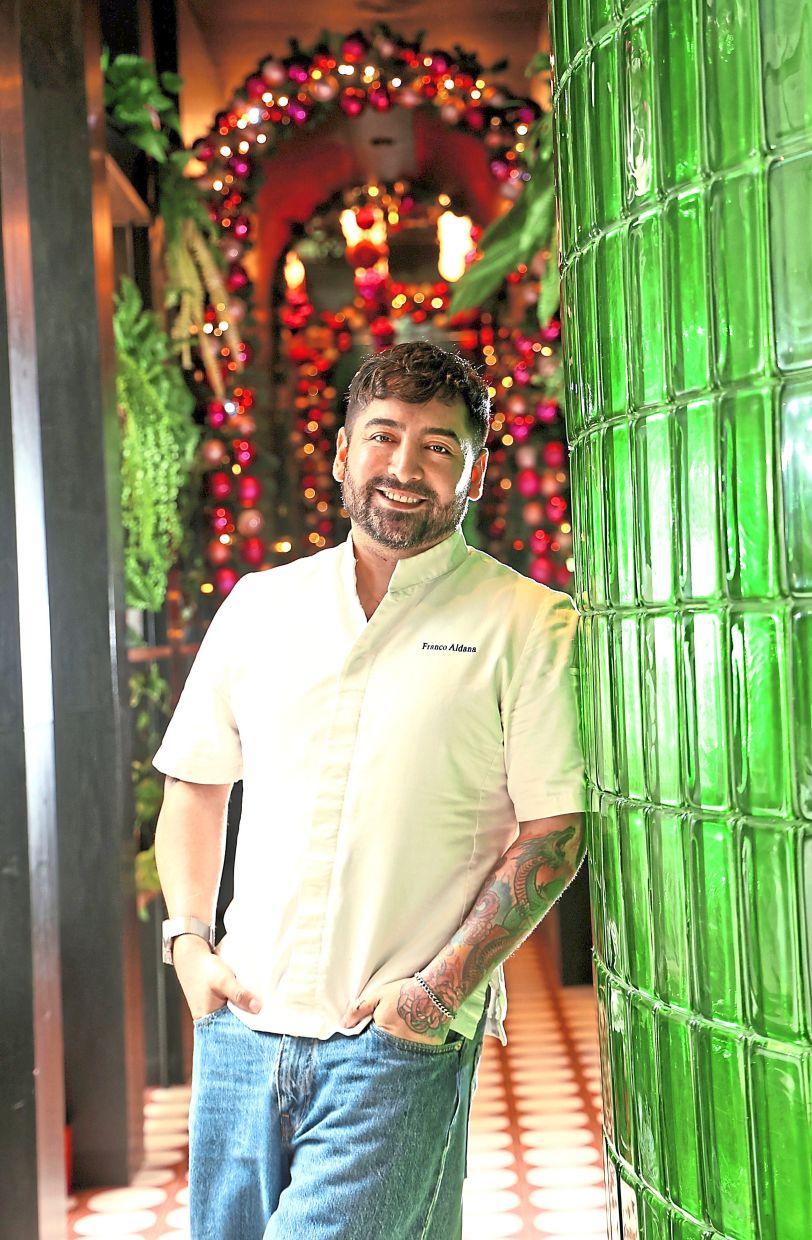
To complete the multicultural ensemble cast on the Christmas table, there is Italian panettone (although in Peru, it is spelt paneton), which Aldana says is always a festive feature in Peru.
“My mum moved to Italy when I was 10 and I travelled there a lot to visit her, so I know quite a bit about Italian cuisine.
“So it’s really funny to me how popular Italian panettone is in Peru. There are many kinds of panettone, but in Peru, there is only one kind with dried fruits inside,” says Aldana.
Every Christmas Eve, Aldana says his family typically fills their plates up buffet-style and in the past, his grandmother would cut up the turkey and serve a few slices to each family member. Once their plates were filled with turkey, they would then load up on a little bit of everything else. It’s a memory that has lingered to this day and one that he continues to remember fondly.
To cap the meal, Aldana’s family also serves a drink called Chicha Morada, a non-alcoholic beverage made by simmering dark purple corn with spices.
“My grandmama doesn’t drink alcohol, so we would serve this for her, and the little kids, and the rest of us would have champagne or prosecco to celebrate Christmas and usher in a night of feasting,” he says, grinning.
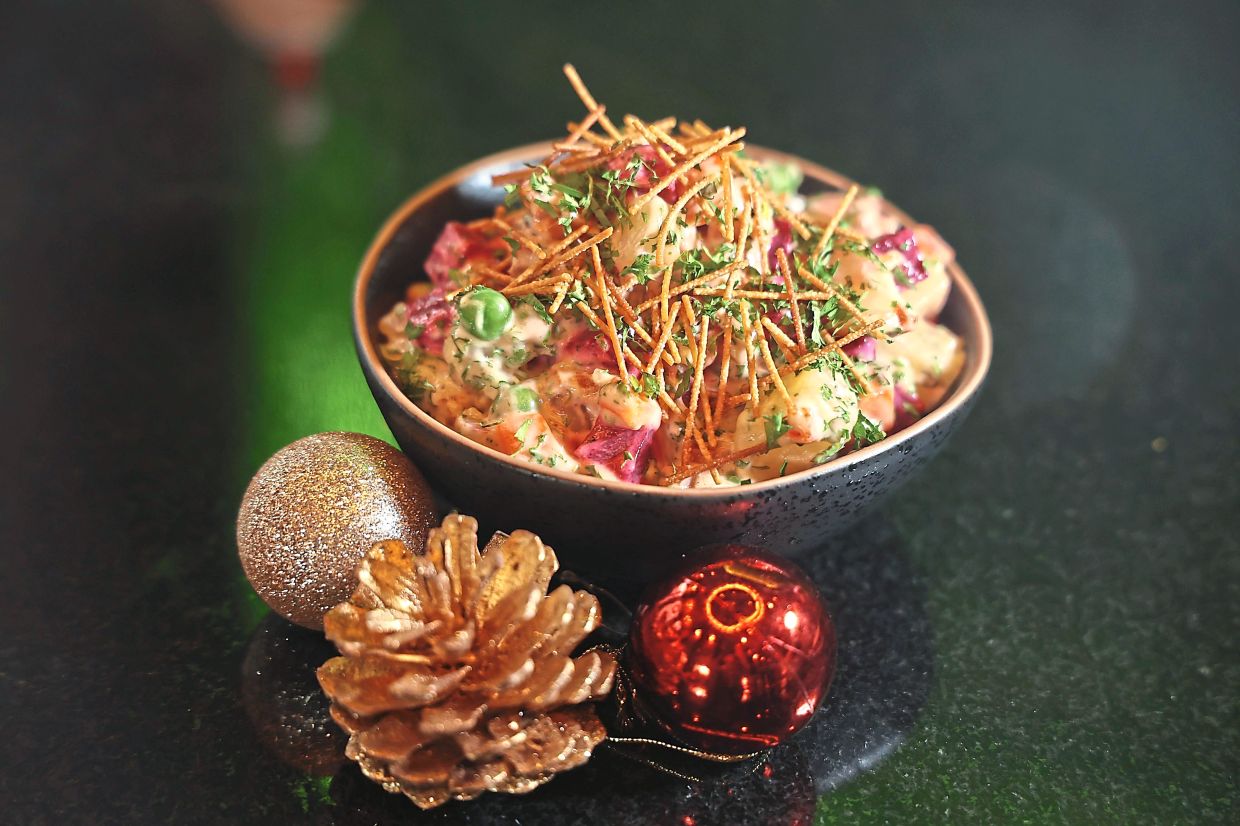
- 3 medium potatoes
- 2 carrots
- 1 cup green peas
- 2 hard-boiled eggs
- ¾ cup mayonnaise
- Salt and black pepper
To make
Peel and cube potatoes and carrots.
Boil in salted water until tender. Drain and cool.
Chop eggs into small pieces.
Mix all ingredients with mayonnaise.
Chill before serving.
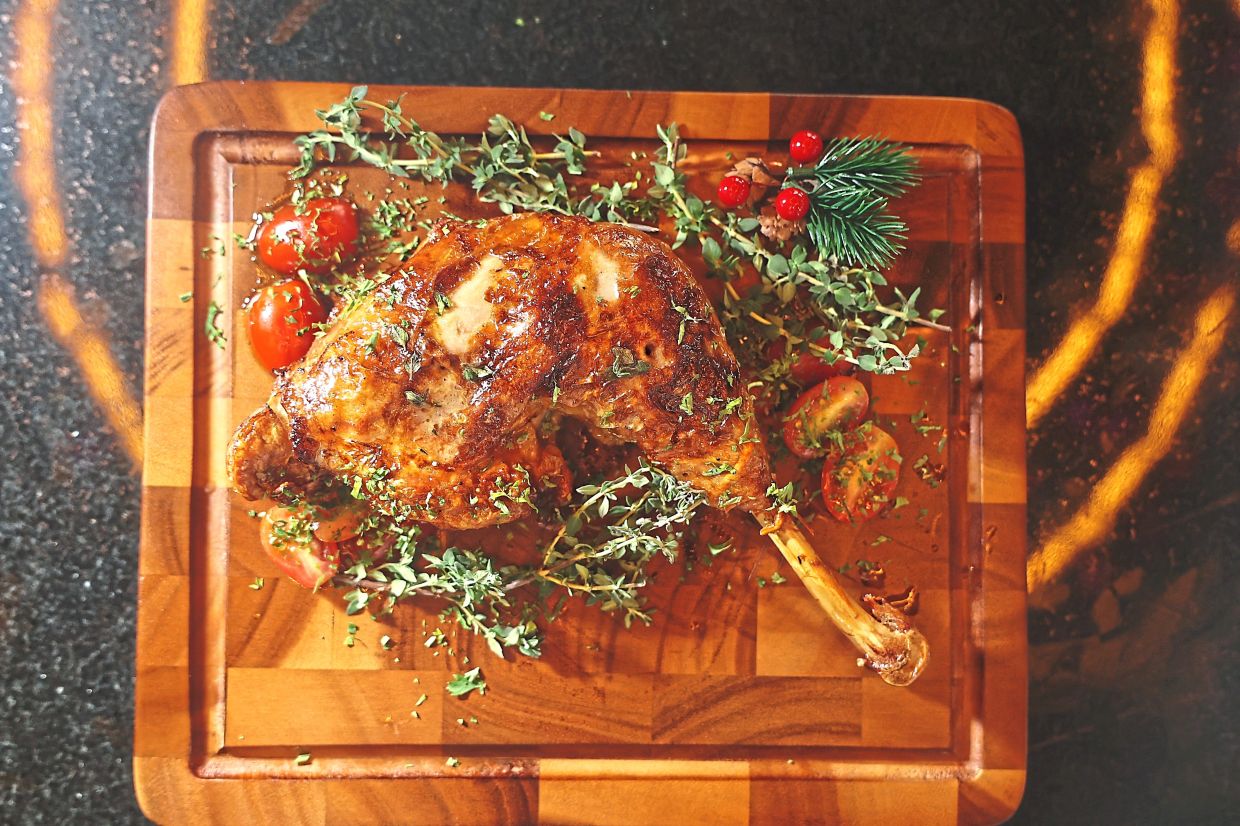
- 2 turkey legs
- For seasoning turkey
- 3 tbsp olive oil or butter
- 3 garlic cloves, minced
- 1 tsp paprika
- 1 tsp cumin
- salt and pepper
To make
Preheat oven to 180°C.
Rub turkey with seasoning ingredients.
Cover with foil and roast for 1 hour.
Uncover and roast 30 minutes more.
Rest for 5 to 10 minutes before serving.