
The taste of nostalgia matters, all the more so around the holidays. Maybe the floury mildness of sugar cookie cutouts, pasty under hard icing, is important to you. If so, enjoy!
If, however, you want a buttery, snappy shortbread with the floral sparkle of orange zest that is then glossed with a refreshingly zingy lemon glaze, bake these.
I would be lying if I said rolling and cutting out shortbread is effortless. But below, you’ll find ways to make the process less intimidating and more foolproof to turn out flawless cookies that taste like sunshine, as well as smart tips that make cutting and decorating cookies easier, no matter what recipe you use.
Fancy decorated cookies often call for fancy tools, starting with a stand mixer and ending with piping tips. But, regardless of the recipe, you can usually make some smart substitutions:
– If you don’t have a stand mixer or a hand-held electric mixer, mix the dough by hand. This shortbread may even be better that way (more on that later).
– A glass bottle can step in for a rolling pin.
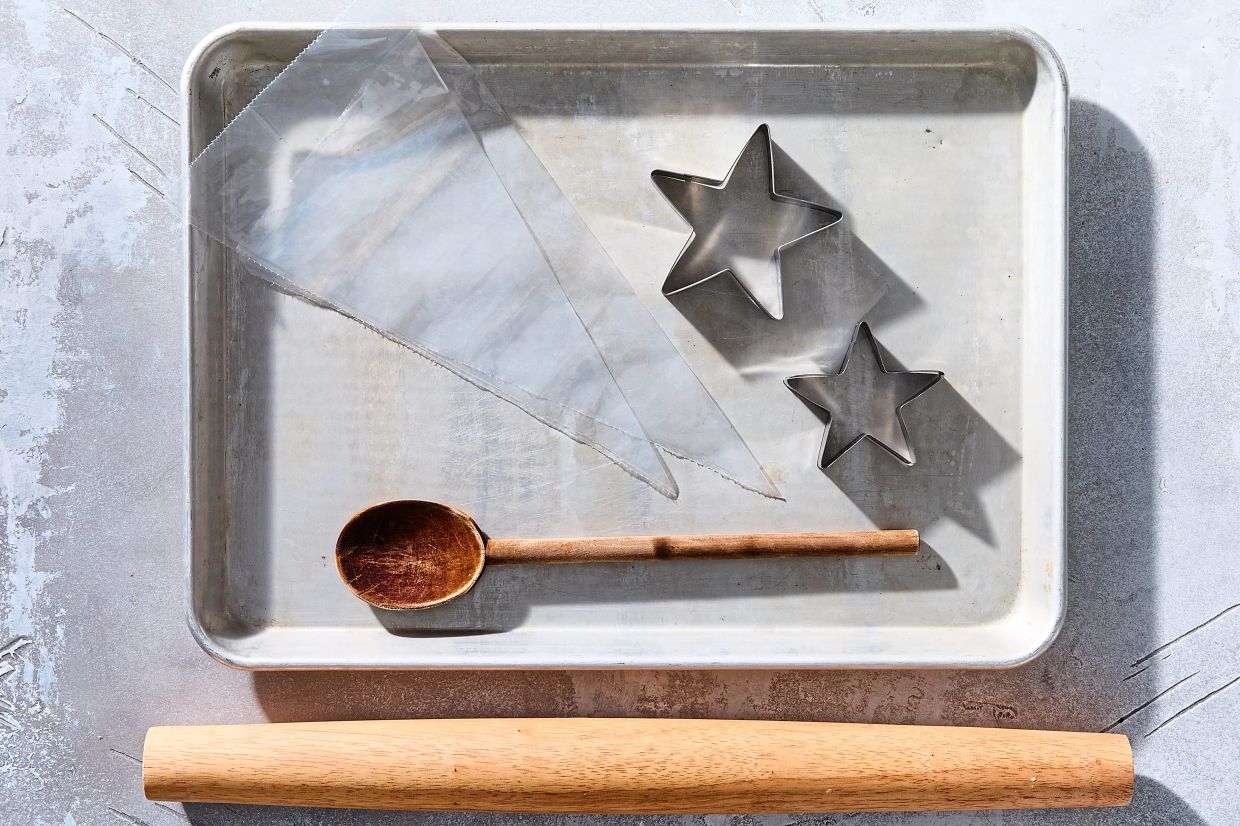
– No cookie sheet? A half-sheet pan works well. If you don’t have one, get one. You’ll use it for everything in the kitchen.
– If you don’t have cookie cutters, these shortbread cookies can be made as slice-and-bake rounds, squares or rectangles.
– Resealable plastic bags are great substitutes for piping bags. Either way, you don’t need piping tips to decorate.
When it comes to cutting out festive stars and stockings, sugar cookie dough has long been the favourite, but shortbread is far more delicious. Understanding these cookies’ three primary ingredients can help you choose which one to bake.
The difference is a matter of proportion: Sugar cookies have a higher ratio of flour and sugar, which makes them sturdier and more like clay for rolling and cutting. But it comes at the cost of flavour. Shortbread highlights the milky allure of butter in its not-too-sweet dough. To end up with ideal shortbread tastes and textures, follow these tips:
Butter:
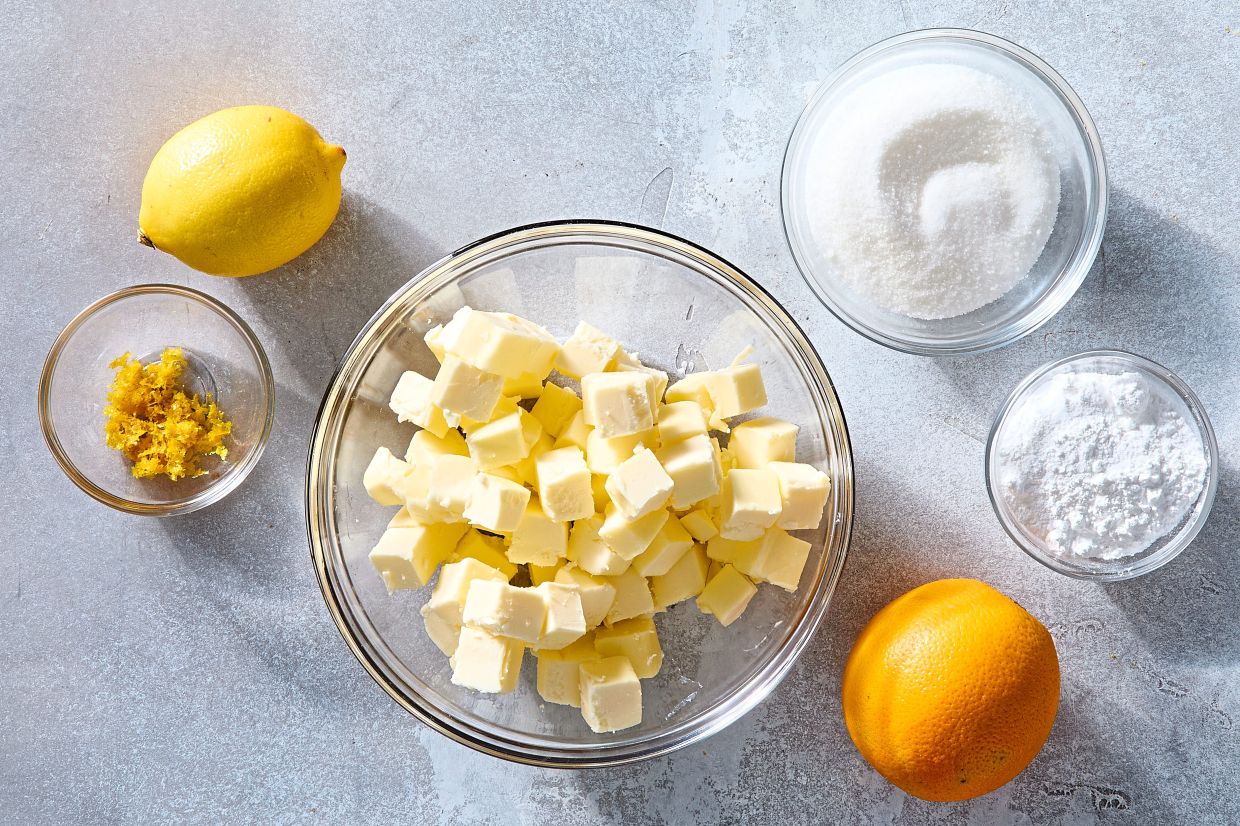
For these tender-crisp shortbread, make sure your butter is at cool room temperature. Cold, hard butter won’t blend easily, and over-softened butter can cause finished cookies to feel greasy, spread too thin or bubble on top.
The butter is ready when you press it and can leave a finger imprint with a little resistance. To get your butter to temperature, cut a cold stick into half-inch (1.2cm) cubes and then let sit at room temperature while you gather and measure the other ingredients.
Sugar:
Using two kinds of sugar – granulated and powdered – makes shortbread crunchy and tender.
White granulated sugar not only sweetens, it also provides a light snap because it helps create air pockets in butter when the two are beaten together, while powdered sugar lends a melt-in-your-mouth crumble.
Here, only a small proportion of powdered sugar is used because the shortbread still needs structure to hold up to decorating.
Seasoning:
At its most basic, shortbread requires only flour, butter and sugar, but seasoning lends depth to the final cookies. Salt – in butter or granules – does heavy lifting, as does vanilla.
This recipe goes one step further, giving vanilla shortbread extra zip by gently rubbing orange zest into the granulated sugar.
Be sure to grate only the outermost layer of peel to avoid any bitterness from the pith, and run the orange against the zester in short strokes to keep the bits fine.
Of course, you can use a stand mixer or electric beaters, but using a spatula or wooden spoon prevents overbeating. Too much air in the dough can cause it to puff in the oven and then collapse when cooling, and the vigour of an electric beater can make the cookies tough after the flour is added.
If you prefer the mixer, be sure to avoid high speed, and stop mixing as soon as the dough comes together.
You can’t roll shortbread dough right after mixing. It’s too sticky, so recipes typically call for patting the dough into a 1in-thick (2.5cm) disc before refrigerating for up to a few days before rolling. But chilling until the dough is hard can make it difficult to roll and easy to crack.
To avoid this, shape dough into a 0.5in-thick (1.2cm) block and chill only until it loses its stickiness but isn’t yet firm. (When you press it, you should be able to leave a fingerprint with a little resistance.) This makes it far easier to roll into a thin, even sheet. Even a wine bottle will be able to glide over it.
The neatest way to roll any dough is by placing it on floured parchment and then covering it with a dusting of flour and, if you’d like, plastic wrap or another sheet of parchment. This keeps your counter clean and guarantees the dough won’t stick to it. Simply flip the dough every once in a while and, if using, lift the top sheet of plastic or parchment off each time to keep the dough smooth. Once rolled, those thin sheets of dough need to be chilled until hard before cutting into shapes and can be covered and refrigerated for days.
Cutting the dough on that floured parchment ensures any shapes will come right off. If they don’t, they can be peeled off like stickers.
Smashing the scraps of dough into a ball and rerolling will make them tough. Instead, jigsaw the pieces together and roll gently just to smooth them out. Or bake bigger scraps as they are and enjoy them as snacks.
The beauty of shortbread is that you can bake it as you like. I prefer rolling the dough thin and letting it get quite brown at the edges and golden brown across the top for a complex caramelised toastiness and snappy crunch. If you like soft, golden cookies, roll the dough thicker and pull the shapes out of the oven earlier.
If you have the space and enough pans, cool the cookies completely on the baking sheets and then decorate on the pan. This saves you from extra dishwashing and wasting parchment.
When mixing icing, add just enough liquid (like lemon juice) to powdered sugar to make a paste. (It’s easier to stir in a few more drops of liquid to thin a smooth icing than it is to stir in more clumpy sugar to try and thicken it.)
Icing that’s thick enough to pipe clear lines and set firmly should stay opaque and run slowly off a spoon when lifted.

Tinting your icing is optional, but for the most vibrant hues, use gel paste food colouring and add a tiny dot at a time. As with mixing the icing, it’s always easier to deepen the colour than it is to lighten it.
As a general rule, it’s easiest to pipe from smaller piping bags that aren’t filled with too much icing so you can grip the bag with your whole hand. To transfer the icing into a piping bag without making a sticky mess, open the bag, slide it into a cup and fold the top of the bag over the cup’s rim. This keeps the bag upright and prevents icing from spilling onto the outside of the bag.
If not using a piping tip, snip the smallest possible opening from the piping bag and then draw a line on parchment or a cookie scrap to see if you like that thickness. Keep snipping it wider until you reach the diameter you prefer. Either way, keep the wide ends of the bags tied shut, and slide the bags into the cups tips side up when they’re not in use.
With these basic steps, rolling and cutting shortbread dough into shapes will turn out the tastiest cookies – and maybe even evolve into a new holiday tradition. – © The New York Times Company
Find the recipe for Holiday Citrus Shortcake online at www.thestar.com.my.