Urban forests springing up around the world to battle heat and pollution


By AGENCY
Hikers walking on the Gwacheon entrance of Gwanaksan Mountain in Seoul in April last year. Photo: AFP

Seoul, South Korea, has recently launched an urban forest project, hoping to lower city temperatures by up to 7°C. From Phoenix in the United States to Mumbai, India, and Paris, France, as cities try to combat pollution and improve air quality, urban forests are mushrooming.

In South Korea, Seoul residents are increasingly faced with intense summer heat. In the summer of 2018, the temperatures went up to 39.6°C during the hottest part of the day.

However, the capital's geographical location has two things going for it – it's overlooked by two mountainous massifs, Bukhansan to the north and Gwanaksan to the south.

Now, Korean authorities have decided to take advantage of the cooling properties of these relief features to try to ameliorate future heat waves.

The Seoul Metropolitan Government plans to install "wind path forests" along the rivers and roads, to create cooling air corridors that will flow into the city centre. The project will commence as soon as November, and work will continue until the end of 2021. The total cost? US$15 million (RM62mil).

Wind-generating species such as pine and maple trees will be planted along the water. Wild cherry and oak, known for their ability to purify the air and absorb and block particulate matter, will also be planted on paths linking the forested areas to the city centre.

Action plans in cities worldwide

The Seoul project is far from unique. In the United States, urban forests are being employed to help congested cities breathe. Boston has just closed a request for proposals to design its urban forest plan, while on the West Coast, Los Angeles has plans to plant 90,000 trees by 2021.

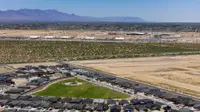
In Phoenix, Arizona, the Tree and Shade Master Plan was passed in 2010 to transform the city and provide more shade and cleaner air. Phoenix has since speeded up its efforts, planting over 4,500 trees per year to create more shade.

In Mumbai, India, authorities are trying to increase urban forest cover as fast as possible. An initiative to plant 10,000 local species of trees, with the support of DCB Bank, will use the Japanese Miyawaki technique – named for its inventor – of planting dense forests of native species, which allows the trees to grow up to a hundred times faster than usual.

Meanwhile in Paris, mayor Anne Hidalgo has announced plans for urban forests next to multiple city landmarks including the Hotel de Ville, Paris' city hall, the Opera Garnier and the Gare de Lyon. — AFP Relaxnews

Get 20% OFF The Star Digital Access

Monthly Plan

RM 13.90/month

RM 11.12/month

Billed as RM 11.12 for the 1st month, RM 13.90 thereafter.

Best Value

Annual Plan

RM 12.33/month

RM 9.87/month

Billed as RM 118.40 for the 1st year, RM 148 thereafter.

Follow us on our official WhatsApp channel for breaking news alerts and key updates!

Next In Living

From poplars to pistachios, Afghans rediscover the value of trees
Online 'misinformation' could put pets at risk, warns vet
Heal haw! Therapy donkeys help patients regain confidence and self-worth in Paris
5 famous food haunts in Hong Kong
Heart And Soul: Hit film 'Dear You' evokes an overwhelming emotional response
Lonely end for race track: 132-year-old Aqueduct runs its last race
How this Malaysian couple helps clean up hoarder homes
Why hoarding disorder deserves more understanding in Malaysia
This mental trick may help you get more exercise
China's bull wrestlers fight to keep the centuries-old tradition alive

Others Also Read