
After recognising the warning signs of a mental health problem, you have finally decided to seek help.
But then comes another common question: who should you actually see?
For many people seeking support for the first time, the choice can be confusing.
Should you see a counsellor, a clinical psychologist or a psychiatrist?
There is no hard-and-fast rule.
All three professionals work in the field of mental health, and there is often overlap in the support they provide.
However, their training, expertise and scope of practice are different.
Understanding these differences can help you make a more informed decision about where to start.
Counsellor
Registered counsellors are trained to help people manage emotional difficulties, life challenges and personal struggles.
In Malaysia, registered counsellors are regulated by the Board of Counsellors Malaysia (Lembaga Kaunselor Malaysia), which comes under the Women, Family and Community Development Ministry.
Counselling often focuses on helping people understand their thoughts and feelings, developing coping strategies, improving relationships, and navigating difficult life situations.
A counsellor may be a good starting point if you are dealing with issues such as relationship difficulties, work stress or burnout, family conflict, grief, life transitions, or personal development.
They provide a safe and confidential space to explore concerns, develop coping strategies and work towards practical solutions.
Counsellors may also help people experiencing mild anxiety or low mood, provided that these symptoms are not part of a more complex mental health condition.
Many people seek counselling without having a mental illness.
They may simply be going through a difficult period in life and benefit from professional support.
Counsellors do not prescribe medication.
If they become concerned that someone may have a mental health condition requiring further assessment or medical treatment, they can recommend referral to a clinical psychologist or a psychiatrist, or work together with these mental health professionals as part of a broader care plan.
Clinical psychologist
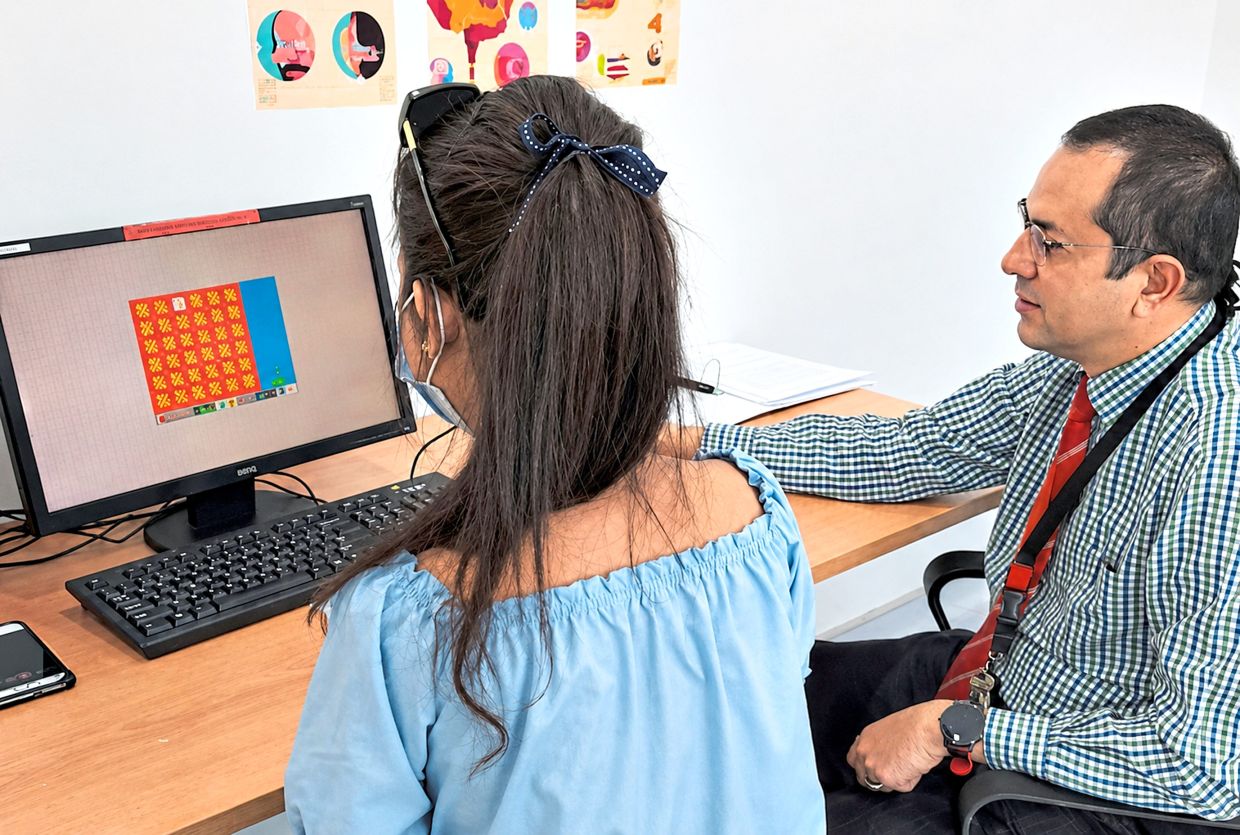
Clinical psychologists are trained in psychological assessment and evidence-based psychological therapies.
In Malaysia, they are registered under the Malaysian Allied Health Professions Council (Majlis Profesion Kesihatan Bersekutu Malaysia), which is part of the Health Ministry.
One of the key roles of a clinical psychologist is providing structured psychotherapy.
They receive extensive training in therapies such as cognitive behavioural therapy (CBT), as well as other approaches that address emotional regulation, interpersonal relationships, trauma and long-standing behavioural patterns.
Clinical psychologists are also trained in psychological testing and assessment.
These assessments can help evaluate conditions such as attention-deficit hyperactivity disorder (ADHD), intellectual disability, autism spectrum disorder and learning difficulties.
You may consider seeing a clinical psychologist if you require a formal psychological assessment, or if you are experiencing conditions such as anxiety disorders, depression, obsessive-compulsive disorder (OCD), trauma-related difficulties or other mental health conditions that may benefit from structured psychotherapy.
Psychological therapy has strong scientific evidence supporting its effectiveness for many mental health conditions.
Depending on the condition and its severity, therapy may be used on its own or together with medication.
Like counsellors, clinical psychologists do not prescribe medication.
However, they often work closely with psychiatrists when a person’s condition requires both psychotherapy and medical treatment.
Psychiatrist
Psychiatrists are medical doctors who have completed specialist training in psychiatry and are registered under the National Specialist Register.
Because psychiatrists are doctors, they are trained to assess mental health conditions from both a psychological and medical perspective.
They can diagnose mental illnesses, prescribe medication, arrange hospital care when necessary, and provide psychological support and psychotherapy, depending on their training and the needs of the patient.
Psychiatrists are also trained to consider whether physical health conditions may be contributing to psychiatric symptoms.
For example, thyroid disorders, hormonal changes, vitamin deficiencies, sleep disorders, neurological conditions or certain medications can sometimes present with symptoms that resemble anxiety, depression or other mental health conditions.
When symptoms are severe, persistent or significantly affecting daily functioning, an individual may consider seeing a psychiatrist for medical management.
This includes situations involving thoughts of self-harm or suicide, hallucinations, delusions, severe depression, bipolar disorder or when medication may be needed as part of treatment.
Sometimes, a referral may also be made to a psychiatrist if symptoms have not improved despite psychological therapy or counselling alone.
One common misconception is that seeing a psychiatrist automatically means that you will be prescribed medication.
This is not true.
A psychiatric consultation begins with a thorough assessment, and treatment recommendations depend on the individual’s condition, preferences and needs.
Medication is only one of several treatment options available.
A team effort
If you are still unsure where to begin after considering the strength of each mental health professional, visiting a general practitioner (GP), Klinik Kesihatan, Mentari clinic or any mental health professional is a reasonable first step.
They can assess your situation, rule out possible physical causes and direct you towards the most appropriate service.
Depending on your needs, you may be referred to one or more mental health professionals, as different forms of support can complement each other.
Studies have shown the benefits of a combined approach.
For example, someone experiencing depression may see a psychiatrist for assessment and medication management, while working with a clinical psychologist for psychotherapy.
Another person may work with a counsellor while navigating a difficult life transition or relationship challenge.
Counsellors, clinical psychologists and psychiatrists each bring different skills and perspectives, but they share the same goal in helping people recover and improve their quality of life.
The most important decision is not choosing the perfect professional.
It is taking the first step to seek help.
If the first person you see is not the right fit, a good mental health professional will guide you towards the support you need.
Seeking help early gives you the best opportunity to understand what is happening, receive appropriate treatment and prevent problems from becoming more severe.
In the next article of this series, we will go inside a psychiatric consultation to explore what happens during a first appointment, what questions you can expect, and why the experience is often far less intimidating than many people imagine.
Dr Lim Poh Khuen is a consultant psychiatrist. This is the second in a five-part weekly series on mental health treatment and practical guidance in Malaysia. For more information, email starhealth@thestar.com.my. The information provided is for educational and communication purposes only, and should not be considered as medical advice. The Star does not give any warranty on accuracy, completeness, functionality, usefulness or other assurances as to the content appearing in this article. The Star disclaims all responsibility for any losses, damage to property or personal injury suffered directly or indirectly from reliance on such information.