Despite advances in breast cancer treatment, many patients still choose to delay treatment due to social and cultural misconceptions.
Women prefer to turn to traditional remedies for fear of discussing the disease and the side effects of chemotherapy.
One consultant medical oncologist is on a mission to tackle deep-rooted fears surrounding the disease, and thus, encouraging early detection and proper medical care.
“Let’s face it, cancer is negative and scary; you can’t make anything beautiful out of it, so people are fearful of the unknown.
“To facilitate a behaviour change, we need to present information that is acceptable to our culture to make sure people take the necessary action,” says Dr Azura Rozila Ahmad.
Although the government offers plenty of free breast cancer screening programmes, the uptake has been extremely poor.
She adds: “Screening is to pick up slow-growing tumours as early detection has the best cure rate, but if the cancer has grown closer to the skin, we can physically see skin changes.
“It bleeds or bulges out, affects the nipples, or oozes fluid and smells.”
Fear and denial
The reasons for not getting screened are manifold: Urban patients say mammograms are very uncomfortable, they’re busy with their careers, have no time for screening or health is not a priority.
In rural areas, the reason is often due to a lack of awareness about the disease, not knowing where to seek treatment and/or logistical problems.
ALSO READ: Survey: General public ignorant about breast cancer symptoms
The most common symptom is a lump in the breast or armpit.
“Sometimes, women dismiss it saying, ‘It cannot happen to me’.
“Others think the lump will go away; some research online, but may misunderstand or misinterpret the information.
“The ones in denial will insist it’s not cancer.
“A lot of women actually know it’s cancer, but fear diagnosis.
“The older ones have a fatalistic view and don’t think treatment will help.
“They also fear going to government hospitals as they think the care is not good or the waiting list is long,” says Dr Azura.
Influenced by friends and family, some will insist on alternative treatments, or see a bomoh.
They think Western medicines are toxic and believe alternative treatments work better because they have heard biased testimonies.
Only when these treatments fail, do they see a doctor out of desperation.
Oftentimes, it may already be too late, harder to treat and cost more.
“I’ve got a patient who had a lump that grew to the size of a cauliflower across her chest and she spent an hour tending to it daily.
“Her husband watched from the side, hoping she’d take action because he couldn’t convince her to see a doctor.
“When she was no longer able to cover up after two years, she consulted me,” shares Dr Azura.
Miraculously, the patient is still alive after eight years and is currently in a clinical trial for treatment.
Dr Azura cautions patients to be wary of alternative treatments that promise a cure.
“Sometimes, educated people are too ‘smart’ to accept medical advice.
“These conventional treatments are effective as they have been researched for several decades.
“Globally, if something works well, no one is going to hide it.
“Complementary treatment is wise to reduce the side effects of conventional treatment and enhance well-being.
“It can be done concurrently, but make sure the treating doctor knows what you’re doing,” she says.
Following mum’s example
See Bee Lin, 50, was diagnosed with breast cancer in 2017 and she did what her mother, a lung cancer survivor, did – opt for alternative treatment.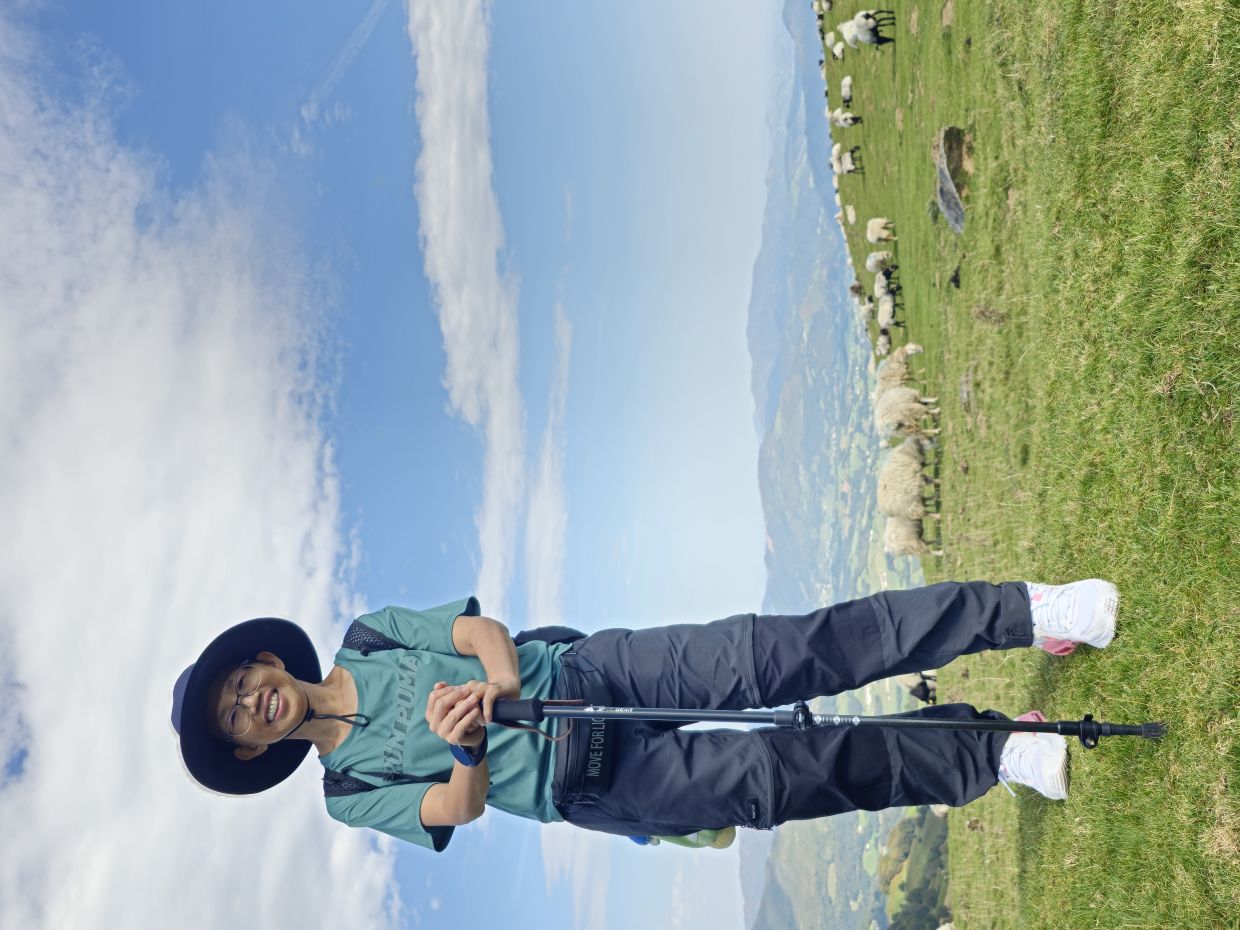
“My mother had her cancer in 2007 and when the doctor suggested chemotherapy, she said she’d rather die as she saw the neighbour suffering from terrible side effects.
“So we sought alternative therapy and it was successful.
“She has been cancer-free since, so when it came to my turn, I also followed her path and initially refused chemotherapy and radiation,” says the single mother.
However, See agreed to a unilateral mastectomy first before bidding farewell to the surgeon.
At that time, she was working in a construction company in Alor Setar, and would return home to Kuala Lumpur every weekend to see her kids, who were then aged 11 and six.
She continued commuting and working while undergoing Ayurvedic treatment, MK cell therapy injection, intravenous high dose vitamin C and ozone therapy, among others.
Four months later, she decided to get a positron emission tomography (PET) scan at a different hospital to check if her treatment methods were working.
The results showed the cancer had spread to the bone.
Left with no choice, See relented and accepted targeted treatment.
She says: “The first few years, the drugs worked very well until the cancer metastasised to my liver, lung and bone (again).
“Subsequently, I did chemotherapy by infusion before going back to targeted drugs.
“All was good until 2023 when the cancer progressed to my brain, so I had to add on radiotherapy.”
Not one to be defeated, she still travels monthly to Alor Setar as her boss retained her as advisor after she submitted her resignation.
“I work to divert attention [from the cancer] and contribute to my family.
“It’s important that they see I’m still active instead of sitting and waiting for the end,” she says.
After her radiation was completed, See decided to undertake a pilgrimage by doing the Camino de Santiago walk in Spain.
“I’ve been wanting to do it for a long time, but didn’t have the courage until my cancer metastasised and I was wheelchair-bound during treatment.
“At the same time, my dad also passed away from blood cancer, only four months after being diagnosed,” she shares.
Accompanied by her 12-year-old son who insisted on coming along to “protect his mother”, See covered 790km in 52 days.
The voyage concludes at the Santiago de Compostela Cathedral, which houses the tomb of Saint James, one of the twelve apostles of Jesus Christ.
“The journey was challenging although I didn’t push myself.
“My cancer has become a life-changer for my kids because when they witness all the things I go through, they become braver in facing challenges.
“We’ve also become more grateful for little things,” she says pensively.
On hindsight, See says that whatever treatment modalities cancer patients choose, they should have a baseline measurement guide to gauge if the method works as cancer cells are different in everyone.
“Just don’t give up,” she emphasises.
Detox therapy
Like See, operations manager Patricia Mascrinas had a similar experience in 2017.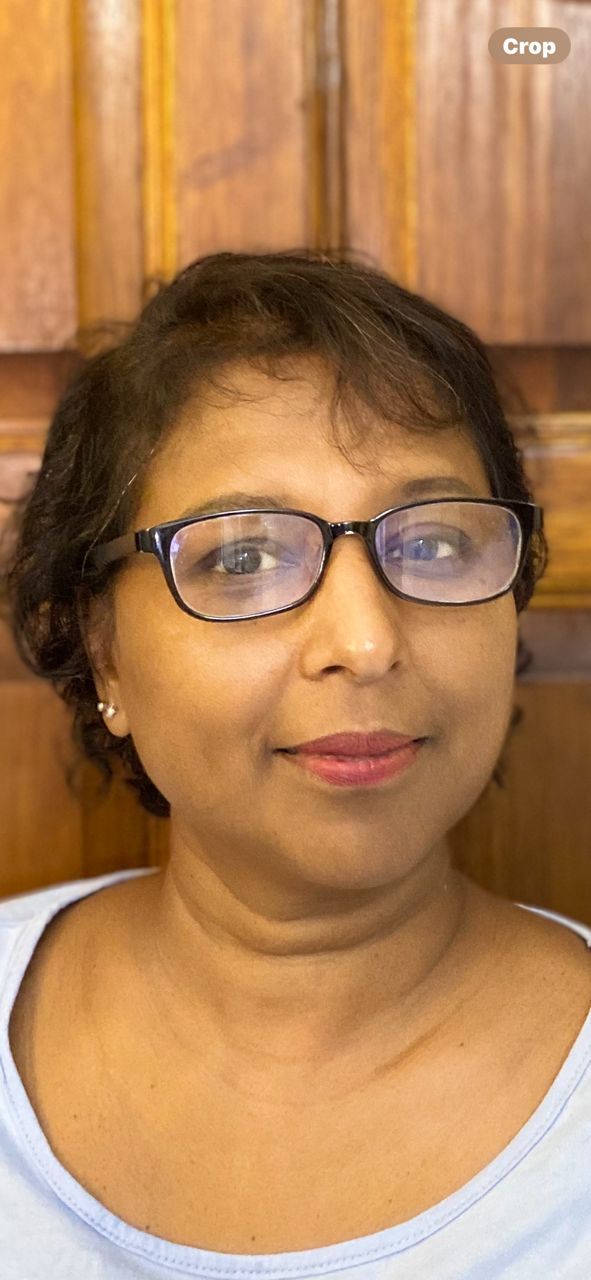
“My younger sister would bleed whenever she passed motion so I took her to hospital.
“Since I was waiting for her, I decided to do my annual mammogram there.
“The doctor called me first to say I had breast cancer, which shocked me.
“My sister was then told she had aggressive rectal cancer, which might not respond to conventional treatment.
“I kept my diagnosis to myself because my mum had just lost my dad to colon cancer and my young nephew had been diagnosed with leukaemia, so I didn’t think she could handle the news of having two daughters diagnosed with cancer on the same day,” says the 56-year-old.
She decided to take time off work, and upon a friend’s recommendation, took her sister and herself for traditional treatment in Sungai Petani, Kedah.
The treatment involved drinking fruit and vegetable juices every two hours, among other things.
She also told her siblings about her diagnosis, but not her mum.
“We were both treated for three months and while I felt great, I could feel my lump growing bigger.
“My sister wasn’t showing much improvement,” recalls Patricia.
The duo then returned to Petaling Jaya, Selangor, where the sister went for an operation, but Patricia lived with her lump for a year.
Only in 2018 did she seek a second opinion and a biopsy confirmed breast cancer.
Both sisters shaved their hair to support each other as Patricia readied herself for chemotherapy and radiotherapy.
That’s when her mother finally discovered the truth.
Patricia lost 4kg, and a year later, was given the all-clear.
But sadly, her sister passed on.
Her two children were then in their teens, and with a hubby who works abroad, Patricia had to be stoic for the family.
“Everyday, I make my children sleep beside me; I want to see them grow and graduate,” she says.
In 2022, after taking the Covid-19 booster shot, she started experiencing terrible pain in her left arm and shoulder.
After a series of tests, the oncologist confirmed that her cancer had spread to the bone and surrounding tissues.
Once again, she embarked on the rough journey via conventional treatment to beat the disease.
She’s not out of the woods yet and continues to receive targeted therapy.
She says: “My mother also makes me traditional herbal concoctions and I drink apple, celery and carrot juice in the morning.
“It’s an uphill battle but I am strong enough to fight it.
“More importantly, my soul is happy.”
Already a subscriber? Log in
Get 20% OFF The Star Digital Access
Cancel anytime. Ad-free. Unlimited access with perks.