
Cuddling a kitten could lead to severe visual impairment.
How so? one may ask.
Cat scratch disease is a bacterial infection caused by the microorganism Bartonella henselae.
According to the US Centers for Disease Control and Prevention (CDC), about 30% of cats carry B. henselae in their blood.
The worrying part is that most cats with this infection display no signs of infection.
Globally, cats are one of the two most popular terrestrial animals chosen for pet companionship.
The Petfair network reported that the ownership of cats in Malaysia in 2018 was 795,000.
This figure has most likely increased exponentially in the last few years due to the high fertility rate of these animals.
How high exactly?
Various studies have reported that domestic cats, or Felis catus in Latin, can produce, on average, four kittens twice a year.
This can result in 40 kittens over a five-year period!
Regrettably, when the population of these pets spirals out of control, not only do they risk being abandoned, but the escalating overpopulation also gives rise to a host of problems that includes diseases such as CSD.
From fleas to cats to humans
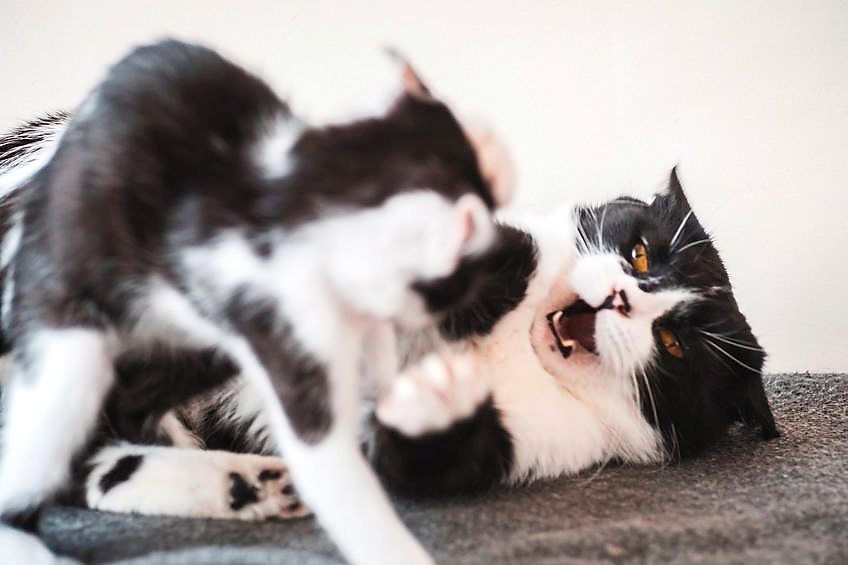
Cats and fleas are like honey and bees!
Cats get infected with B. henselae from the bites of infected fleas and flea dirt (droppings), or contact with infected blood (e.g. those involved in cat fights or have a history of blood transfusion).
When cats scratch at the fleas, it gets under their nails and teeth.
Studies have found that cat fleas, known as Ctenocephalides felis, can maintain B. henselae and excrete the microorganism in their faeces for up to nine days.
The mechanism of spread of cat scratch disease to humans lies within the name of the disease itself.
B. henselae enters the human body through breaks in the skin surface, which are typically caused by bites or scratches from an infected cat, or from infected cats licking pre-existing open wounds on humans.
Cats carry the microorganisms in their saliva.
Some have suggested that bites of infected cat fleas can also cause B. henselae human infection, although this has yet to be proven.
Even so, it is best not to take any chances with cat fleas!
Once inside the human body, B. henselae grows and replicates.
The average “bite to infection” incubation period can range from three days to three weeks.
The eye’s the target
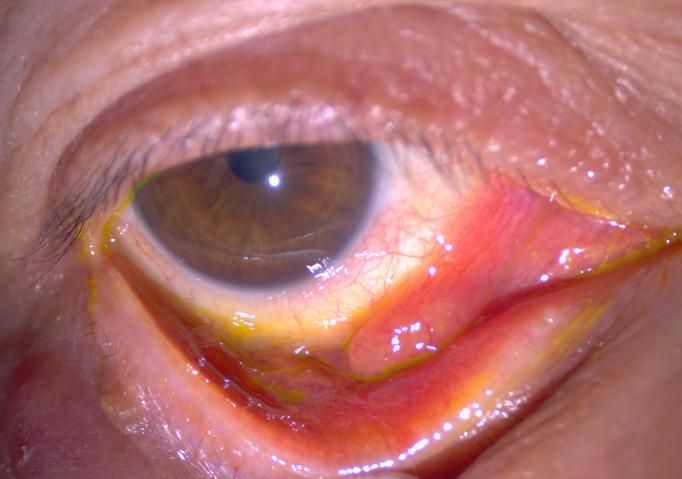
This infection primarily affects the eye, although it can also affect the rest of the body (systemic infection).
The eye involvement in cat scratch disease can be generally divided into two conditions: Parinaud’s Oculoglandular Syndrome (POGS) and neuroretinitis.
POGS, quite the tongue-twister, is a syndrome that was originally discovered in the early 19th century by the French ophthalmologist Dr Henri Parinaud.
Patients commonly experience enlarged, tender lymph nodes, especially in the head and neck region; conjunctivitis, a condition where the whitish part of the eye becomes injected; and eyelid swelling that has slow resolution.
It is also common to develop fever, malaise and muscle aches with this condition.
Neuroretinitis is a fancy term that describes the swelling of the nerve layer in the eye.
In this form, B. henselae can cause intense inflammation, affecting the optic nerve.
This may lead to irreversible damage to a patient’s vision, causing permanent blindness.
Although uncommon, systemic involvement may also occur, which can involve the heart, liver and brain.
In some unusual cases, it may lead to death.
Children, the elderly and the immunocompromised are at higher risk of getting this disease.
As bleak as this sounds, fret not.
With the advancement of modern medicine, there are treatments available.
Of course, therapy depends on many factors, including the area of infection, how advanced the disease has progressed, the patient’s age, and if systemic involvement is present.
A long course of oral antibiotics is usually prescribed, and patients are reviewed regularly until they have recovered.
Steroids are a consideration in some cases.
The patient’s outcome improves exponentially if the condition is detected early, and treatment is commenced immediately.
Practise preventive methods
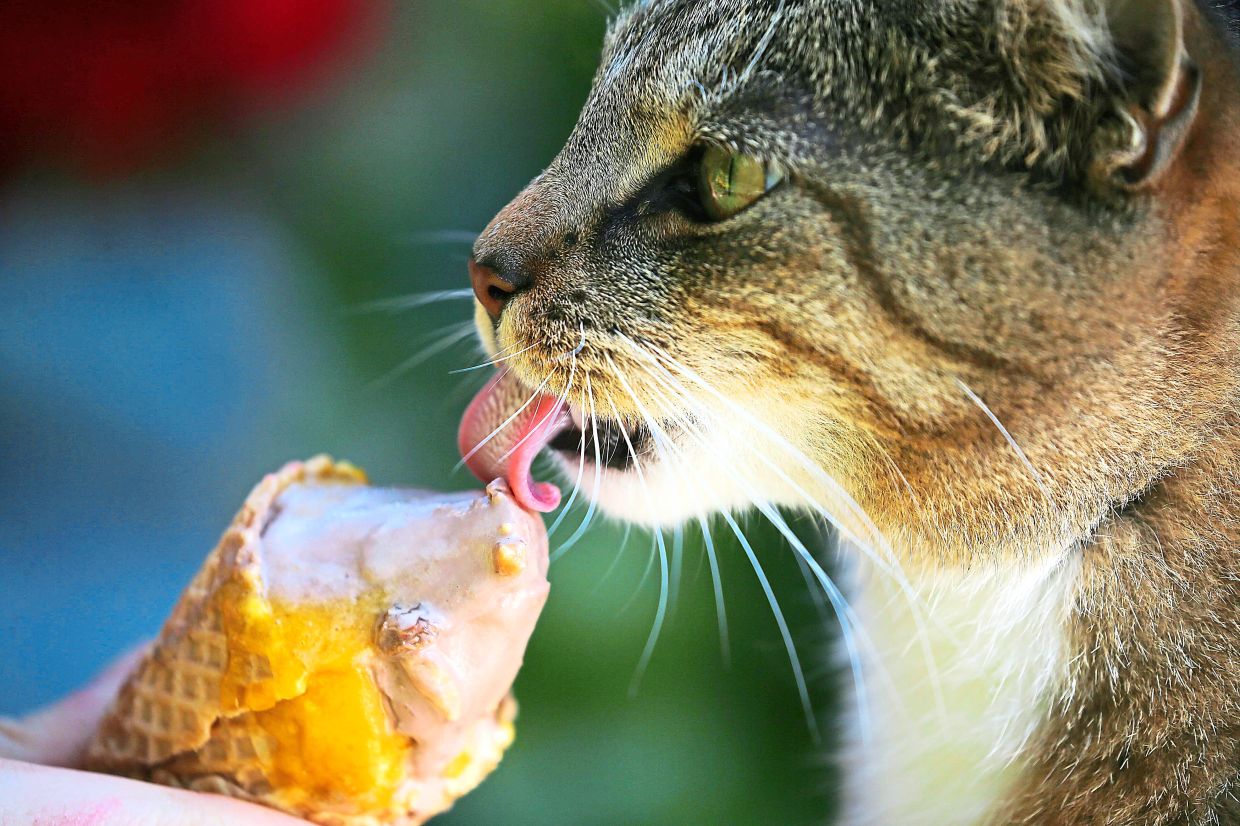
As we are aware, the bacteria is transferred to humans via cat saliva.
Therefore, practising good hand hygiene after handling pets or other cats is crucial, especially if living with children and/or the immunocompromised.
Superficial bites, cuts and scratches by cats should be washed promptly with clean water and soap.
If such wounds are deep or non-healing, please do seek medical attention immediately.
Pets provide comfort and companionship to most, but especially to the ill, elderly and vulnerable.
ALSO READ: Single and old? Then get a pet to keep off dementia
Hence, the selection of pets for such individuals should be done with the utmost care and attention.
Studies have found that kittens – particularly those less than a year old – are 15 times more likely to be infected with B. henselae.
Therefore, as adorable as kittens may be, families with susceptible individuals should consider adopting a cat older than one year of age, as this will reduce the risk of cat scratch disease transmission.
Owners should ensure the cats are adopted from pet shelters that are clean and not overpopulated to avoid flea infestation.
People should also not play rough with their pets as they may scratch and bite.
Cats should not be allowed to lick human wounds or scabs, and one should refrain from touching or petting stray cats.
Once a furry feline is part of the family, several measures can be taken.
These include:
- Trimming the cat’s nails
- Regular checking for fleas
- Monthly application of a vet-approved flea product
- Scheduling routine veterinary check-ups, and
- Keeping cats indoors to prevent contact with potentially infected cats and fleas.
Owners can also control flea infestations within the home by regular cleaning and pest control by the relevant agents.
Flea riddance ensures a healthy pet and a safe environment for everyone.
Another consideration would be the spaying and neutering of these home companions to prevent abandonment, as this further perpetuates pet and stray overpopulation.
In summary
The occurrence of cat scratch disease is influenced by the widespread ownership of cats, their prolific breeding, and resultant overpopulation.
This disease can affect both cats and humans through exposure to infected fleas, scratches or bites, with the potential for severe eye complications leading to permanent blindness.
While medical treatment is available, prevention measures include practising good hand hygiene, promptly addressing cat-inflicted injuries, opting for older cats, and practising responsible pet ownership through spaying and neutering to combat overpopulation and to promote a healthier coexistence between pets and humans.
Dr Adri Shafit is a medical officer in ophthalmology at Universiti Sultan Zainal Abidin and Dr Shankari Sothirachagan is an ophthalmologist at Universiti Putra Malaysia. For more information, email starhealth@thestar.com.my. The information provided is for educational and communication purposes only, and should not be considered as medical advice. The Star does not give any warranty on accuracy, completeness, functionality, usefulness or other assurances as to the content appearing in this article. The Star disclaims all responsibility for any losses, damage to property or personal injury suffered directly or indirectly from reliance on such information.
Already a subscriber? Log in
Get 20% OFF The Star Digital Access
Cancel anytime. Ad-free. Unlimited access with perks.