Non-drug treatments equally effective in treating depression in dementia


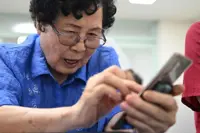
Massage and touch therapy was one of the treatments found to be more effective than drugs in relieving the symptoms of depression in dementia patients. — Filepic

Non-drug therapies, such as exercise, appear to be as, or more, effective than drugs for reducing symptoms of depression in people with dementia, suggests research published online in The BMJ.

The findings suggest that people with dementia will derive a clinically meaningful benefit from non-drug interventions, and the researchers say doctors should consider more “social” prescribing of non-drug approaches to treat symptoms of depression and loneliness.

Fifty million people worldwide have a diagnosis of dementia.

About 16% of these people also have a diagnosed major depressive disorder, and 32% will experience symptoms of depression without a formal diagnosis.

Previous clinical trials have shown that non-drug approaches, such as exercise, alleviate symptoms of depression in people with dementia, but it’s not clear how effective they are compared with drugs to reduce symptoms of depression.

To address this uncertainty, the researchers analysed the results of existing trials to compare the effectiveness of drug and non-drug interventions with usual care or any other intervention targeting symptoms of depression in people with dementia.

After screening 22,138 records, they focused on and reviewed 256 studies involving 28,483 people with dementia, with or without a diagnosed major depressive disorder.

Drug approaches alone were no more effective than usual care, but they found 10 interventions associated with a greater reduction in symptoms of depression compared with usual care.

These were:

  • Cognitive stimulation
  • Exercise
  • Reminiscence therapy (a treatment to help people with dementia remember events, people and places from their lives)
  • Cognitive stimulation with a cholinesterase inhibitor (a drug used to treat dementia)
  • Massage and touch therapy
  • Multidisciplinary care
  • Psychotherapy combined with reminiscence therapy and environmental modification
  • Occupational therapy
  • Exercise combined with social interaction and cognitive stimulation, and
  • Animal therapy.

Three interventions – massage and touch therapy, cognitive stimulation with a cholinesterase inhibitor, and cognitive stimulation combined with exercise and social interaction – were found to be more effective than some drugs.

The authors acknowledge some study limitations, such as being unable to explore severity of depression symptoms or effects on different types of dementia.

Nor did they look at the potential costs or harms of implementing drug and non-drug interventions.

However, notable strengths included the large number of articles reviewed and use of a recognised clinical scale for capturing symptoms of depression.

As such, they say in this systematic review, “non-drug approaches were associated with a meaningful reduction in symptoms of depression in people with dementia and without a diagnosis of a major depressive disorder.”

And they add that everyone – patients, caregivers, clinicians and policymakers – have a role in translating these findings into practice.

Get 20% OFF The Star Digital Access

Monthly Plan

RM 13.90/month

RM 11.12/month

Billed as RM 11.12 for the 1st month, RM 13.90 thereafter.

Best Value

Annual Plan

RM 12.33/month

RM 9.87/month

Billed as RM 118.40 for the 1st year, RM 148 thereafter.

Follow us on our official WhatsApp channel for breaking news alerts and key updates!

Next In Health

When water takes lives�
What is a head spa?
How elections can affect our emotions
Nutrition during the golden years�
When you're trapped by an earthquake
No, creatine won't make you go bald
Doctors, please treat the woman, not just her cancer
Rabies reemerges in Europe due to disruptions in wildlife vaccinations
Pack these essentials when you're working out outdoors
Faking an illness to gain sympathy

Others Also Read