While the Covid-19 pandemic has hit everyone hard, breast cancer patients – particularly those from lower income groups – were especially vulnerable during the movement control order (MCO) period.
A survey of over 200 breast cancer patients from three hospitals was conducted under the Patient Navigation Programme (PNP), a collaboration between Cancer Research Malaysia and the Ministry of Health and their community partners.
It reveals that 25% of patients were in crisis, with issues such as needing help during MCO (94%), being emotionally impacted with fear of infection or worry about their safety (87%), being impacted financially (85%), lacking access to basic needs (65%), having concerns about attending hospital appointments (46%), needing Covid-19 information and having logistics problems (43%) and feeling their families were impacted (37%).
Out of the women surveyed, 77% have a monthly household income under RM3,000, with half of these having zero income or a monthly household income under RM980.

“This is an ongoing problem that the PNP seeks to address. We help overcome barriers to diagnosis and treatment to improve the survival rate of breast cancer patients,” she adds.
A pilot project by CRM, the programme kicked off at the Hospital Tengku Ampuan Rahimah in Klang in 2017.
The aim of the landmark programme is to improve the survival rate of breast cancer patients in Malaysia – which is among the lowest in the Asia Pacific region – by helping patients overcome barriers of cost, fear or misinformation about the disease, so that they can begin treatment as soon as possible.
This is crucial because with cancer, the quicker treatment begins, the better a patient’s chance of survival.
According to Dr Teo, late diagnosis, poor access or continuity of treatment is linked to up to half the breast cancer deaths in Malaysia.
Prior to the implementation of the PNP, one in two patients would face a late stage of discovery, while one in seven patients would drop out of treatment.
Now, 90% of the patients under their care showed up for their hospital appointments during the MCO, despite being afraid of contracting Covid-19. Patients’ continuity of treatment also increased from below 85% to 95%.
Throughout the MCO, the patient navigators (nurses and social workers) have been working closely with patients, hospitals, public services and the community to increase the survival rate of the women who were undergoing their cancer treatments.
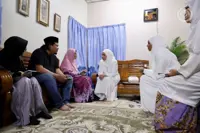
Puan R, a 46-year-old unemployed breast cancer patient, says that having a patient navigator has helped her family and her get through the MCO, not just health-wise, but also in many other ways.

The mother of two reveals that her patient navigator is easy to communicate with and understands what she is going through.
“She even gave me tips on how to talk to my children so that they would help with the finances.
“My son and daughter eventually took up sales jobs in a shopping mall and they now take care of the housing loan. My eldest son takes care of the utility bills,” she says.
Puan R’s patient navigator also arranged for an interview with the welfare department officer to waive some of her hospital bills. She also helped with her MySalam application and got it approved.
“Now, I can cope with paying for transportation to the hospital and ward admissions,” she says. “She also arranged for food baskets from the Welfare department during the MCO which was a big relief!” she adds.
By helping patients overcome the barriers of timely diagnosis and continuing treatment, half of the breast cancer deaths in Malaysia can be prevented, says Dr Teo.

“We have also collaborated with local community partners to coordinate deliveries of groceries, cash and other essential items to all the patients in need.
“The Welfare Department’s help centre and their district officers have been very helpful and attentive to our patients’ needs throughout the MCO,” she adds.
For Madam S, a 51-year-old unemployed breast cancer patient, the MCO was a turbulent time but help came in the form of her patient navigators.
“My son is the sole breadwinner. It was really hard and food was scarce because of financial problems.
“When I felt like giving up, I prayed and helped knocked on my door in the name of Kavi, Hani, (patient navigators), Ain, Norlia (nurses) and Dr Hidayati (medical officer),” she says, adding that without the groceries, food and financial help from the welfare department arranged by the PNP team, she and her family “would not have survived”.
To date, the PNP has been implemented in hospitals in four cities: Klang (Selangor), Seremban (Negri Sembilan), Kuching (Sarawak) and Kota Kinabalu (Sabah), with more in the pipeline nationwide.
Cancer Research Malaysia‘s work is supported entirely by donations and grants. For more info, visit: cancerresearch.my
Already a subscriber? Log in
Get 20% OFF The Star Digital Access
Cancel anytime. Ad-free. Unlimited access with perks.