

Anyone in need of a good cleansing cry in the last week has only had to peek at TikTok, Reddit or X.
Punch the Japanese macaque’s virality has turned the internet into one big grief support group.
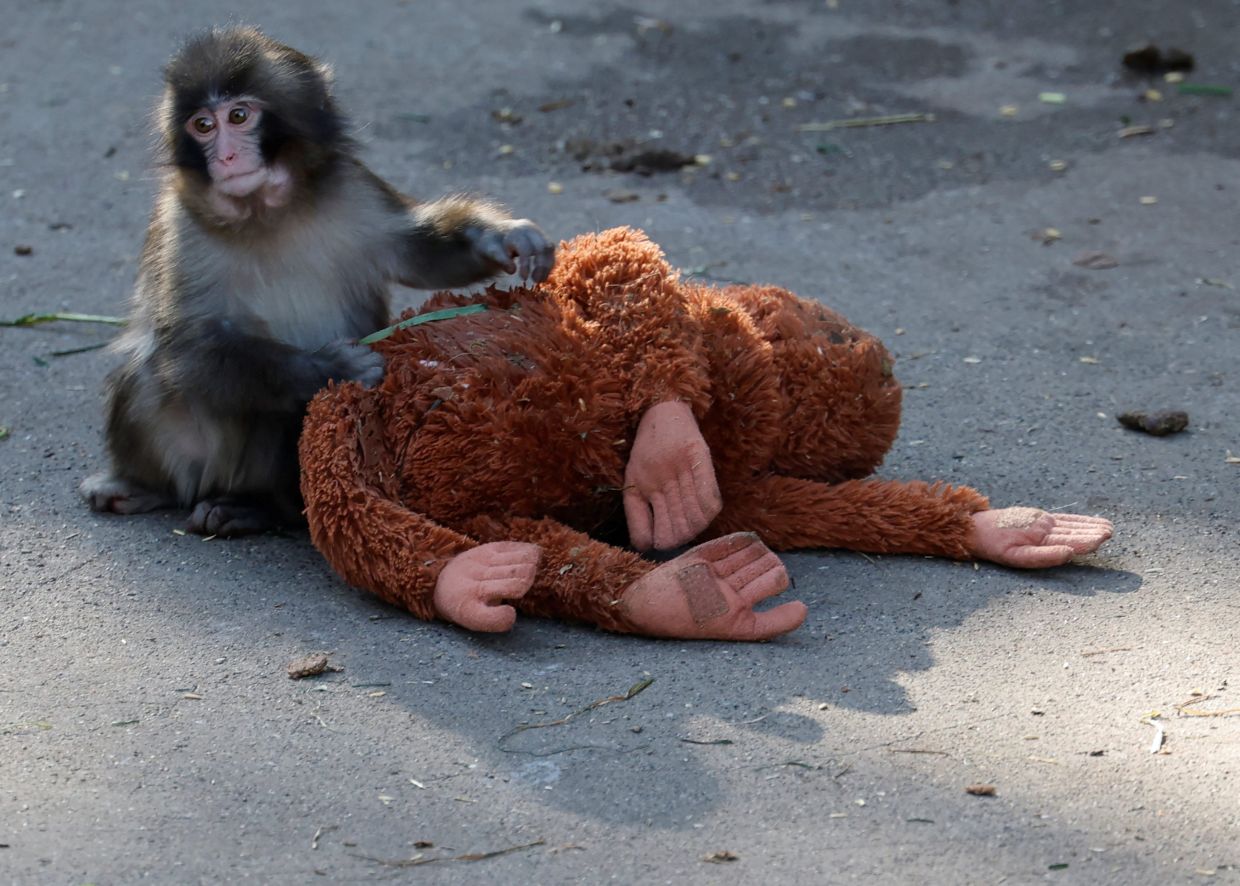
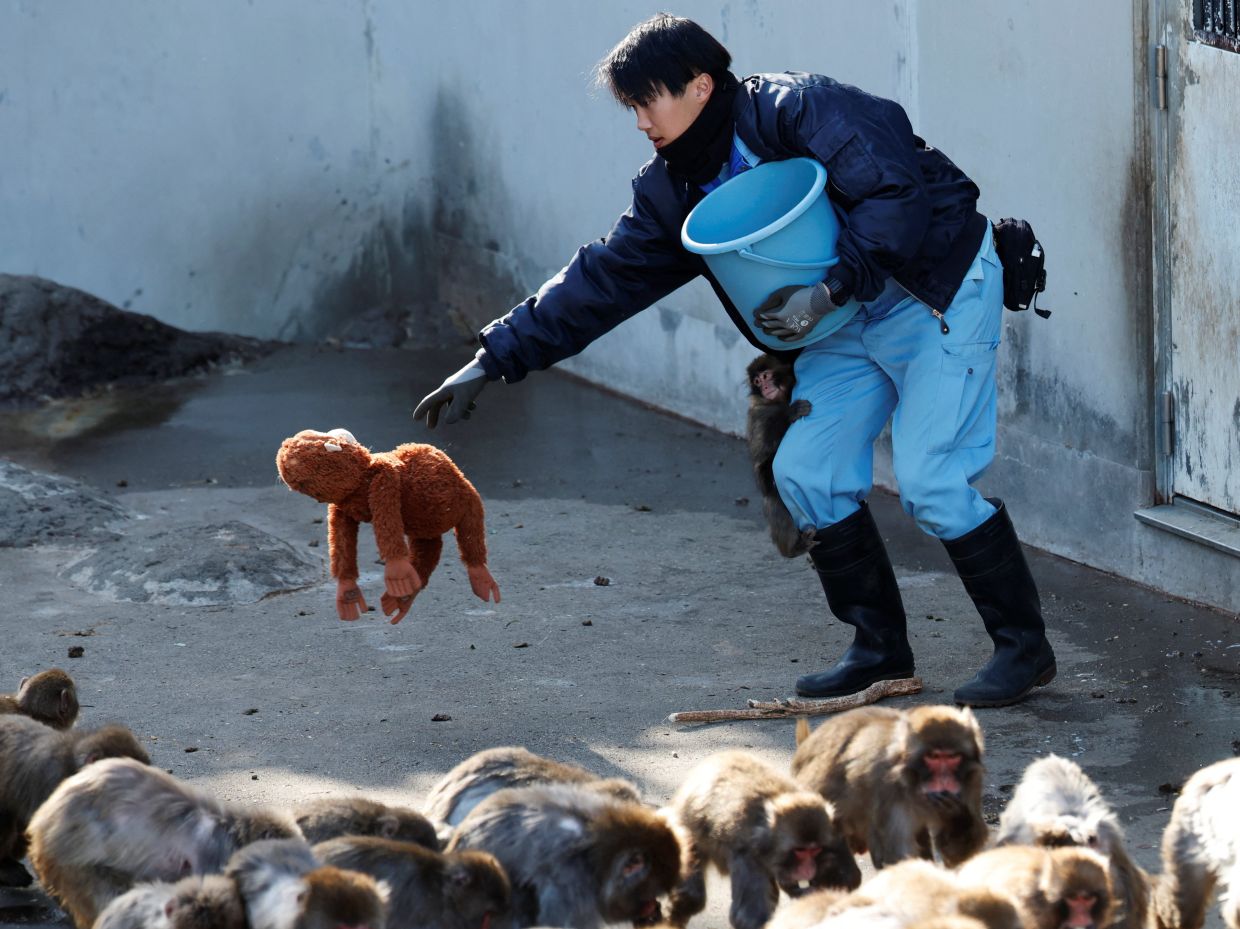
Abandoned by his mother at birth and hand-raised by keepers, the young primate is one of about 60 at Ichikawa City Zoo’s Monkey Mountain exhibit. The humans gave Punch an Ikea orang utan stuffed toy because it provided the comfort and security missing from his life.
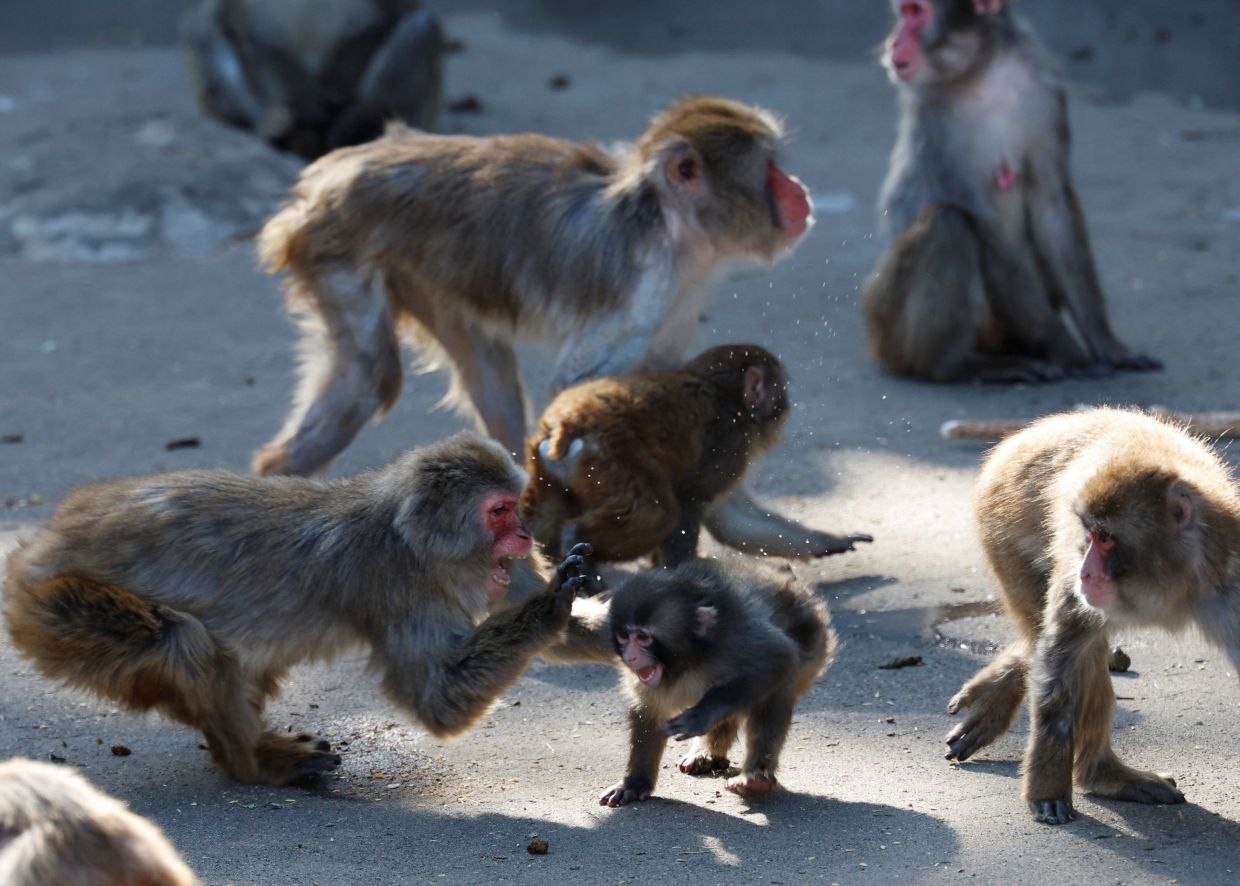
The photos and videos of Punch clinging to his toy after other monkeys slapped him away broke the Internet’s collective heart.
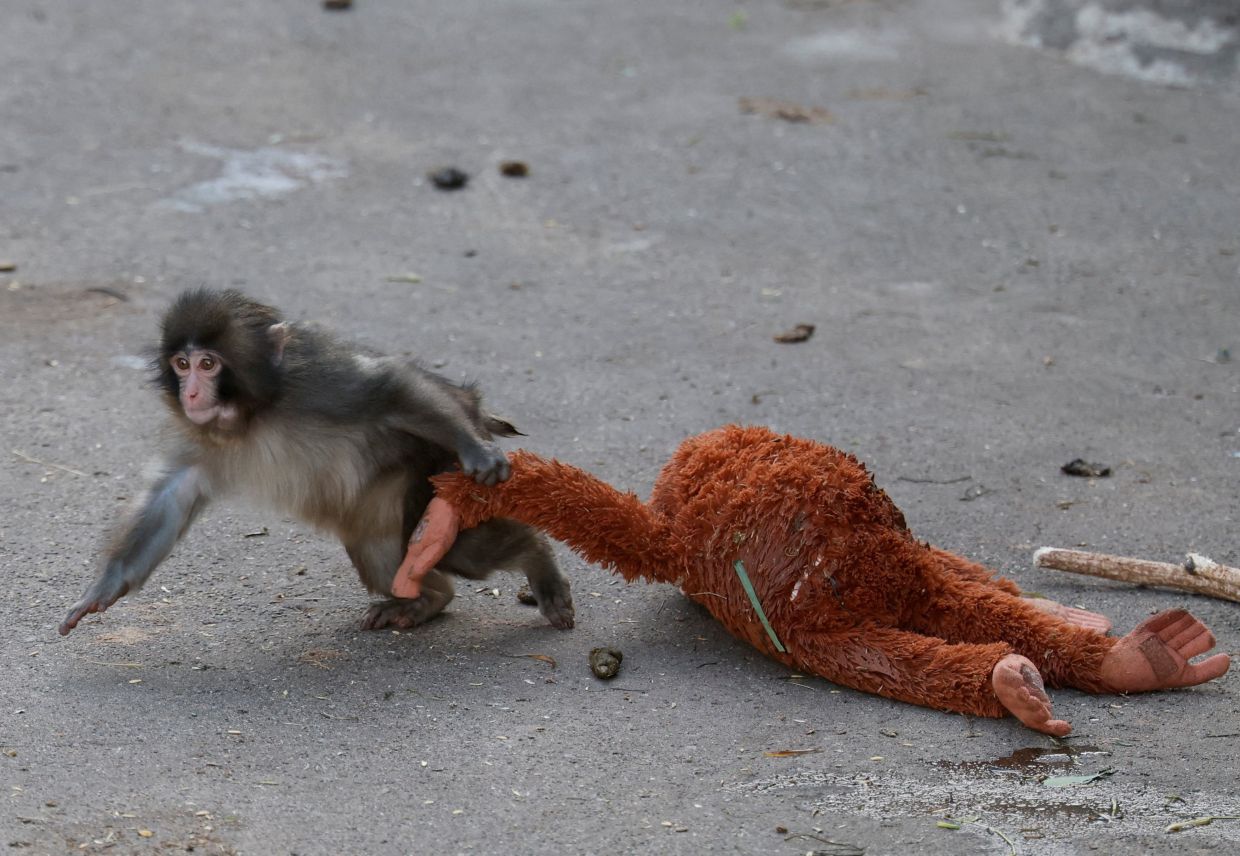
Like millions of others, I consumed this sadness porn like it was candy. The sight of this human-looking primate seeking solace did not just evoke pity; people were willing to go to battle for Punch.
Some felt that keepers should intervene and enforce more control over monkey behaviour, or that Punch deserved more toys and his own safe space. Others felt that Monkey Mountain was a concrete abomination, while another camp went further, saying all zoos were inherently cruel.
One commonly seen opinion is that humans will sympathise with an animal half a world away before they care about starving people living down the street.
Another variant: Humans will send money to help pandas, kittens and puppies – or cute monkeys – before they send funds to help other humans in the aftermath of floods or earthquakes.
This comment, many say, is not the “gotcha” that commenters think it is, because humans can care for two things at once. Just because someone sends money to the Society for the Prevention of Cruelty to Animals or World Wildlife Fund does not mean his wallet is shut when it comes to helping refugees.
Someone can support a cure for breast cancer without calling for kidney patients to be ripped from their dialysis machines.
But the “where is this energy for human victims of real crimes” outcry has some basis in reality.
Having spent enough time online that I consider myself an expert in Internet drama, I should be allowed to say that the global attention paid to Punch speaks volumes.
When was the last time the Internet zoomed in so feverishly on the starving or homeless? Or people left in the rubble of a state-sanctioned bombing campaign?
The drama around Punch says something about the attention economy, the way it fixates on single videos and images at the expense of stuff that does not have a visual hook.
In the early 1980s, the issue of AIDS remained theoretical for many. In 1987, Britain’s late Princess Diana shook hands, without gloves, with an AIDS patient. The famous handshake photo and, later, images of her holding other patients, did more to raise awareness of AIDS transmission and reduce its stigma than any awareness campaign up to that point.
Punch’s plight could not have been more suited to short-form video if an art director had executed it with a budget of millions.
In under 30 seconds, this microdrama, backed by mournful music, brought so many around the world – including me – to tears, when reams of textual evidence can fail to evoke pity for victims of genocide, ban guns or bring paedophiles to justice.
This small but perfectly packaged tearjerker even came with a call-to-action mission in the form of an affordable Ikea orang utan, sold out in many parts of the world.
That emotional manipulation is possible with a single image is not lost on the public relations industry, which places the adorable children of a leader in front of him when he makes an on-camera apology for a grievous lapse in judgment.
The World Wildlife Fund has a panda, not a salamander or an endangered fish, as its mascot.
What is also interesting is how humans insert themselves into a monkey-on-monkey incident.
Punch, like every social animal, has to learn where he stands in the tribal pecking order. That discipline looks like purposeful malice when it is hard-wired instinct.
The fancy name for the flaw in thinking is anthropomorphism, where people assign human motives to objects and animals.
In this case, people are projecting their memories of school playgrounds on a troop of monkeys.
People think a bird sings because it is happy, when it is actually screaming, “Males, keep off my turf or I will peck your eyes out.”
Anthropomorphism is, strictly speaking, a logical fallacy. But if it keeps animals alive – Punch included – then it is a fallacy I can support. - John Lui/The Straits Times/Asia News Network
