
When American novelist RF Kuang spent two months in 2023 in Taipei, Taiwan, for an intensive Mandarin course, she found herself inadvertently sketching the outlines of a new novel.
Her grandfather had recently died, and she was keeping a diary.
“I was trying to remember as many details and document the texture and flavour of what grief felt like,” she said in a video interview.
Those entries became the raw material for her novel Taipei Story, published this month, which follows Lily Chen, a 19-year-old Chinese American contending with mistranslation and bereavement during a summer in the city.
A doctoral candidate in East Asian languages and literatures at Yale University, Kuang has built a devoted following for her meticulously researched novels about language, empire and power.
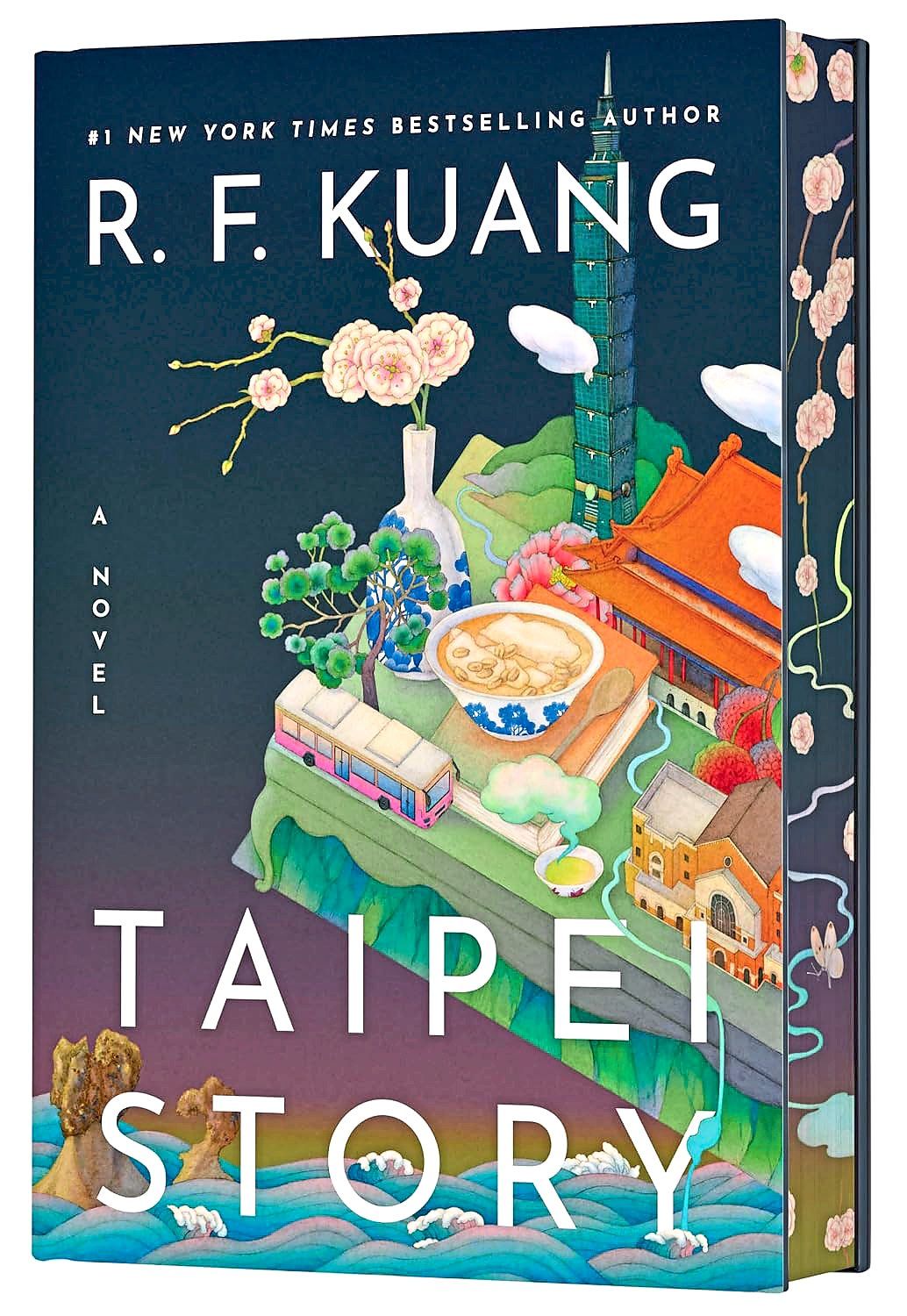
Taipei Story is her seventh novel and her second work of literary fiction after her 2023 publishing-world satire Yellowface. It returns to the questions of identity and belonging that have long animated her work.
Lily Chen is fictional, but the novel’s emotional and physical settings are inspired by Kuang’s study-abroad stint.
She built her protagonist’s Taipei from her own experiences, like studying in kitschy cafes near National Taiwan University, where she was enrolled; slipping into movie screenings between classes; and hiking Elephant Mountain at the edge of the city.
“I wanted to explore the sort of circuit of daily experiences that somebody spending a summer at NTU would have had,” said Kuang.
Although Kuang has not returned to Taipei since that summer, certain corners of the city have stayed with her. Here are five:
Qingtian Tea House
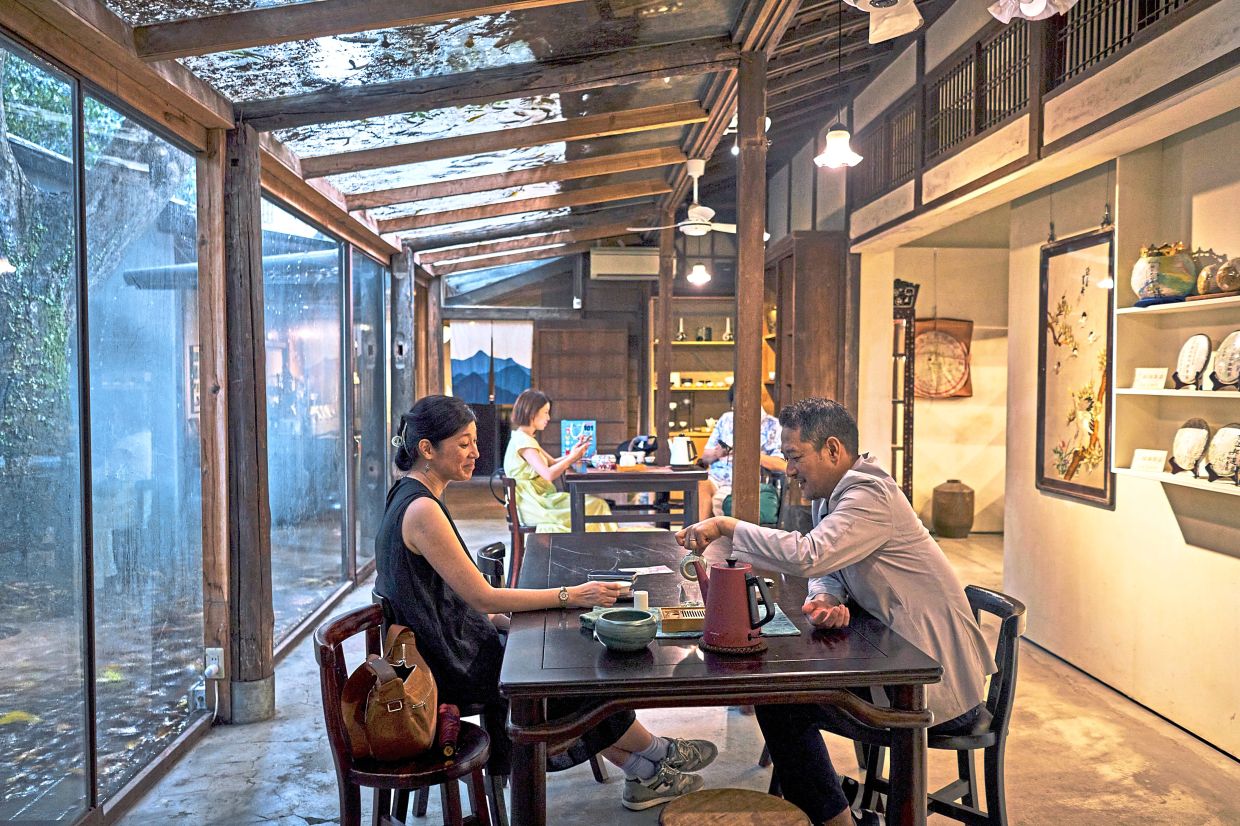
“I had a classmate whose hobby was obsessively trying tea everywhere around the city,” said Kuang. She was occasionally roped into these quests, one of which led to Qingtian Tea House, a charming oasis that occupies a Japanese-era wooden home near her campus at NTU in the Da’an District. It specialises in Taiwanese oolongs, but the detail Kuang remembers the most fondly wasn’t on the menu.
It was the giant mango tree in the courtyard. During her visit, a rainstorm began knocking mangoes onto the roof with startling thuds.
“At some point, we stopped paying attention to our tea and started counting the mango bangs,” she said. The final tally: roughly 85.
Vegetarian Tomato Beef Noodle Restaurant
Beef noodle soup – braised chunks of beef in a rich broth – is one of Taiwan’s most emblematic dishes. Thousands of restaurants across the country specialise in it, and Taipei even holds an annual competition for who can cook the best bowl.
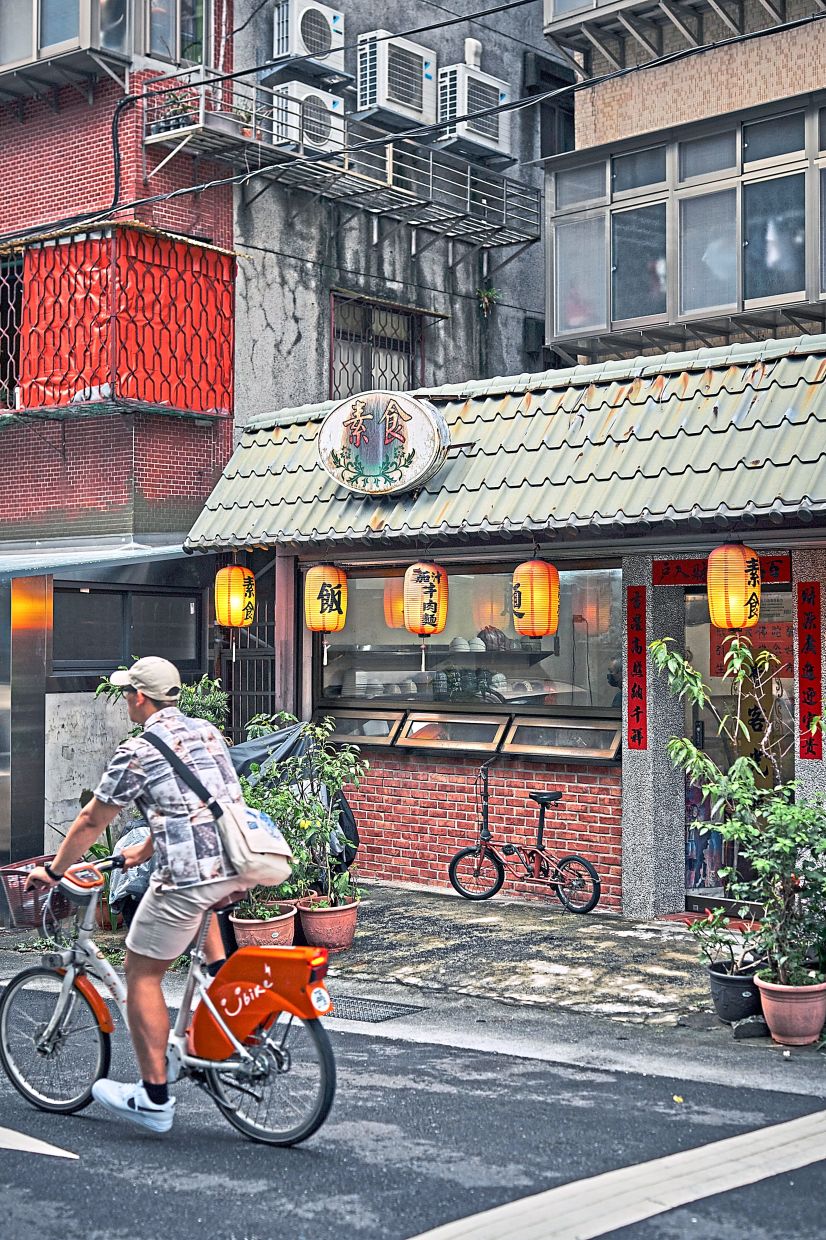
Kuang, who does not eat meat, had never tried the dish – or even a vegetarian version – until she stumbled on this restaurant in the Xinyi District.
“It’s this hole-in-the-wall place where they seemed totally uninterested in having any customers,” she said.
Their version swaps the beef with lion’s head mushroom, served with springy noodles in a tomato-centric soup.
“It was incredible,” she said.
Nationwide Healthy Vegetarian
Before she moved to Taipei, some of Kuang’s friends warned her that the city would be difficult for a vegetarian.
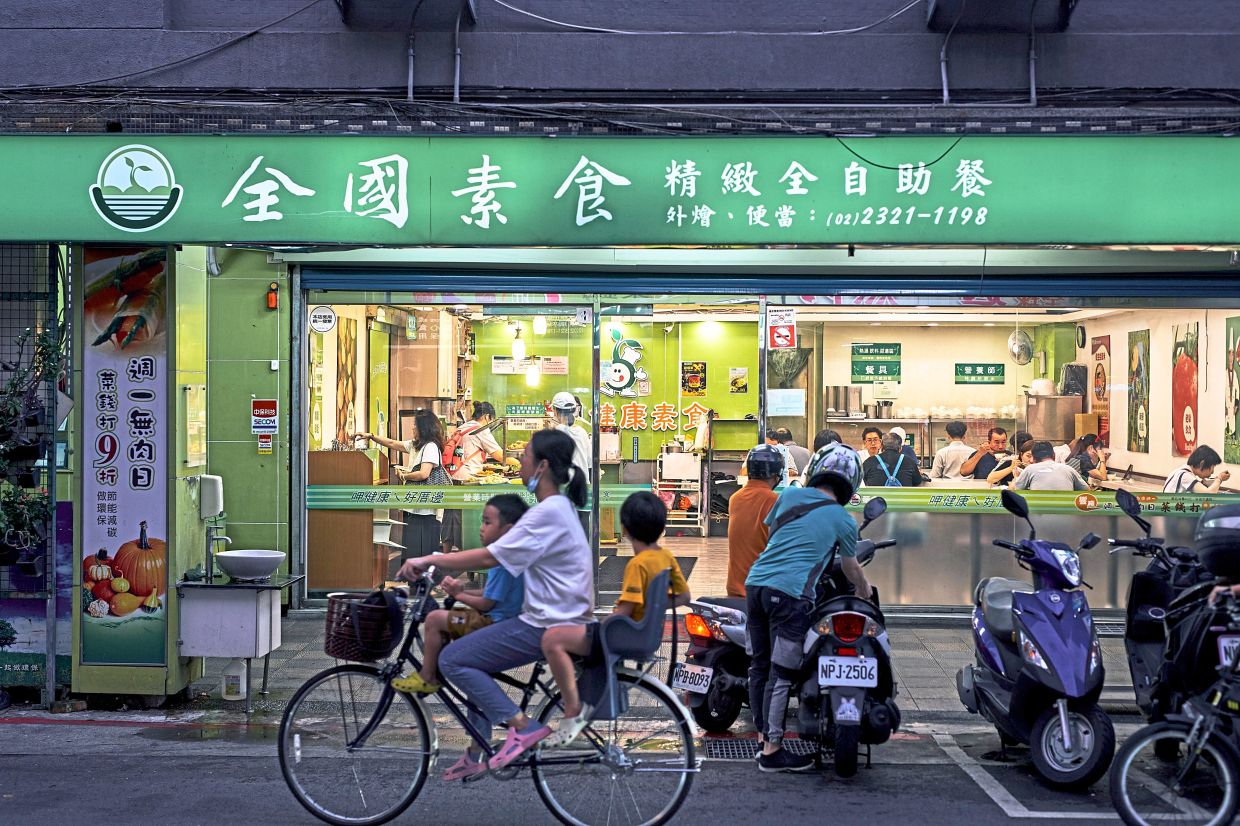
“That’s just completely not true,” she said. She became a regular at Nationwide Healthy Vegetarian, a cafeteria-style buffet chain with locations all over the city where diners load up on freshly prepared dishes like crispy fried tofu, braised eggplant, stir-fried ferns, bamboo shoot salad and multigrain rice, then pay by weight.
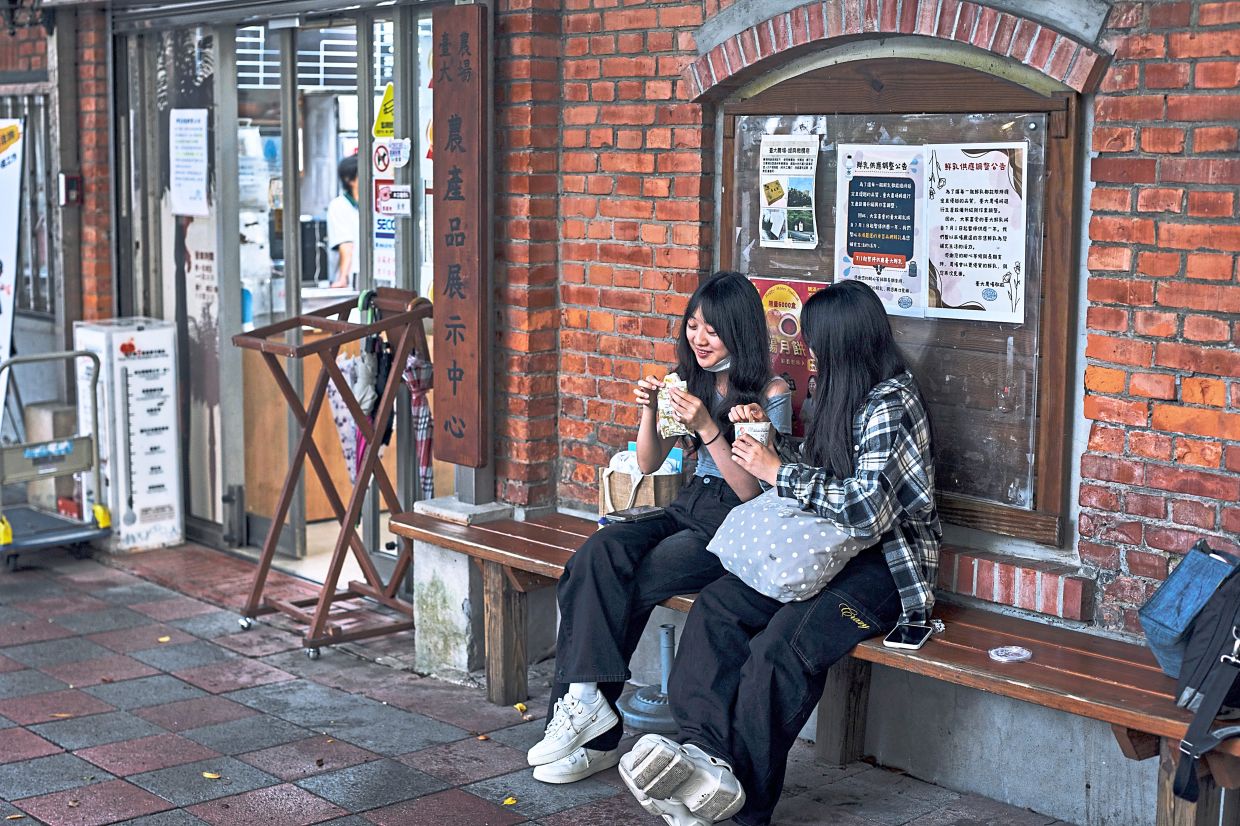
NTU Agricultural Products Sales Centre
Some of Kuang’s favourite discoveries came from tips shared in class – including this campus shop, which sells fresh milk and ice cream sandwiches made with dairy from the university’s experimental farm.
The milk, which her classmates described as unusually rich, drew lines every day. The sandwiches, consisting of a thick slab of ice cream pressed between two savoury soda crackers, also had a cultish following.
“I don’t know if we were just starving, but it was some of the best ice cream I ever had,” she said.
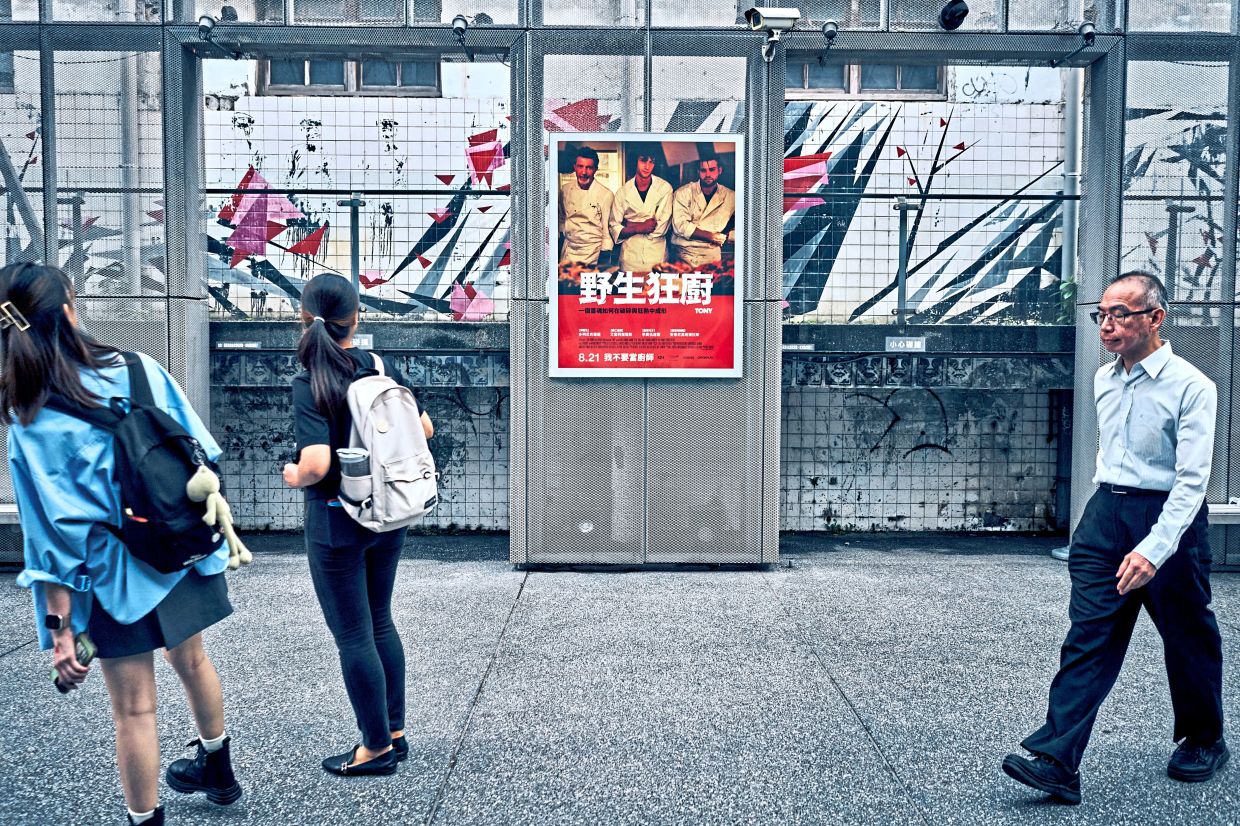
SPOT Huashan
Taiwanese cinema made its international breakthrough in the 1980s. Although its heyday has passed, the island’s cinephile culture endures.
“Taiwan has a really fun repertory indie cinema scene,” said Kuang.
She spent hours at SPOT Huashan in the Zhongzheng District, an art-house theatre where obscure international films screen alongside domestic hits.
One stood out: Japanese filmmaker Ryusuke Hamaguchi’s Passion, which follows a group of college friends through a night of romantic revelations. Kuang was delighted by the interplay of Japanese dialogue and English, Japanese and Mandarin subtitles.
“In the film, they’re jumping between languages, yet communication is still sometimes impossible because we have so many ways of hiding how we actually feel and what we want to express,” she said.
She ended up weaving that experience – and those themes – into a scene in Taipei Story. – ©2026 The New York Times Company