Film photography has experienced renewed interest in recent years, driven in part by an appreciation for its tactile processes and the more deliberate approach it can bring to image-making.
While embracing these “old-school” methods has its own appeal, there is something rewarding about going deeper into the process and experiencing firsthand how things were done in the past.
For film photographers in the Klang Valley, this is an exciting time. The resurgence of photography has brought new film stocks to the market, while film cameras are once again becoming more widely available. Film labs also offer convenient processing services, from developing colour and black-and-white rolls to scanning negatives into digital files and producing physical prints.
Taking part in the process
However, these days, simply leaving a roll of film at a photo lab is no longer enough. For many enthusiasts, the appeal lies in understanding and taking part in the process itself – from developing the negatives to making the final print.
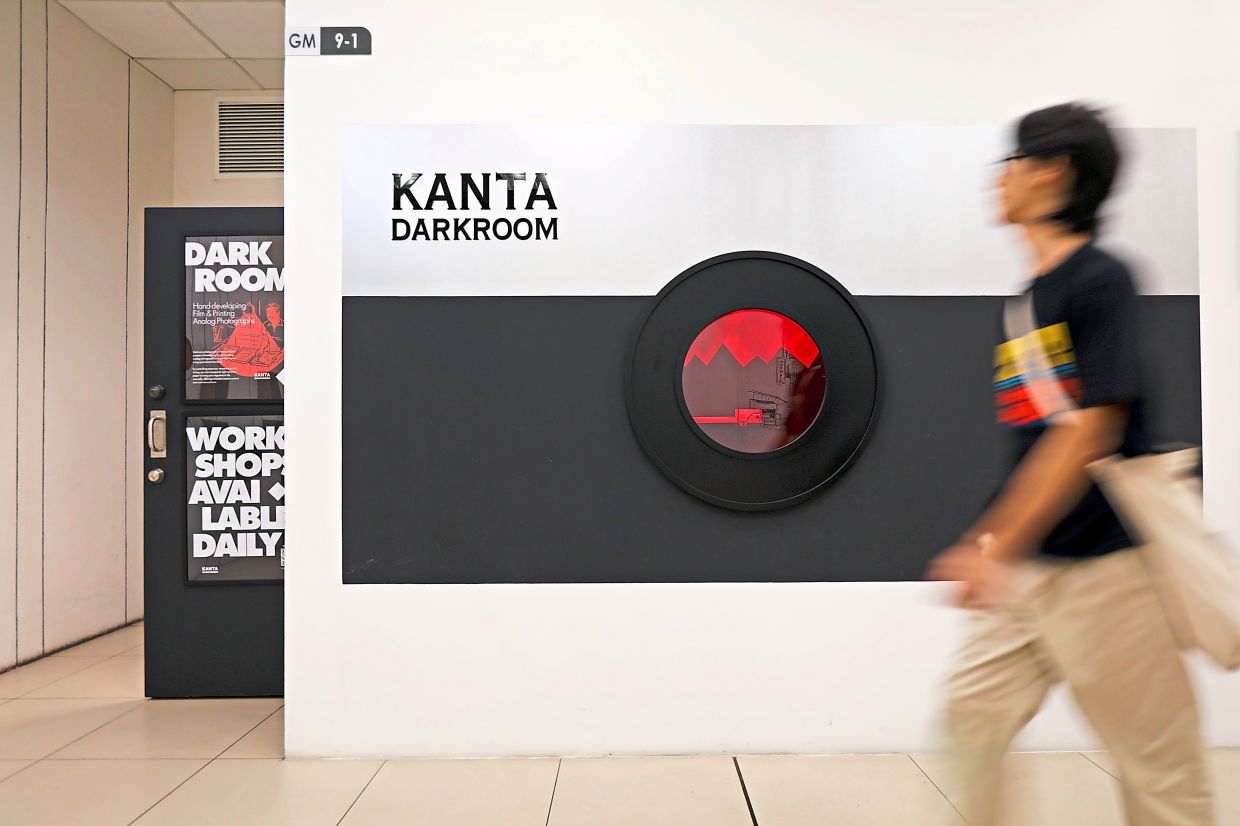
For those looking to deepen their knowledge of film photography, Kanta Darkroom at GMBB in Kuala Lumpur is a place to gain hands-on experience in developing and printing photographs using traditional darkroom techniques, including silver gelatin printing.
Its courses range from beginner to advanced, covering the craft and processes of analogue photography.
Kanta Darkroom is the brainchild of photographer Jeffrey Lim, founder of Kanta Studio, known for his use of antique cameras and silver gelatin portraiture. Through the darkroom, Lim seeks to further broaden access to the craft and keep traditional photographic practices alive.
Kanta Studio officially launched last year, offering traditional silver gelatin photography, followed by Kanta Darkroom in July. Both are located in GMBB, with the studio on the sixth floor and the darkroom on the ninth.
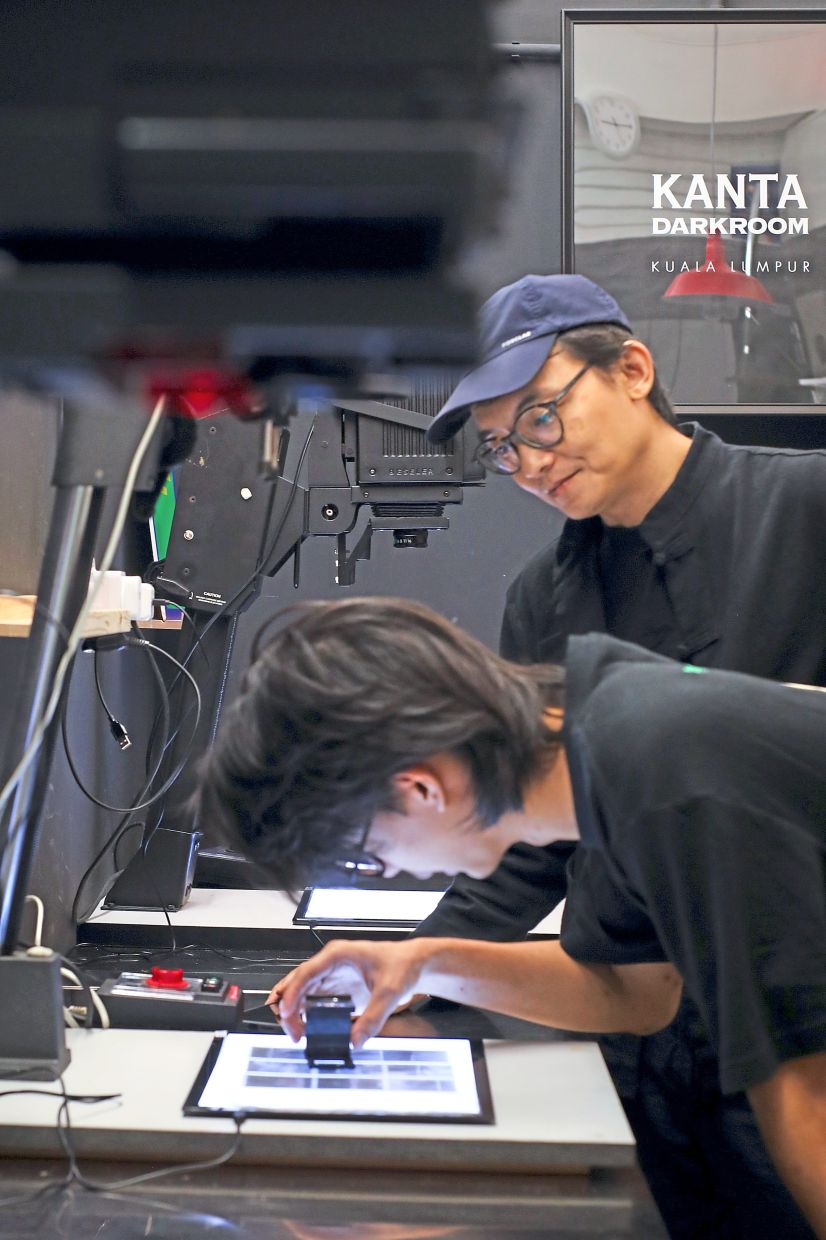
“I opened the photo studio last September. It took me a year to build it up. I was under a government grant that was meant to fund the studio, but on the side, I also wanted to set up a darkroom and teach darkroom printing,” said Lim.
Before having a dedicated darkroom, Lim converted his photo studio into a makeshift darkroom once a month to teach printing techniques.
“I already needed a darkroom for the services I offer, which include printing photographs on silver gelatin paper. I had all the equipment and, coupled with my experience, I thought it was time to impart my knowledge of photography and darkroom printing to the next generation.
“A photo studio and darkroom go hand in hand. Initially, my grant covered both, but the funding was cut, so I only had enough for the studio.”
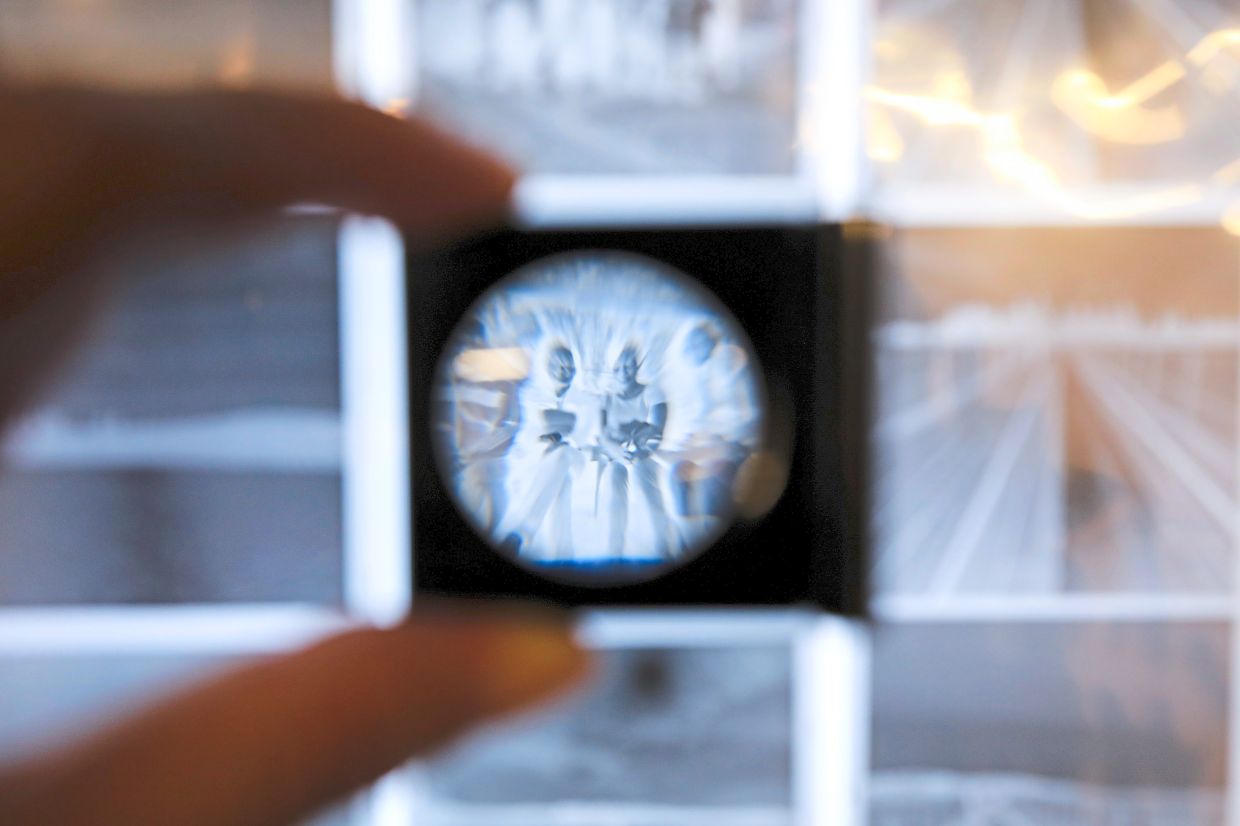
Undeterred, Lim sought alternative funding for a dedicated darkroom.
“I approached a company that deals with darkroom products, and they helped fund the darkroom programme,” he said.
Equipped with three enlarger workstations supporting 135 and 120 film formats up to 6×7, the darkroom also features film-developing tanks and a flatbed film scanner.
Beyond an abstract idea
Lim is pleased with the new space, both as a functional darkroom and a classroom. He has also trained two instructors - Nurul Huda and Arman Wan Nordin, allowing the programme to expand beyond his own teaching.
“I’m not the only instructor now. I’ve got two others to assist ... so we’re now a group of instructors with a dedicated space for teaching,” he said.
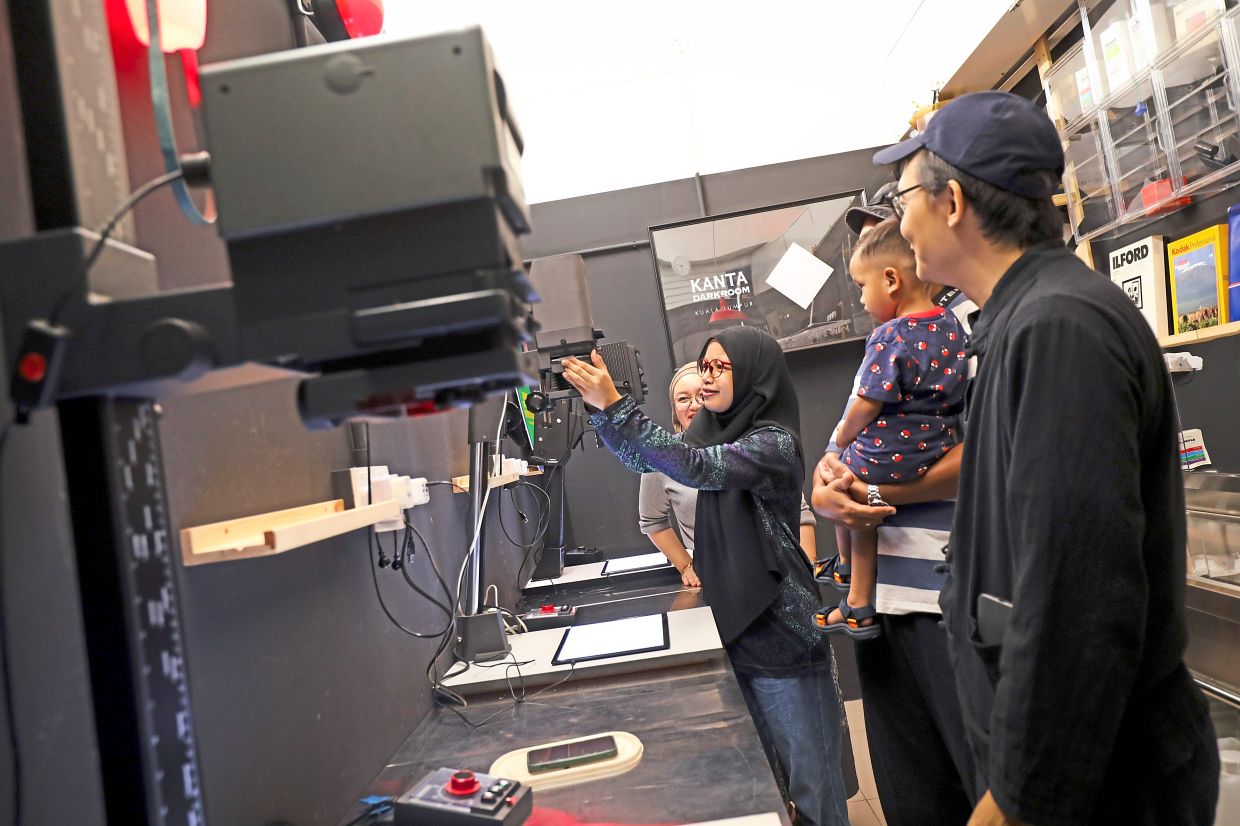
Lim and his instructors have developed several programmes for the darkroom. These include on-demand classes, replacing the previous schedule of one weekend a month, a 10-module darkroom printing course spread across two semesters and a membership programme that allows students to rent workstations. The workstation rental is currently limited to Kanta Darkroom students and is not yet open to the public.
Despite having a dedicated group of students, the darkroom has not attracted the same level of interest as the photo studio.
“The darkroom is such an abstract idea. People have only seen it in movies, so they don’t really understand the need for it.
“The response to the darkroom printing course has not been as strong because it is an obsolete medium,” he admits.
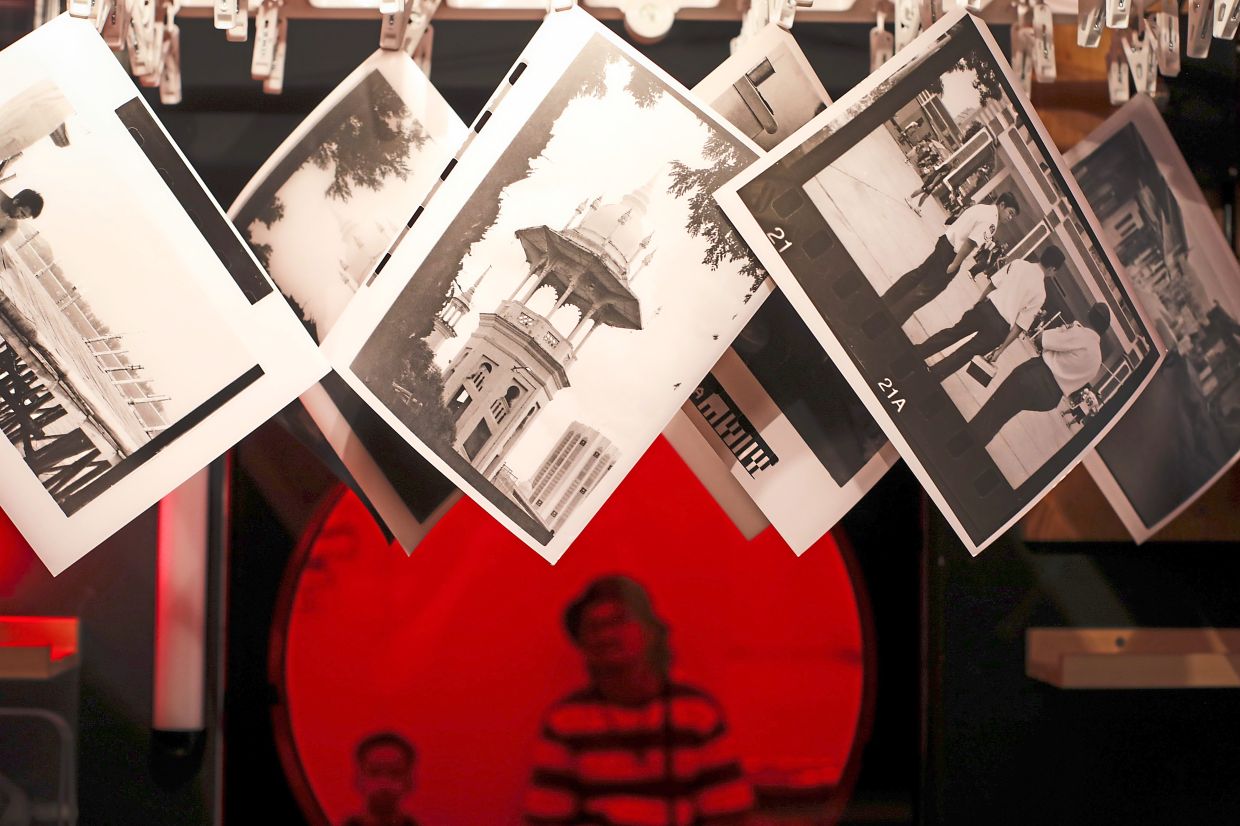
A community space like Kanta Darkroom offers a starting point for the curious - a place to explore photography more deeply, build knowledge and turn interest into practice.
With 25 years of darkroom experience, Lim has witnessed photography’s changing trends and is keen to see interest extend beyond the camera to the darkroom.
He brings considerable expertise to the programme. A few visitors experienced this firsthand during an orientation session on darkroom printing last month.
The process involves numerous stages, from handling equipment and chemicals to developing negatives and producing prints.
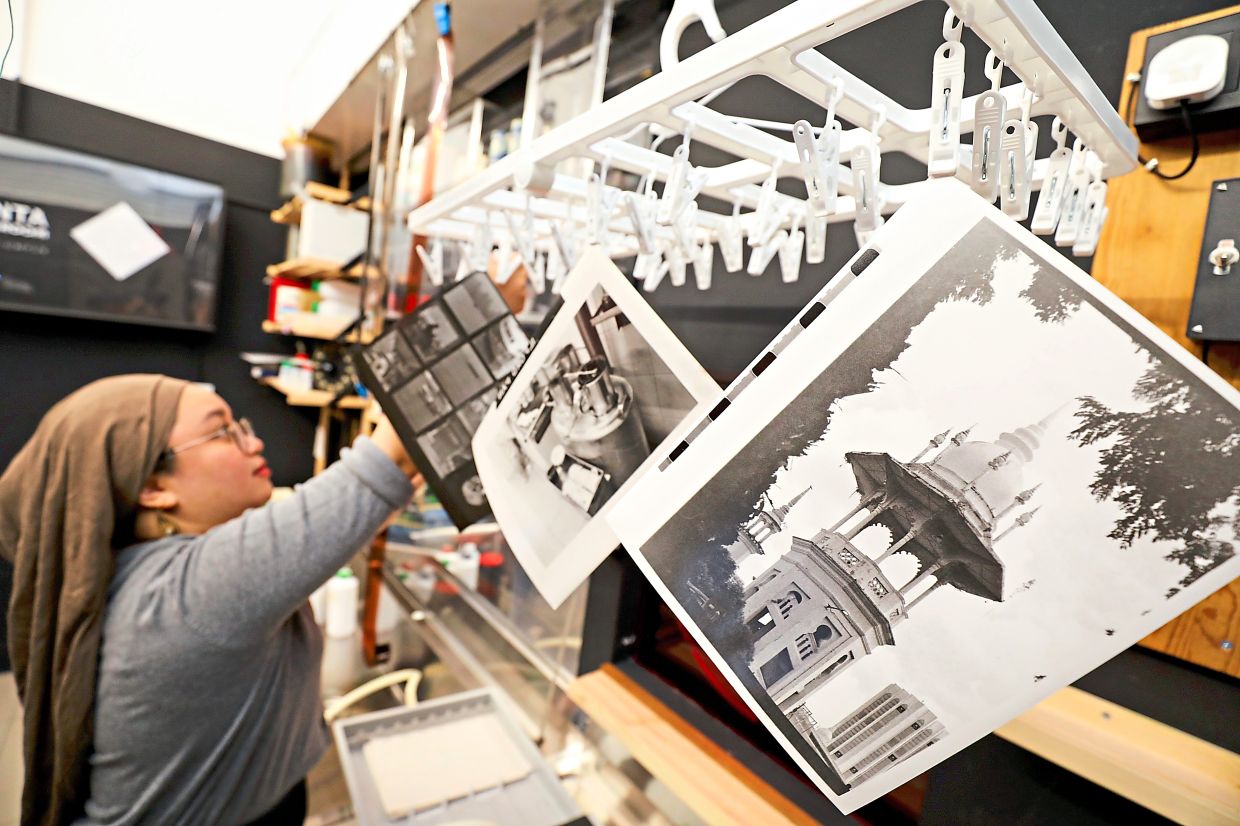
While a course provides the necessary foundation, mastering darkroom printing requires continued time in the darkroom – to become familiar with the process, troubleshoot problems independently, and develop the judgement and skill that come with experience.
Lim remains determined to build awareness and interest in the craft.
“To create awareness and promote it, I have to start doing Instagram Live and social media Live to show people what it is about and that it is available to those who want to learn and get involved.”
The Kanta Darkroom Workshop Series, conducted in English and Bahasa Malaysia, is a wide-ranging programme covering darkroom orientation, black-and-white printing, colour film development, black-and-white contact sheets, and black-and-white film development.
More info here.