
In his latest production, Kapitan – The Musical, veteran playwright and director Chin San Sooi revisits the life of Yap Ah Loy – a young Hakka migrant from Guangdong, China who arrived in Malaya in the mid-19th century, seeking opportunity, and eventually rose to become the third Kapitan Cina of Kuala Lumpur.
At 85, Chin shows no signs of slowing down, also writing the lyrics for this upcoming production. Since the post-pandemic period, he staged Solace Of Papan (an opera about nurse and wartime heroine Sybil Kathigasu) last year and presented Water: A Musical, an environmental-themed theatre production in 2022.
If anything, Chin also knows how to set the scene. For an added sense of atmosphere, Kapitan – The Musical will be staged at the Thean Hou Temple Hall in Kuala Lumpur, with three shows on Dec 13 and 14.
The performance runs two hours including an intermission.The production is presented by Opus Harmonia Association in collaboration with PJ Philharmonic Orchestra Academy, featuring music composed by Lam Siu Chong.
“The musical opens with the procession celebrating Yap becoming the new Kapitan of Kuala Lumpur. Then we flashback to when he first arrived in Melaka at the age of 17 and begin to tell the story of how he became the Kapitan,” says Chin in a recent interview in Kuala Lumpur.
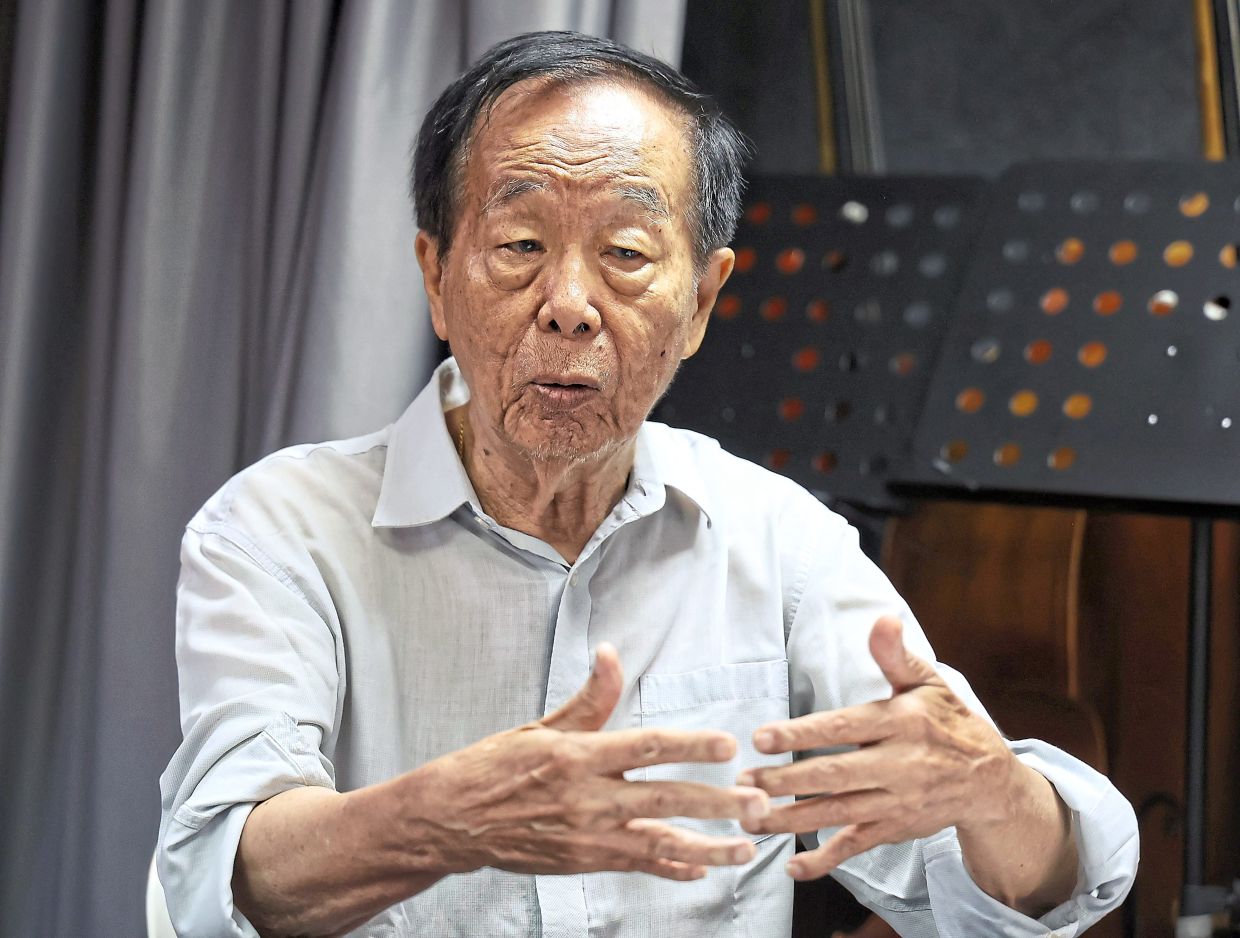
From his early days as a tin miner and petty trader to becoming a community leader, the musical charts Yap's history in Malaya.
Kapitan – The Musical, as a theatrical experience rather than a historical record, includes “some changes here and there to tighten the flow and make the story more engaging,” he adds.
The 30-person cast features Matthias Cheah as the young Yap Ah Loy and Liau Siau Suan as the elder, accompanied by a full live orchestra. Performed primarily in English, there will also be English subtitles for parts spoken in Chinese or Bahasa Malaysia.
"What we really want to highlight is the fact that Yap Ah Loy was a man of great resilience and adaptability," says Liau, 78.
“He couldn’t have known what Kuala Lumpur would become, but his determination to stay and improve it made all the difference. I think it’s important that we remember his contributions,” he adds.
Playing to win
One could argue that this is familiar territory for Chin, as it is not his first time depicting Yap Ah Loy’s story.
In 1985, to commemorate what would have been Yap’s 100th birthday, he wrote a play called Yap Ah Loy – The Play.
“I wrote the play because nobody was doing anything about him in that kind of manner, and I thought that a person like Yap Ah Loy, who is one of the key figures who developed KL, must be remembered somehow,” says Chin.
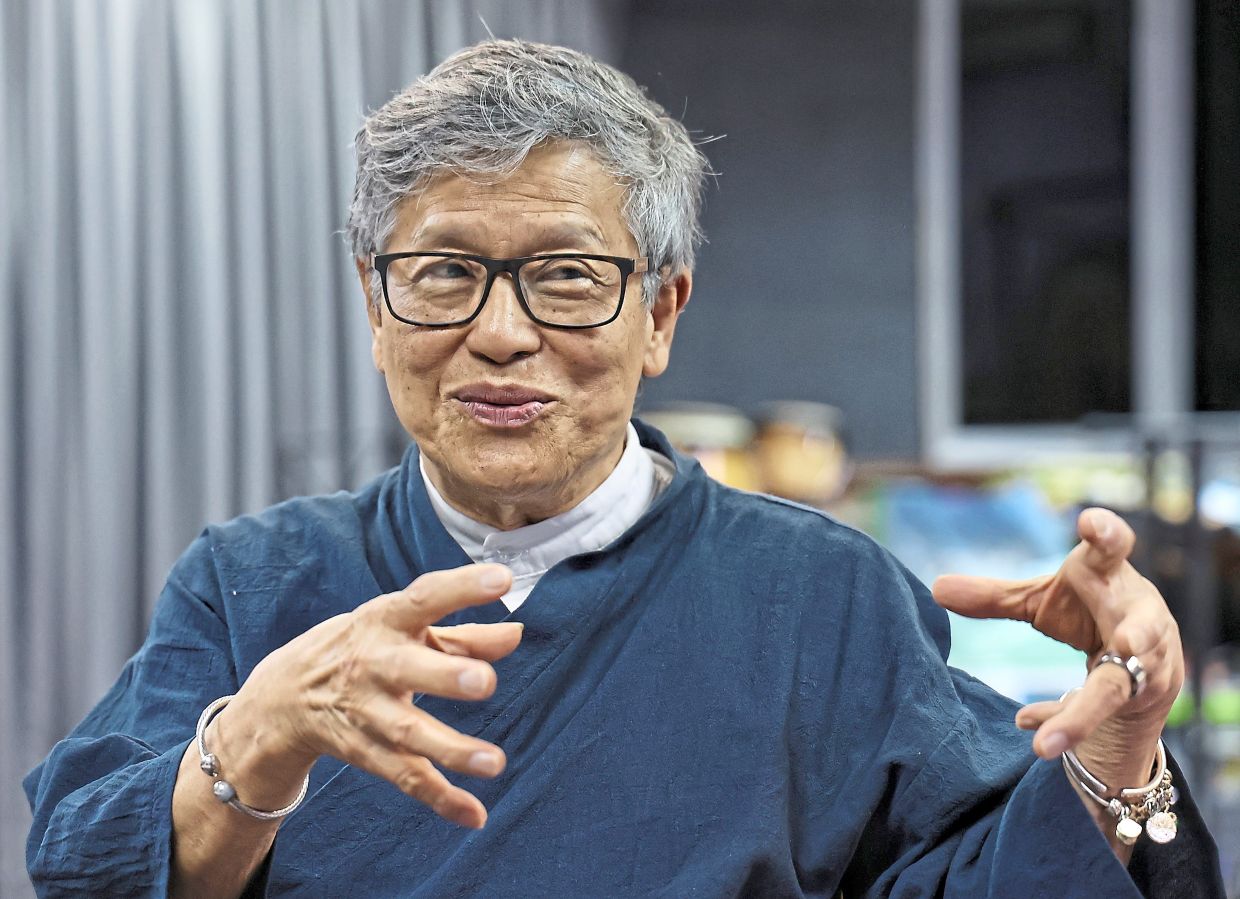
He assures audiences it won’t be a dry history lesson on stage, as Yap led an epic life full of stories to tell.
“In writing the script, I wanted to highlight the fact that Yap was a gambler. And while he enjoyed taking risks, he played to win, not lose.”
In the musical, a scene shows Yap travelling to Singapore and visiting a gambling den.
“He had been given money to return to China, but he lost all his money gambling, so he had to walk from Singapore back to Lukut, which is now known as Port Dickson. He then picked up some slick ways to make money, and with the money he made, he bought a pig farm, which was how he began to make his fortune.
“Yap then decided to go to KL to try his luck, even though it was a very wild place in those days ... it was mosquito-ridden with constant clashes between various factions jousting for power,” says Chin.
Yap’s impact on Kuala Lumpur is undeniable, with some of his contributions still standing today. Notably, the city’s oldest Taoist temple, Sin Sze Si Ya Temple near Central Market, was established by Yap in 1864 to honour the two deities he credited with guiding him to victory in the Selangor Civil War.
“When KL was often plagued by floods and fires, he was the one who pumped money into rebuilding the city and got people to stay. He started a brick-making venture in Brickfields so he could replace the thatched houses common at the time with brick houses, which were sturdier and less likely to catch fire,” says Chin.
Beyond the musical, audiences at the Thean Hou Temple Hall can hear from Yap’s fifth-generation grandson, Glenn Yap, who will deliver opening remarks on his ancestor’s role in shaping Kuala Lumpur.
Kapitan – The Musical runs at the Thean Hou Temple Hall, Persiaran Endah, Taman Persiaran Desa in Kuala Lumpur on Dec 13 and 14.