
What bridges must we cross, and how can we move forward when life presents its most difficult moments? This is the question that sits at the heart of Sisa-Sisa 2: The Forgotten, written and directed by award-winning playwright Mark Beau de Silva.
The production – set to play at Black Box, Damansara Performing Arts Centre (DPAC) in Petaling Jaya from Oct 2-5 – brings together three original short plays that weave together grief, duty, loneliness, and renewal.
In doing so, the theatre work, presented by W Productions, illuminates a familiarity in the struggles that are often unseen, urging audiences to reflect on empathy, compassion, and what it means to remain aware of, and responsible for, those around us.
Rooted in real-life experiences, Sisa-Sisa 2 took shape when theatre actor Douglas Wong, a friend of de Silva’s and a member of the cast, invited him to collaborate.
For the Kuala Lumpur-raised de Silva, 46, the original Sisa-Sisa series – exploring loss, loneliness, and abandonment – holds a special place in his career.
In August 2015, the director-writer’s Sisa-Sisa: A Collection Of Four Plays was staged at the Kuala Lumpur Performing Arts Centre (KLPac), giving him the chance to direct his mentors Datuk Faridah Merican and Joe Hasham.
The first Sisa-Sisa received seven nominations at the 2016 Boh Cameronian Arts Awards, winning Best Script and Best Actor. After over a decade’s wait, the second volume is ready.
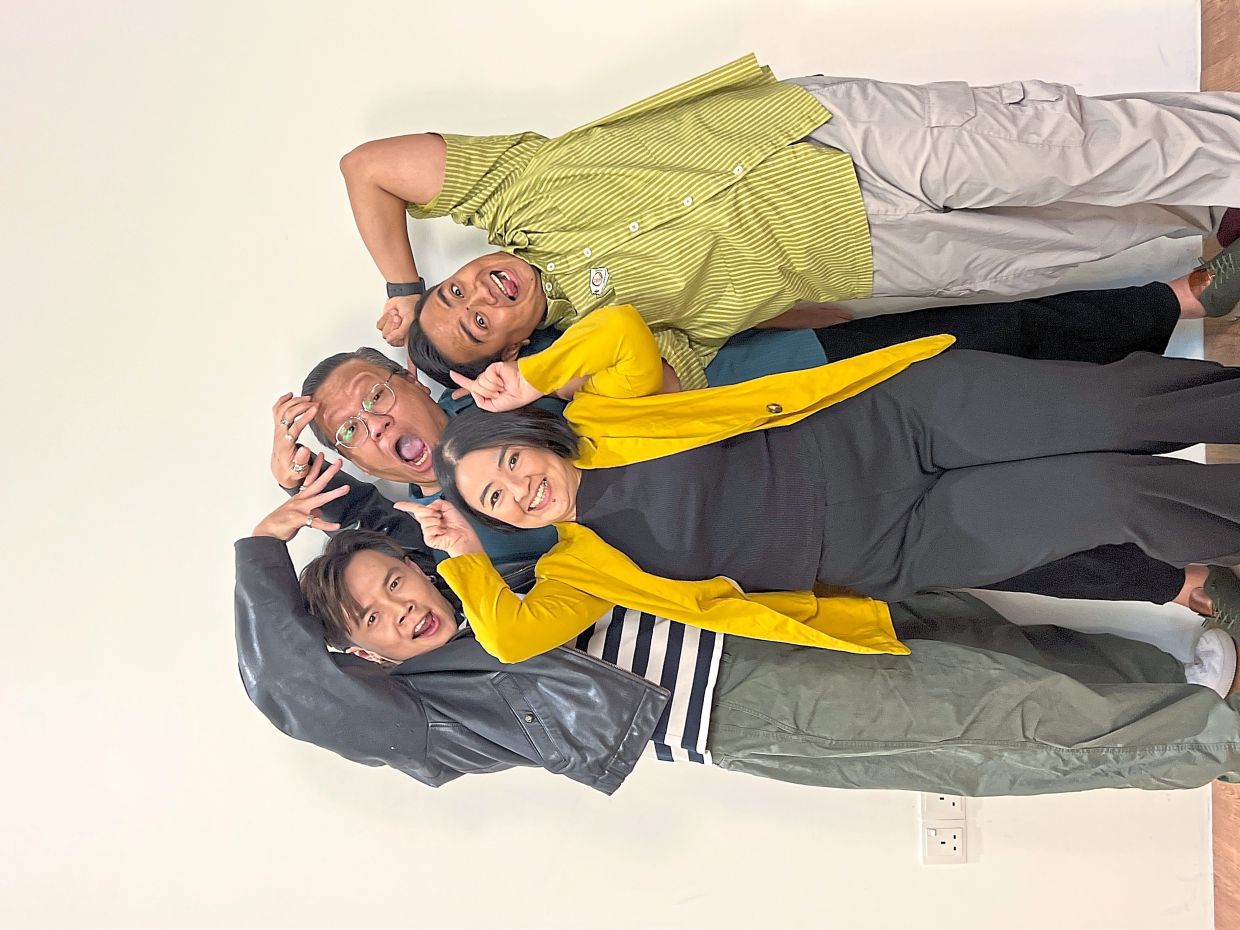
“After discussing our individual journeys, and who we are as people now, we decided on a few themes that I would explore,” said de Silva, who has been writing, directing, and teaching theatre for nearly 25 years.
“Douglas has experienced some personal challenges over the years, and so have I and the other actors, so I would say the three plays reflect mine and the cast’s past, present, and future,” he added.
Unseen struggles
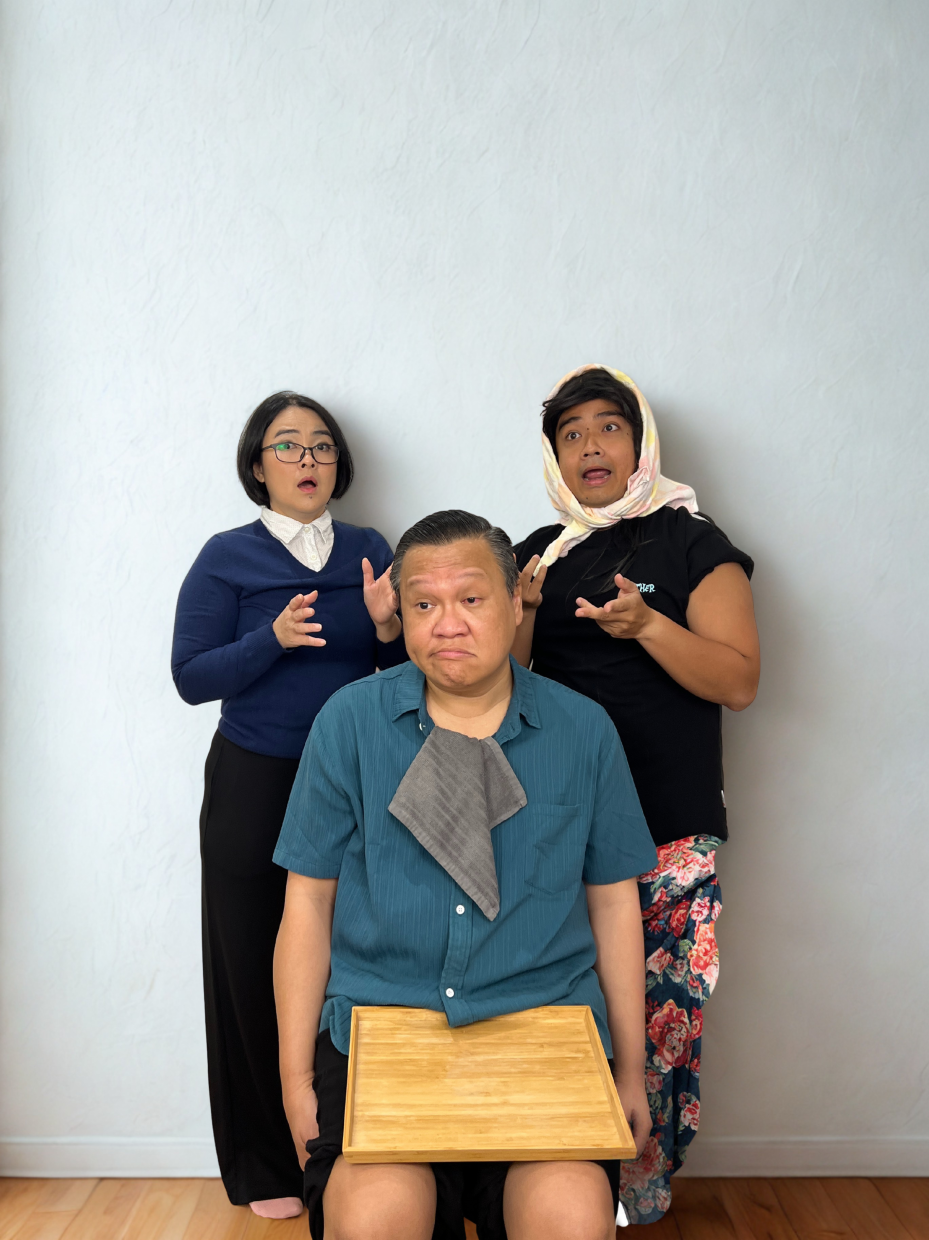
The result of Sisa-Sisa 2 is a triptych of plays: Other People’s Children, Leng Leng Lost, and Joy After Silence. The works, produced by William Yap, will be presented in a variety of languages and dialects, including English, Bahasa Malaysia, Hokkien, Mandarin, and Cantonese.
In Other People’s Children, audiences follow Eunice as she confronts her father’s life-altering decision, one that reopens old wounds and unresolved trauma.
“I had the idea for Other People’s Children from this constant imagination of what life would be when the time would come for me to leave my job, uproot and return to my hometown to care for my ageing parents. I think we all think of this too sometimes, and so I asked Douglas, and eventually the other actors how they felt about this. From there I wrote a story about a middle aged woman (Eunice) who has to return to care for her father," said de Silva.
The second piece, Leng Leng Lost, is drawn directly from a familial experience of grief and loss, and the search for solace and understanding, and perhaps even peace.
“My aunt lost her daughter when she was only eight years old. In the hospital, during her final days, the doctor could only say it was a brain haemorrhage, an explanation my aunt found difficult to understand,” said de Silva.
“I wrote about how, during that time, my family was thrown into a mix of new medical terminologies and Taoist beliefs, as my aunt tried to save her daughter with the help of a ‘Mou San’ (Chinese medium).”
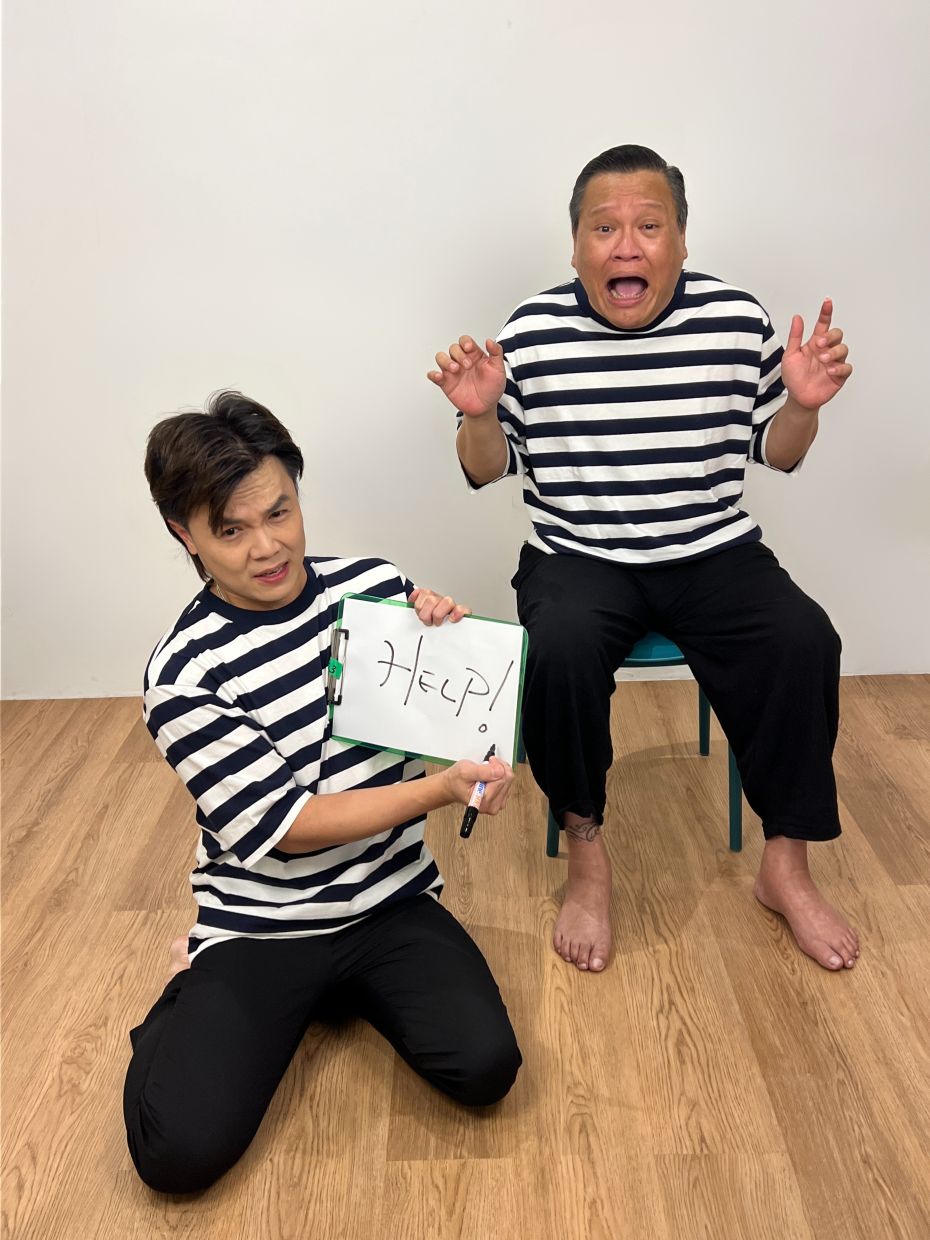
The work concludes with Joy After Silence, inspired by Dean Lundquist’s Joy Of Solitude, which de Silva first directed nearly 12 years ago.
Told through the lens of an elderly man, the story delves into the ache of loneliness leading to a reconnection with his younger self.
For de Silva, this piece represents both continuity and renewal.
“Our version explores how toxic cycles can be difficult and painful, but also how they can be broken.
“What links these seemingly disparate narratives is a sense of reckoning with how people navigate loss, find courage to care, and confront cycles that seem unending.”
At the end of each play, he added, every character, in some way, starts anew.
“We all get second lives when we least expect them.”
Storytelling evolution
This idea of renewal carries into the work’s design, where three movement pieces serve as bridges between the plays, inspired by the Naihe Bridge, a crossing in Chinese mythology which souls must pass before they reincarnate.
These interludes embody the struggle and breakthrough that precede each new beginning, situating the plays not only as stories to be witnessed, but as journeys to be felt.
For de Silva, Sisa-Sisa 2 also reflects an evolution in how he approaches storytelling.
“When I first started in 2001, with Stories For Amah, I used a more conventional approach. I would write the play alone, pass it to the director, and he would direct the actors, and I would come see it during the preview,” he recalled.
Stories For Amah, in which a young de Silva explored themes of identity and belonging, was staged at The Actors Studio Box in Dataran Merdeka, KL in 2002, a venue that has since shut.
Over time, however, that model began to lose its excitement. The turning point came through collaborations with colleagues like Ho Lee Ching and Zhafir Muzani on devised pieces centred on youth issues.
“This was when I discovered the beauty of collaborative theatre, and having multiple voices converge to tell a story, I fell in love with theatre again!”
Collaborative spirit
Today de Silva sees his process as a fusion of both worlds, the solitary writing discipline of his early career and the collaborative techniques he has embraced along the way.
It is also deeply intertwined with his doctoral studies at Aswara (National Academy of Arts Culture & Heritage) in KL.
The collaborative spirit also extends to the way de Silva works with the cast. Sisa-Sisa 2 features Wong, Kathyn Tan, Roax Tan, and Zhafir, with whom de Silva has collaborated with over the years.
“There is a level of trust established, they allow me to experiment. And there is a lot of experimentation in this production,” he said.
“When we further devised the pieces with the actors, we constantly shared stories of real people that were similar to these characters. I allowed them to bring their ideas in, and even other talents to see if it can enhance the play.”
This layering of experiences grounds the three plays in both personal truth and collective resonance, allowing the stories to feel at once intimate and widely relatable.
It is also what gives the cast’s performances their weight, as each actor brings not only craft, but fragments of their own lives into the roles they inhabit.
Deep listening
For the actors, preparing for these roles meant moving beyond “acting” into empathy and deep listening.
“I focused on feeling the emotional truth of their experiences and allowing the rawness to shape my body, voice, and presence on stage,” said Zhafir.
Kathyn echoes this, describing how she sought out real stories to connect with her characters.
“I open my heart and allow myself to truly feel for the character’s circumstances and emotions.”
The ensemble also reflected on how deeply personal these stories have become for them.
For Roax, an exchange between the characters in Joy After Silence carried a powerful reminder.
“When I’m already old, can I still be happy?” – that question lingers with him, shaping his outlook on choices and regret.
“Every choice should feel like the best one at that moment – no regrets allowed!” said Roax.
“We have the ability to make choices for our lives.”
Together, the actors’ reflections underscore how theatre-making and performances become an act of witnessing as much as portraying.
As the year wraps up with a wave of shows, Sisa-Sisa 2: The Forgotten offers a relective side of theatre, going beyond the big noise.
“It is a gentle beckoning to sift through the beauty of ordinary struggles, a reminder of resilience, or to grasp the quiet joy of being alive,” concludes de Silva.
Sisa-Sisa 2: The Forgotten will be showing at Black Box, Damansara Performing Arts Centre (DPAC), Empire Damansara, Damansara Perdana in Petaling Jaya from Oct 2-5. More info here.