Yeoh Jin Leng, a towering figure in Malaysian modern art whose six-decade career in painting, sculpture and teaching helped shape the nation’s artistic landscape and intellectual discourse, died in Selangor last Friday (Aug 8) at the age of 96, the National Art Gallery (Balai Seni Negara) announced.
Born in 1929 in Kampung Pisang, Ipoh, Perak, Yeoh was among the last generation of Malaysian artists born before the war, experiencing the hardships of the Japanese occupation during World War II. When the conflict ended, he resumed his education at Anderson School, Ipoh, completing his secondary studies in 1949 at the age of 20.
He first trained as an English teacher, but his life took a defining turn in 1952 when he earned a place at the Malayan Teachers’ Training College in Kirkby, Liverpool, Britain. This was his first real immersion into the Western world, an experience that would expand his visual perspective.
A Malayan government scholarship later took Yeoh to the Chelsea School of Art in London (1957–1961) and the University of London’s Institute of Education (1962–1963), providing him with the formal artistic grounding that would shape his work.
He was also among the first locally born Malaysians – alongside Syed Ahmad Jamal (1929–2011), Ibrahim Hussein (1936–2009), Abdul Latiff Mohidin, Jolly Koh, Ismail Zain (1930-1991) and Lee Joo For (1929–2017) – to gain an art education at European institutions and colleges.
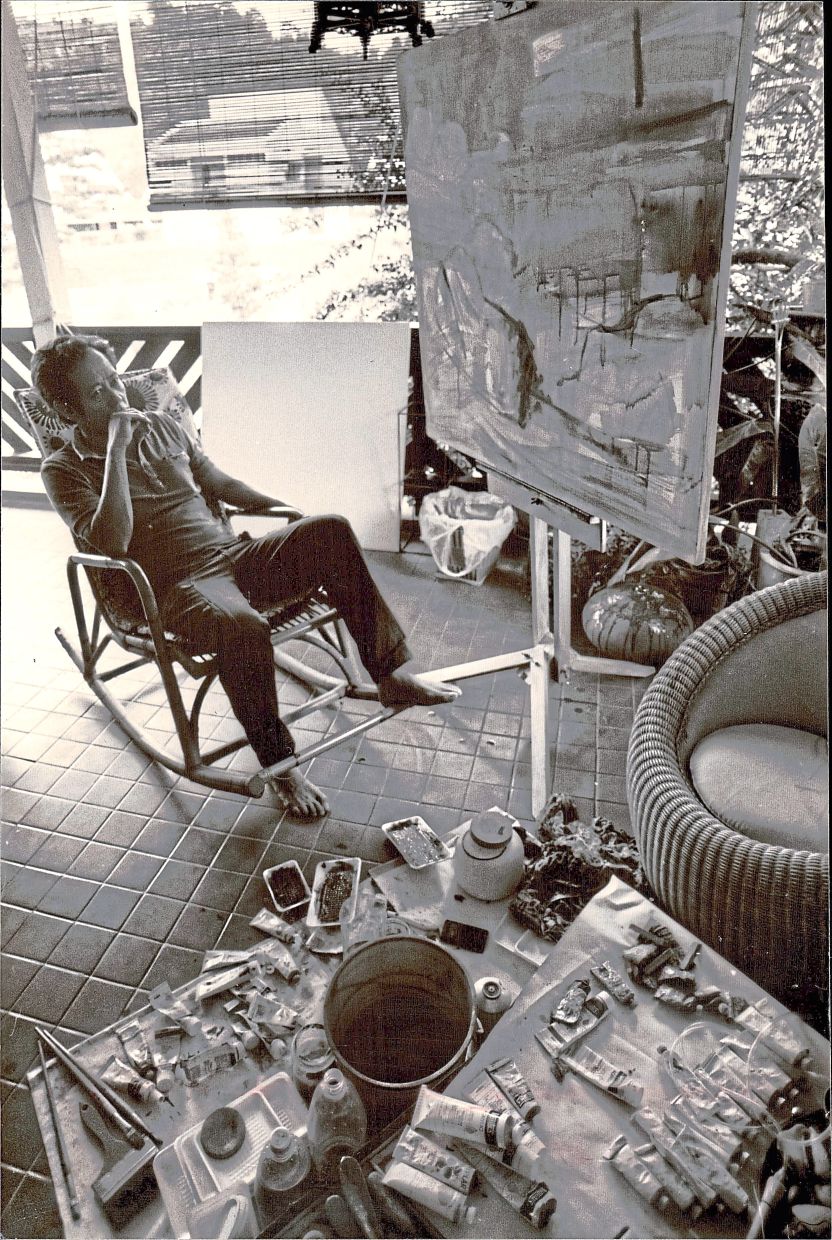
Upon returning home, Yeoh – who at the time worked primarily with oils and acrylics – devoted himself to nurturing the next generation of students, artists and educators.
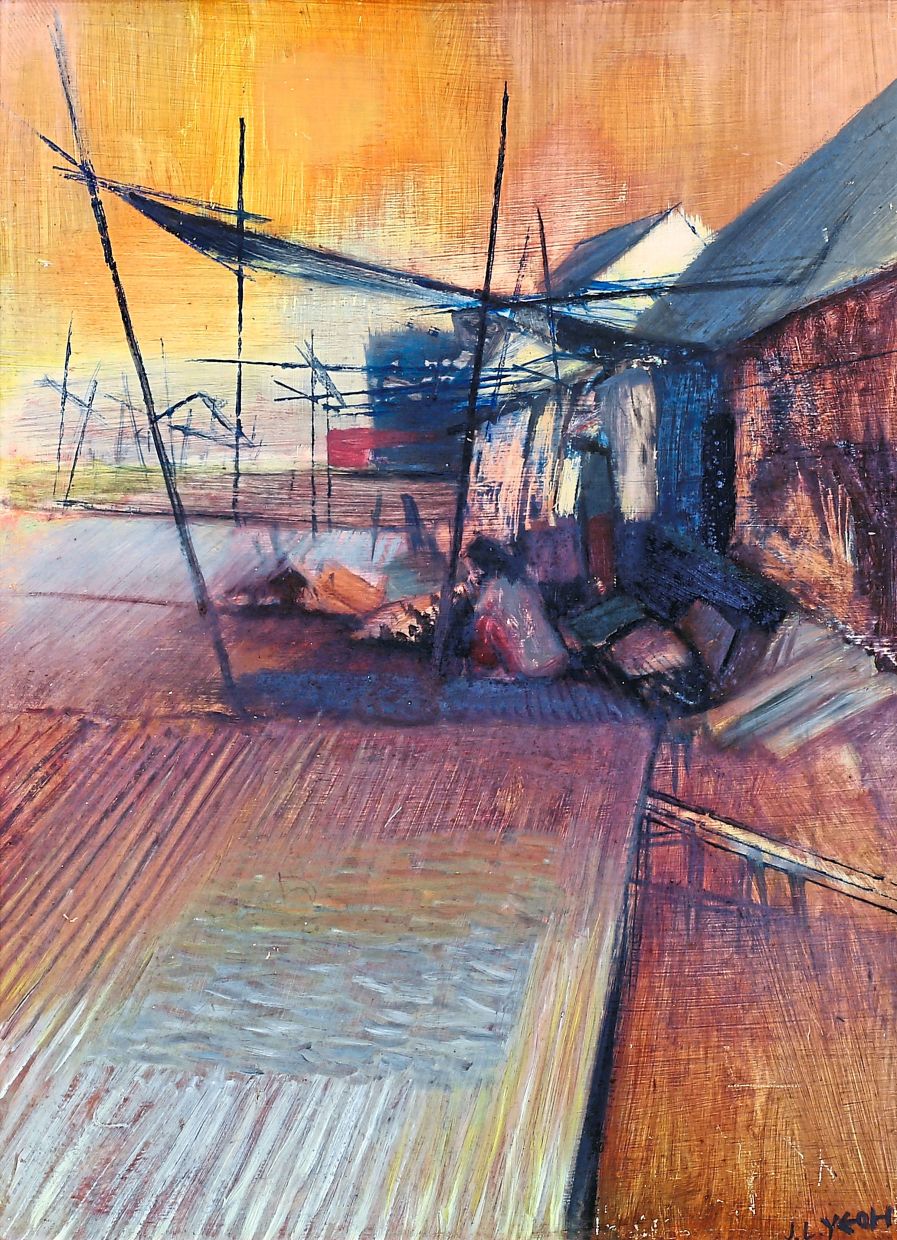
His early 1960s teaching stint at a secondary school in Kuala Terengganu offered the perfect setting for this young Malaysian artist, influenced largely by abstract expressionism, to embrace landscape painting inspired by the rural scenes of the East Coast.
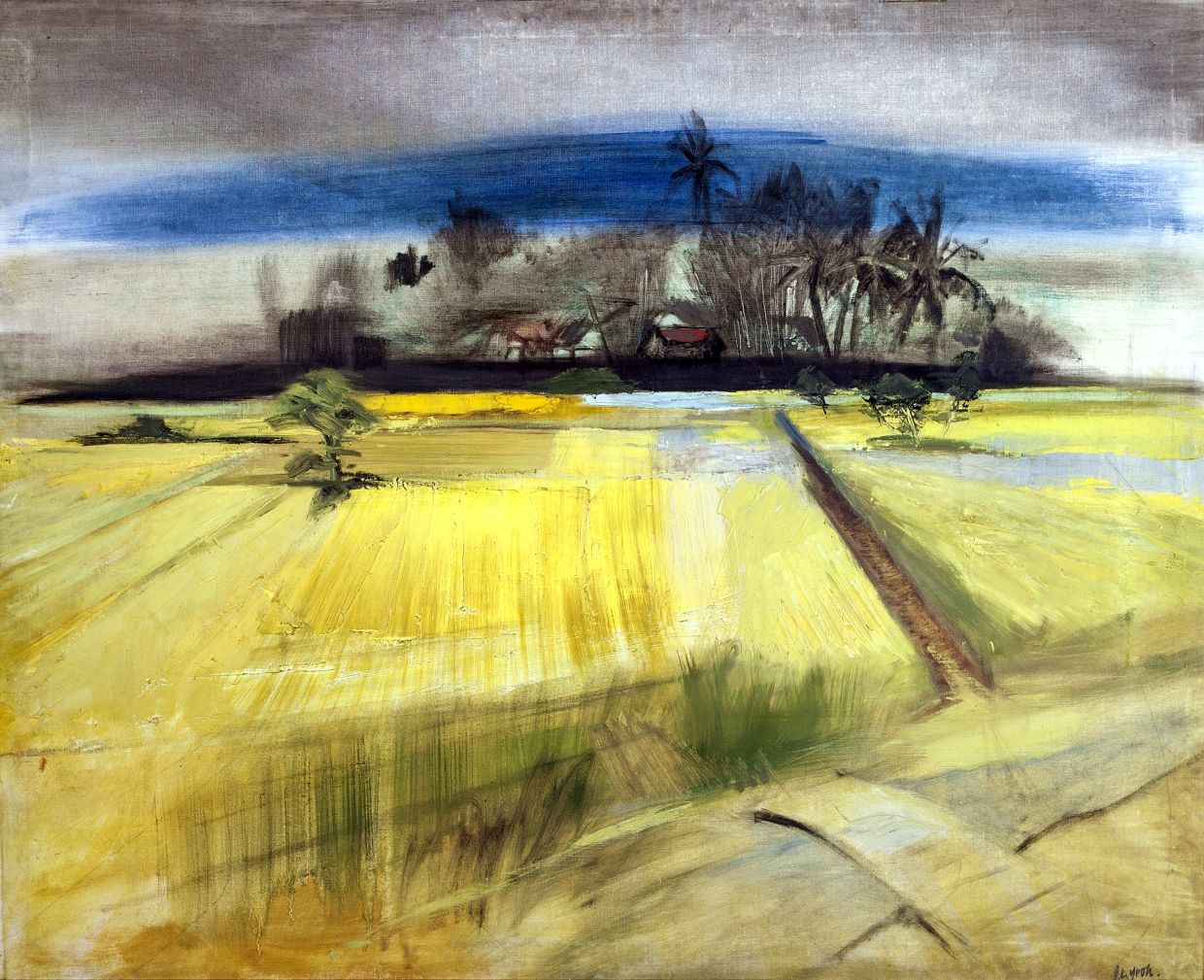
During his Terengganu years, he produced a series of oil-on-canvas landscape works that continue to light up national galleries and exhibitions today. The classic Trenggan (1968), a crimson-based abstract, is part of the National Art Gallery collection, while the Malaysian art history staple Rice Fields (1963) showcases Yeoh’s powerful brushstrokes and masterful sense of space and atmosphere.
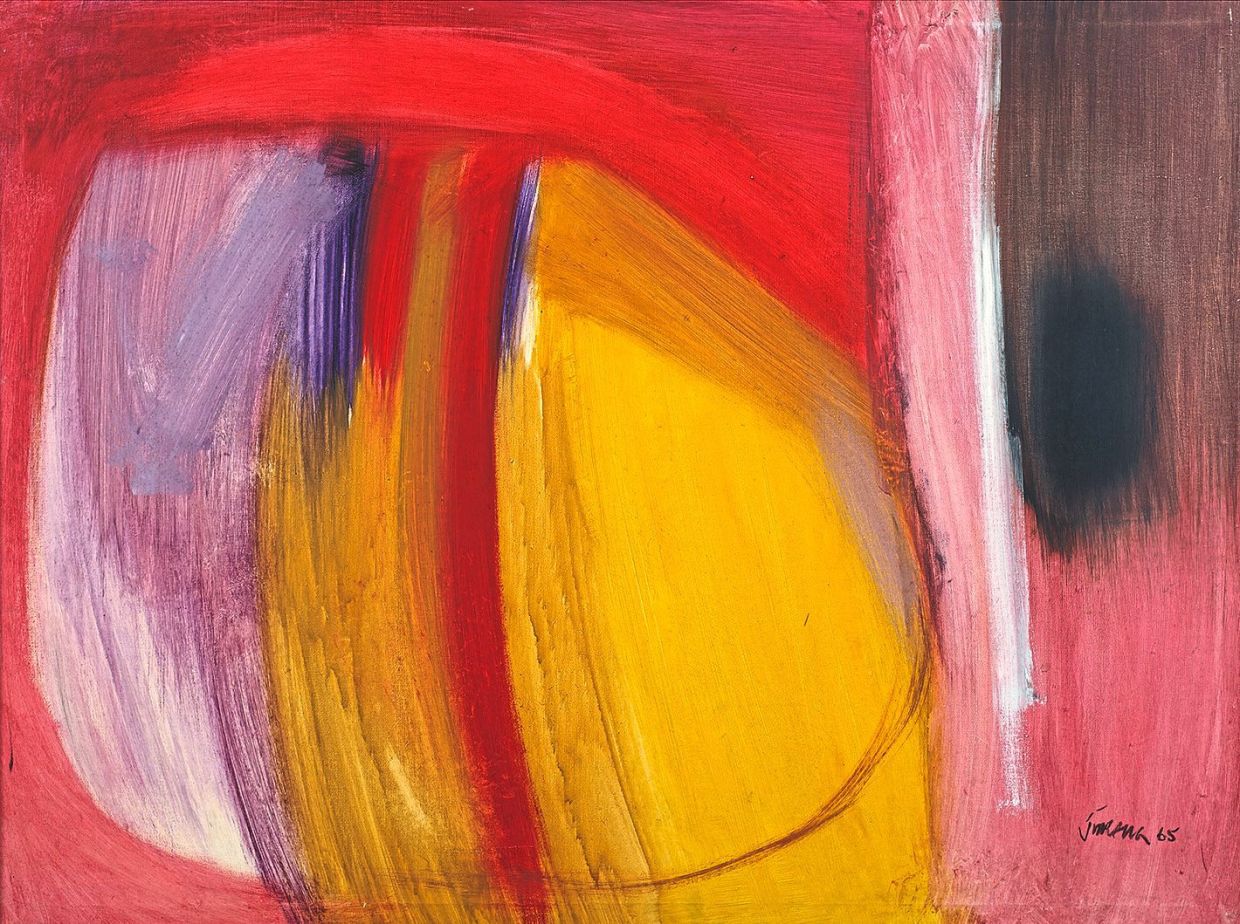
Yeoh, who made his entire life a creative endeavour, held a unique place in the Malaysian scene, bridging young and ambitious art movements while laying the groundwork for cultural strategy through his dual roles as artist and educator.
Beyond the paintbrush, Yeoh was a dedicated and forward-thinking teacher, lecturing in art education at the Specialist Teachers’ Training Institute (1963–1968) before heading its Art Education Department in Cheras, Kuala Lumpur (1969–1983). He co-founded and served as vice-president of the Malaysian Artists’ Association (1982–1984), and later was Dean of Studies at the Malaysian Institute of Art (1985–1994).
His mission was to advocate for art as a vital form of education.
Despite retiring from the civil service in 1983, Yeoh hardly slowed down, dedicating more time to ceramics and pottery – a craft he had been interested in since his Chelsea days, influenced by Bernard Leach, the father of British studio pottery.
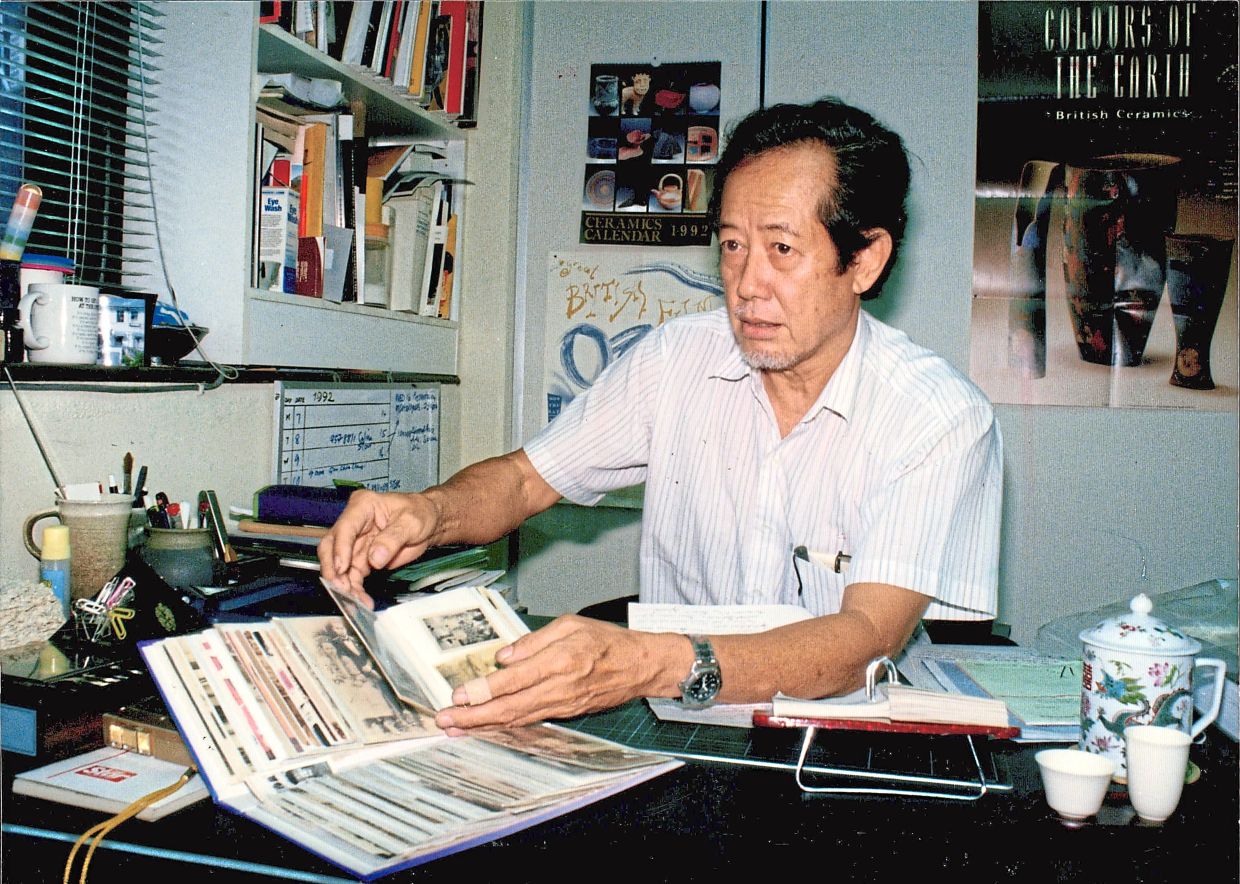
In this phase, Yeoh displayed remarkable consistency, research depth, and a refined mastery of colour, evident in the 1984 Ecology series, which draws on South-East Asian symbolism and nature.
His pottery also found an audience in KL exhibitions such as Two Malaysian Potters (1984), Clay As Expressive Medium at the National Art Gallery (1989), the Clay, Cloth And Wood group show (1990), and Earthscapes – Clayworks (1992).
A long-awaited career retrospective - Art And Thoughts: 1952-1995 - at the National Art Gallery in 1996 cemented Yeoh’s standing as one of the nation’s foremost artists and thinkers, showcasing his expansive repertoire in painting, ceramics and sculpture.
In the ensuing years, the well-travelled Yeoh continued to make art and travel extensively – a passion since his youth – following backpacker trails through Thailand, Laos, Cambodia, Indonesia, India and China.
In travel, he found fresh inspiration, with his "Dancing Apsaras" series reflecting the grandeur of Angkor Wat murals.
Explorations also opened new horizons for Yeoh, who studied traditional native art and avidly collected indigenous arts and crafts. In 2006, he curated and exhibited his personal collection in Kuala Lumpur, featuring textiles like pua kumbu, ceremonial cloths, shawls, and other works from Malaysia’s tribal communities and the wider region. He was also deeply interested in flora and fauna conservation.
In 2017, Yeoh’s work was prominently featured in Ilham Gallery’s Gerak Rupa Ubur Penyataan 1957–1973 exhibition, which revisited the era-defining Grup exhibition in KL in 1967 and traced the rise of modern art in 1960s Malaysia.
Yeoh is survived by his five children.