
COP31 ended with no consensus on transitioning away from fossil fuels
Nov 20 – the scheduled final day of the 12-day COP31 – came and went without a final resolution.
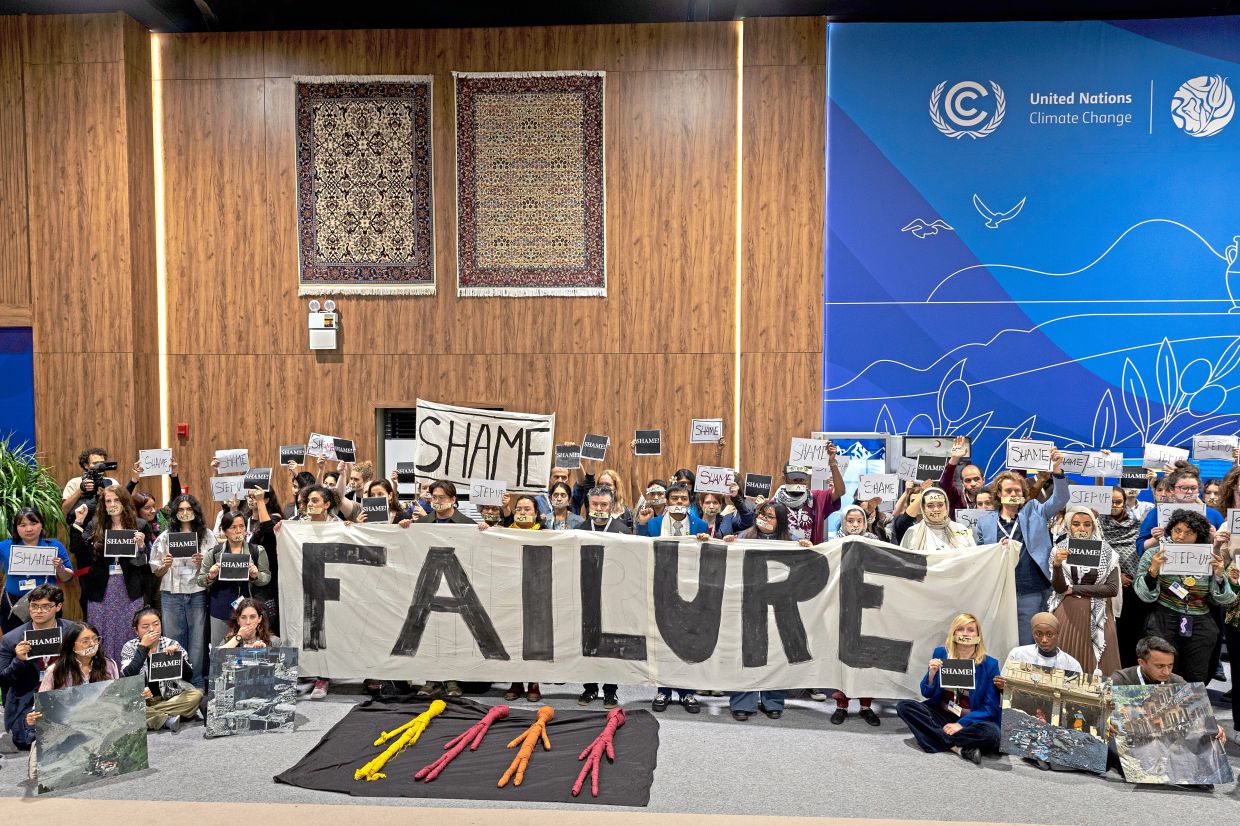
Negotiations at the 31st Conference of the Parties to the United Nations Framework Convention on Climate Change (UNFCCC), held in Antalya, Turkiye, ran into overtime as countries remained deadlocked over a new global climate deal.
Some countries were up in arms over a revised draft deal on Nov 19, which had dropped the mention of fossil fuel and weakened the language on electrification and adaptation finance, compared to the first draft on Nov 16.
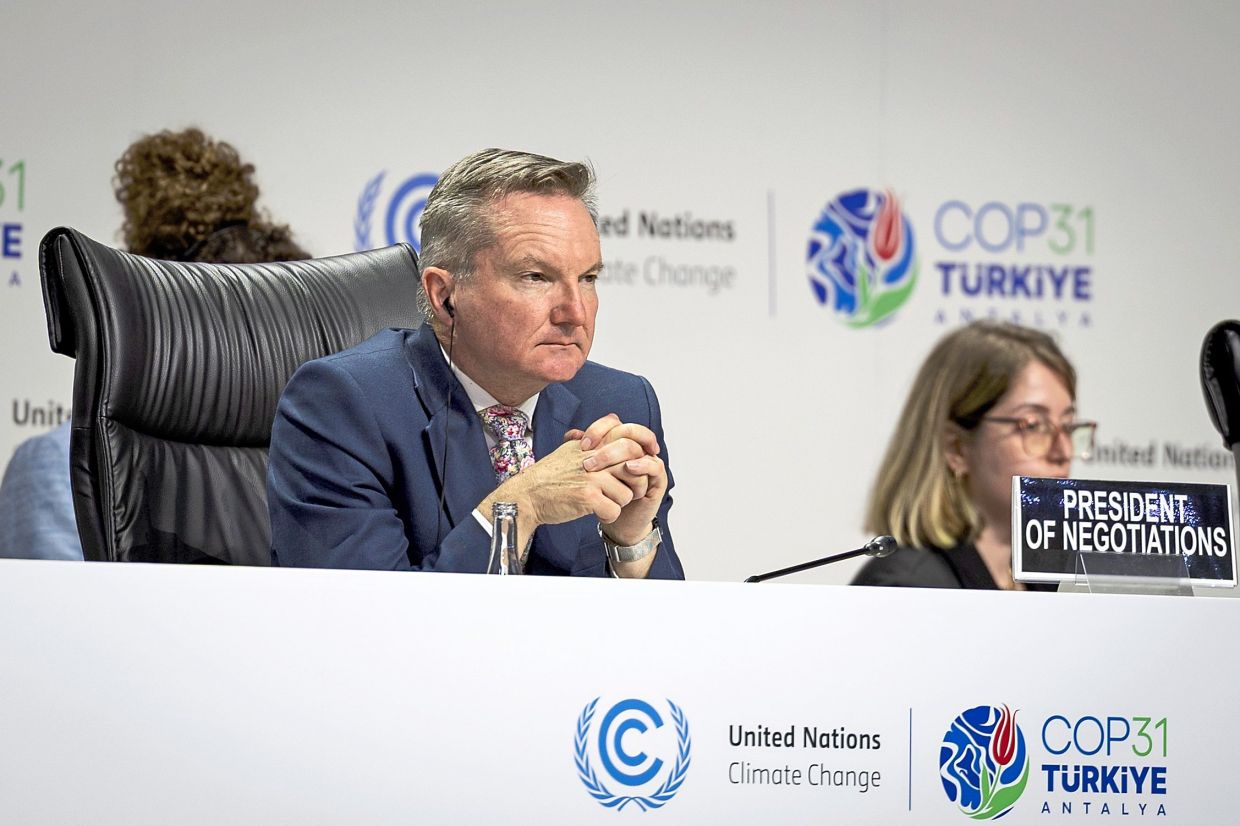
“This is my fifth COP. No COP I’ve been to has been easy. No COP I’ve been to has reached agreement immediately or even at the second go. This is a consensus party-driven process,” COP31 president of negotiations Chris Bowen told journalists last Friday.
Pressed to comment on the removal of fossil fuel reference, Bowen said there had always been a fossil fuel discussion at COPs.
“It was in Belem, it was in Baku. This was and is a COP about whether we choose to deal with the overshoot or not, and whether we choose to electrify or not, I think the answer to both those questions should be yes.”
The deadlock continued through Saturday and into the early hours of Sunday.
On Nov 22, COP31 ended without adopting the Antalya Pact. Nearly 200 nations have failed to reach an agreement on establishing a stronger pathway away from coal, oil and gas.
UN secretary-general Antonio Guterres said he is “deeply disappointed”.
“I share the very profound frustration of all those who expected governments to rise to the moment the climate crisis demands.
“There may be no consensus in the negotiating room, but there is no ambiguity in the science. The take-home message from COP31 is clear: The world must do much more to confront the climate crisis.”
Big Tobacco’s playbook
As global temperatures continue to break records and greenhouse gas emissions remain elevated, the world is on track to overshoot the 1.5˚C warming limit set under the Paris Agreement adopted at COP21.
At COP31, the European Union and others pushed for stronger commitments to phase out coal, oil and gas, while some countries like Saudi Arabia and its allies sought to protect fossil fuel interests. This highlighted the deep division that continues to derail global climate action.
“Fossil fuels are driving the climate crisis,” Guterres said. “The continued addiction to coal, oil and gas is fueling climate chaos, exposing economies to price shocks, and undermining energy security.”
“We can’t put out the fire while pouring fuel on it.”
He commented that powerful fossil fuel interests continue to “take a page from Big Tobacco’s playbook”, distorting the science, delaying policy, blocking action and piling up huge profits while people everywhere pay the price.
He called on nations to build on the roadmaps advanced by the Brazilian COP30 Presidency on transitioning away from fossil fuels and reversing deforestation and forest degradation.
“To limit the magnitude and duration of the 1.5-degree overshoot, we need deep and rapid emissions this decade.
“Major emitters must lead. Developed countries must deliver on finance. And every country must do their part.”
Accelerating electrification
While COP31 concluded without an overarching political agreement, several technical decisions were adopted, alongside various voluntary initiatives and financial commitments.
UN Climate Change executive secretary Simon Stiell said COP31 has delivered real progress and concrete results, landing solutions across the conference’s six axes.
Individual country pledges have shown that around half the global economy is accelerating electrification, he added in his closing remarks.
The COP31 Global Climate Action Agenda Electrification Delivery Package was presented on Nov 19 in support of the global opportunity of an electrified economy.
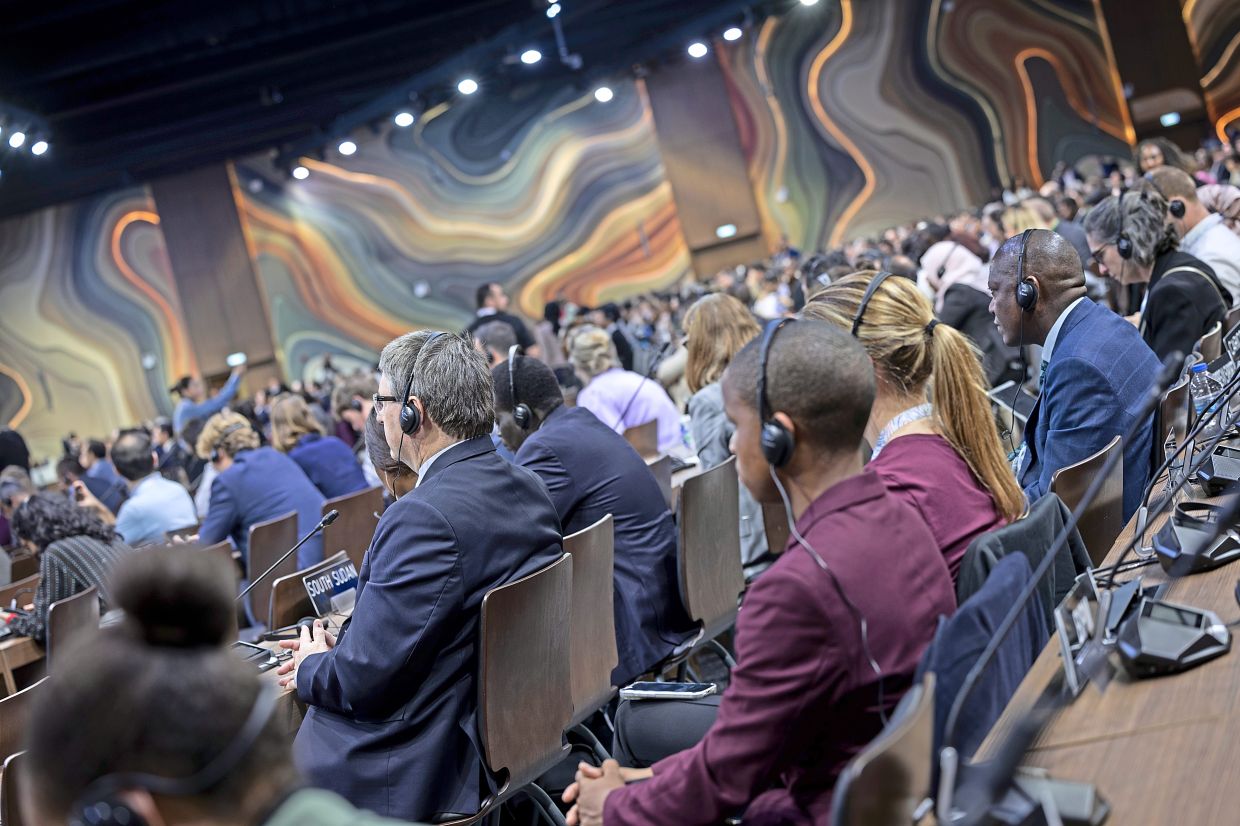
Consolidating results and announcements shared by over 150 countries and the European Union, 37 cities and more than 260 businesses across six continents, the package brought together billions in clean energy investment plans, stronger grids, expanding electricity access and progress in electrifying transport and industry.
A total of 75 countries have announced their support for Turkiye’s 35x35 target to increase electricity’s share in total energy consumption to 35% globally by 2035.
“Electrification is a huge efficiency booster, helping bring down greenhouse gas pollution and energy costs, and tackle grave injustices in energy access,” Stiell said.
Developed countries shift burden onto Global South
While the Antalya Pact collapsed, parties at COP31 still managed to adopt decisions across several mandated negotiating tracks, said Penang-based research and advocacy organisation Third World Network (TWN). “However, their diluted outcomes reflect persistent resistance from developed countries and fall short of the needs of the developing countries to implement their climate actions,” its deputy executive director and climate change programme head Meena Raman told StarESG from COP31.
She said TWN understood that Malaysia also shared the concerns of other developing countries, including India, China and Egypt that the cover decision draft texts introduced new, top-down global targets without commensurate means of implementation, and that transitioning away from fossil fuel in the cover decision goes beyond the mandate.
“Throughout the negotiations, developed countries maintained a pretense of high mitigation ambition while shifting the transition burden onto the Global South – demanding rapid fossil-fuel phase-outs abroad even as they expand domestic production.
“At the same time, they demonstrated little ambition on climate finance, a mandatory legal obligation under Article 9.1 of the Paris Agreement that cannot be fulfilled through endless talkshops and non-binding roadmaps,” she said.
Without dedicated public finance, proposals such as the 35x35 electrification target remain mere numbers on paper, she added, while acknowledging an overshoot of the 1.5°C limit must not become a pretext to open the door to large-scale carbon dioxide removal and corporate-driven false solutions.
“Moving forward, Malaysia should continue to serve as an active, principled voice for the Global South on the international stage – upholding Common But Differentiated Responsibilities and Respective Capabilities (CBDR-RC) and rules-based multilateralism, while accelerating and implementing concrete climate actions at the domestic level,” she said.