Vilnius: The European Central Bank (ECB) will almost certainly deliver a second interest-rate hike in the coming week, throwing the focus onto how open officials are to a third step later in the year.
In a move set to reaffirm the ECB as the most hawkish central bank among the Group of Seven (G7), a quarter-point increase on Thursday has been widely signalled, suggesting the debate is already shifting to the need for another one.
Fresh from their long summer break and armed with new quarterly forecasts, policymakers in a region still highly dependent on energy imports are confronting both the persistence of Middle East hostilities and renewed increases in fuel costs.
Recent data showed eurozone inflation jumped in August to 3.3%, the fastest pace in almost three years and noticeably above the 2% target.
In contrast to the US Federal Reserve, whose relatively sanguine view on inflation may be tested by consumer-price numbers in the coming week, the ECB has been unambiguous about the need to tighten pre-emptively.
Evidence of resilient growth may bolster that view.
Recent eurozone inflation data offered some comfort, though, with an unexpected slowdown in the so-called core measure.
But officials seem in no mood to take chances, not least after criticism for their delayed reaction to the 2022 cost-of-living shock.
The debate over a third hike may prove finely balanced.
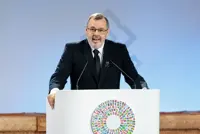
While Gediminas Simkus, Lithuania’s central bank governor, speculated that a September hike won’t be enough, Bundesbank chief Joachim Nagel was wary in offering clues.
Investors are largely pricing in a hike for December, even as most economists have suggested Thursday’s tightening will be the last for now.
That consensus is showing signs of shifting, though, with analysts at JPMorgan, Societe Generale and BNP Paribas all changing their forecasts in recent days to predict such a step.
“With a hike this week having been widely telegraphed by the Governing Council already, its hints about the next move may garner the most attention,” said Bloomberg Economics.
“Amid the renewed volatility in oil markets and surging gas prices, the hawks will undoubtedly push for another increase in December.
“However, the tightening of financial conditions and limited signs of indirect effects from the energy shock create significant hurdles for them,” said Bloomberg Economics. — Bloomberg