GEORGE TOWN: The Penang Port Commission (PPC) has implemented a new Standard Operating Procedure (SOP) for the management of ship-generated waste at Penang Port as part of efforts to strengthen environmental protection and support the port's Green Port Policy.
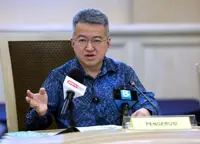
PPC chairman Datuk Yeoh Soon Hin said the SOP would ensure that the handling of all ship-generated waste at port terminals is carried out in a standardised, safe and legally compliant manner, while supporting the port's transition towards low-carbon and more sustainable operations.
"This port circular has been issued to set out the SOP, ensuring uniformity, compliance with relevant laws and smooth operations in handling ship-generated waste at Penang Port," he said in a statement today.
He said all waste management companies intending to operate must obtain a valid licence from PPC and secure approvals from the Department of Environment, National Water Services Commission (SPAN), Royal Malaysian Customs Department and relevant local authorities before commencing operations.
Yeoh noted that licensed operators are fully responsible for ensuring that waste handling activities are carried out safely, systematically and in accordance with the conditions stipulated in the circular.
He explained that the SOP categorises ship-generated waste into three groups, namely scheduled waste from ships, domestic waste (including dunnage) and sewage waste from ships.
He said each operator is required to verify the quantity of waste with the vessel and submit declaration documents, such as disposal or discharge notes, to PPC and relevant agencies after completing operations.
Yeoh said the initiative is in line with Transport Minister Anthony Loke's Green Port aspiration, strengthening controls over waste disposal, reducing the risk of marine pollution and promoting responsible waste management and recycling practices.
"By mandating licensing, waste quantity verification, post-operation reporting, and the use of approved disposal facilities, PPC reinforces mechanisms for pollution prevention and continuous environmental monitoring," he added.
Yeoh said PPC would continue to monitor implementation, enhance compliance through inspections and audits, and encourage the adoption of technology and best practices that support waste reduction and increased recycling. - Bernama