AS Malaysia moves forward with electricity market reforms, new mechanisms should also be implemented to provide market participants greater clarity, confidence and consistency, says the Malaysian Photovoltaic and Sustainable Energy Industry Association.
Its president, Justin Sim, said continued refinement of the Corporate Renewable Energy Supply Scheme (CRESS) and System Access Charges (SAC) can strengthen renewable energy uptake, sustain investor confidence and build a more competitive and resilient energy future.
"The introduction of SAC, including the differentiated structure for firm and non-firm supply, is a progressive step that encourages grid-friendly solutions such as hybrid renewable energy systems with energy storage.
"This distinction is a positive signal to the market as it incentivises investments in firming capacity such as battery energy storage systems, which are critical for grid stability," he said.
His remarks came following the call by the Energy Transition and Water Transformation Ministry (Petra) for domestic and non-domestic consumers to boost energy self-sufficiency and cushion the impact of electricity price volatility amid the global energy crisis.
Petra said various procurement models are available to non-domestic consumers through solar panel installation companies, enabling access to renewable energy without upfront capital.
Sim said Malaysia’s transition to a more open and competitive electricity market will be critical to accelerating renewable energy adoption and strengthening the country’s investment appeal.
"MPSEA remains committed to engaging constructively with relevant stakeholders to support the continued refinement of CRESS and SAC.
"We also emphasise the importance of greater transparency in the SAC methodology and cost components.
"Improved clarity would support developers, investors and corporate offtakers in making more informed decisions while strengthening investor confidence.
"This is particularly important as Malaysia continues to position itself as an attractive destination for renewable energy investments, including in high-growth sectors such as data centres and advanced manufacturing," he said.

Edmund Loo, who operates a solar panel installation firm, said they support the government’s move as rooftop solar is a practical way to improve energy self-sufficiency and reduce exposure to uncertain electricity costs.
"For the domestic segment, adoption can be further accelerated through temporary targeted support. The government may consider additional incentives to improve payback, as well as exempting residential battery energy storage systems from SST at importation to encourage greater energy resilience and better use of solar generation.
"With rising electric vehicle adoption, people working from home, and frequent heatwaves, rooftop solar should be encouraged as a practical hedge against higher electricity costs.
"It may also help reduce heat absorption on the roof and lessen indoor heat build-up during hot weather," he said.
Loo, who is a former elected committee member, said businesses can tap existing enablers such as Green Investment Tax Allowance (GITA), Low Carbon Transition Facility for eligible SMEs and zero-capex models such as solar leasing or rent-to-own.
"To speed up adoption, the government can increase the rooftop solar capacity limit for non-domestic users beyond the current 1,000kW threshold, subject to technical and grid considerations.
"Malaysia should view rooftop solar not only as a renewable energy initiative but as part of a broader energy resilience strategy.
"The direction is right. The next step is to make adoption faster, more investable and more impactful," he said.
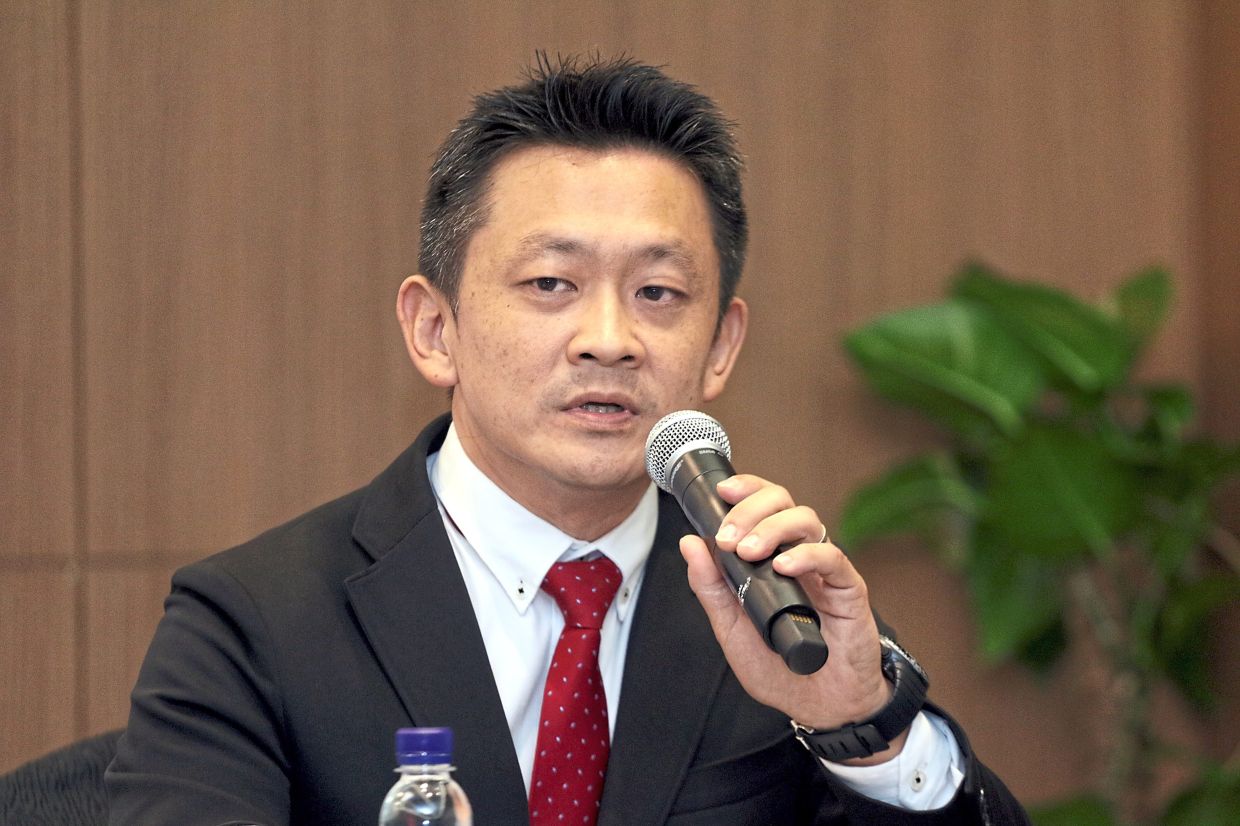
"The challenge is no longer policy direction but execution speed. Without immediate improvements in implementation efficiency, Malaysia risks missing the critical window to translate strong policy into real economic, industrial, and energy security gains.
"Malaysia is not starting from zero. We have mechanisms such as the Community Renewable Energy Aggregation Mechanism, CRESS and rooftop solar pathways, which continue the momentum of the Net Energy Metering framework," he said.
MPSEA also said energy security can no longer be assumed as countries that remain dependent on imported fuels are increasingly exposed to price volatility, supply risks and external shocks.
"For Malaysia, accelerating renewable energy deployment is not only a sustainability priority but a strategic necessity to reduce exposure and strengthen long-term resilience," it said.