BERLIN: Germany can impose more than €60bil in cost cuts in its healthcare system by 2030 with measures such as restricting doctors’ pay, reining in drug costs and shifting the financing for welfare recipients.
The initiatives are part of a menu of 66 options for Chancellor Friedrich Merz’s government that were formulated by a commission of health experts and economists to control rising costs in Germany’s public health insurance system.
Authorities will now decide which measures will best address a fiscal gap that’s estimated to grow to €40bil by the end of the decade.
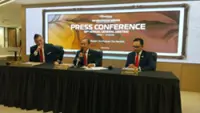
“The goal is to stabilise the finances and put a stop to the upward spiral of premiums,” Health Minister Nina Warken told reporters in Berlin on Monday. “Revenue and expenditures must once again be brought into sustainable balance.”
The ministry will roll out a policy package “very soon” to take effect from next year, she said.
Addressing soaring health costs in Europe’s No. 1 economy is a central element of a broader reform package promised by Merz’s coalition that aims to restart Germany’s economy and restore competitiveness.
Merz’s conservatives and the Social Democrats are in negotiations over the reforms as they aim to close a budget gap of as much as €140bil by the end of the legislative period in 2029.
Health policy fixes have been among the most politically sensitive since Merz took office in May of last year.
A proposal to restore fees for doctors visits sparked a public backlash, and the Chancellor drew criticism earlier this year for suggesting clinics stop offering sick notices over the phone.
Warken and other coalition leaders have promised that an overhaul in health spending won’t fall primarily on the insured.
She views the commission’s nearly 500-page report as a “toolbox” that her ministry would analyse and choose from, she said.
Among the biggest savings measures are a proposal to tie increases in fees and remuneration in the sector to insurers’ revenue, a move that could save more than €16bil by the end of the decade.
Another initiative would expand rebates offered by manufacturers of patented pharmaceutical drugs in line with higher expenditures, which could produce cumulative savings of €5.2bil, the commission said.
The expert group said that if the federal government took over the financing needed to cover recipients of welfare benefits, currently funded by state-backed insurers, it would free up €12bil in the health insurance sector.
Other options include revenue generating initiatives such as taxes on tobacco, alcohol and sugar products.
Some 90% of Germans are covered by state regulated insurers financed by contributions divided between employees and employers, and supplemented by an annual transfer from the federal budget. About a 10th of Germans are privately insured. — Bloomberg