
LABUAN Bajo in Indonesia has entrenched itself as a must-visit destination for nature and wildlife lovers, with many dubbing it the next Bali.
Blessed with pristine natural wonders and abundant local species, Labuan Bajo has all the trappings to become the next big destination in the region.
Nestled on the pearlescent shores of Indonesia’s Flores Sea, the area serves as a gateway to Komodo National Park – home to the world-famous Komodo dragons. It also boasts notable local attractions such as Mirror Stone Cave and Melo Village.
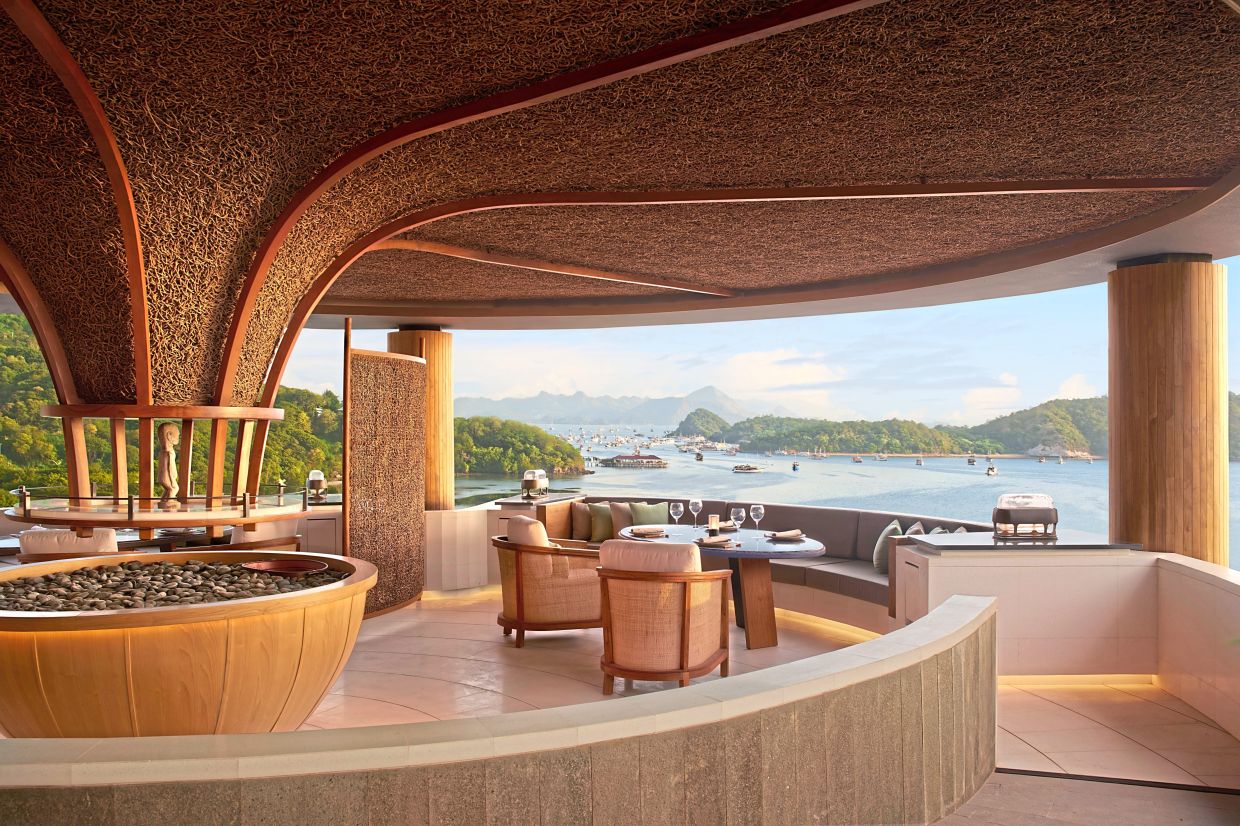
Its appeal has attracted hospitality brands such as Marriott International which opened the Ta’aktana resort in June, offering a fusion of luxury, culture and adventure. It is the first Luxury Collection Resort in Labuan Bajo and only the second in Indonesia.
A vision realised
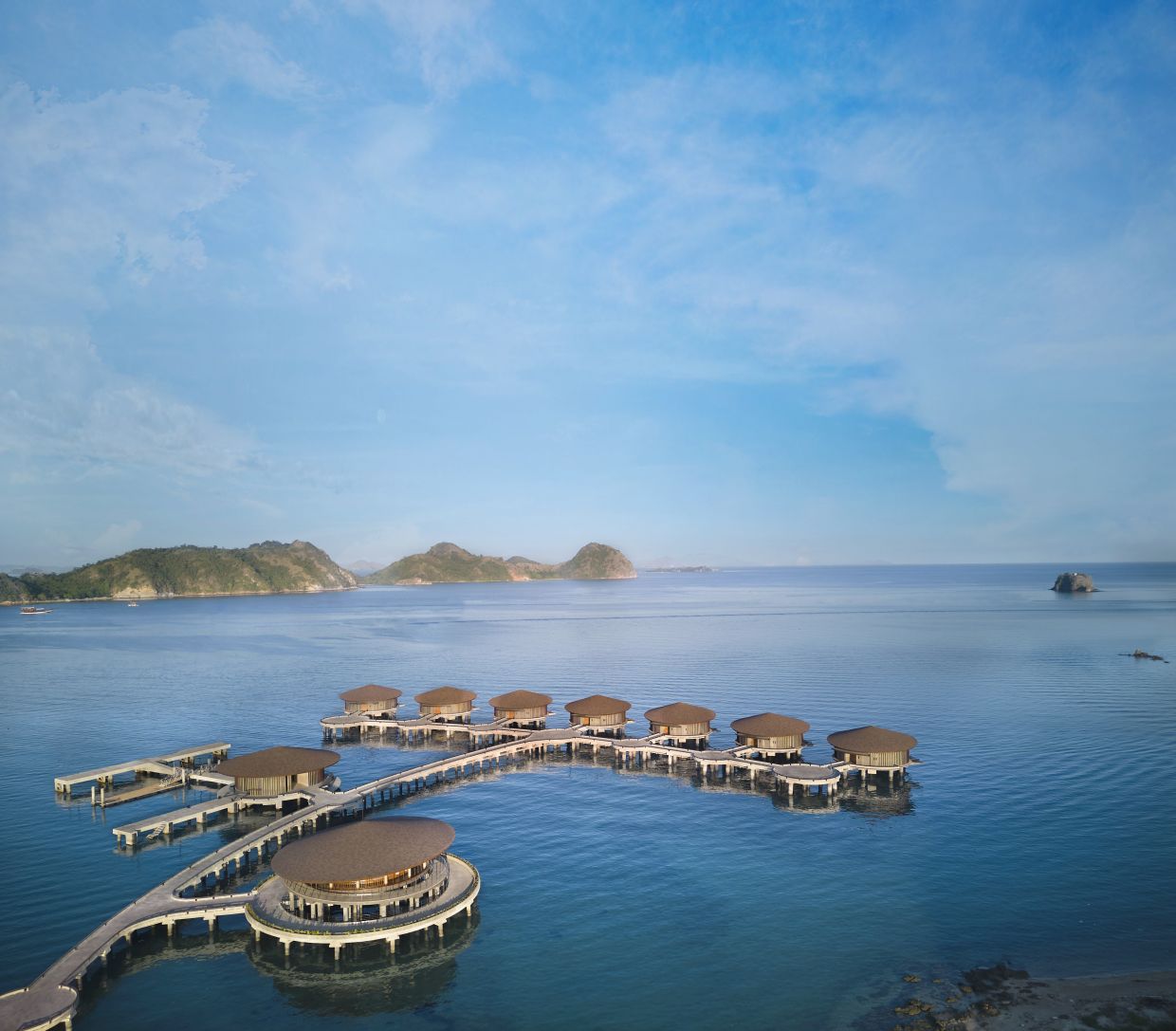
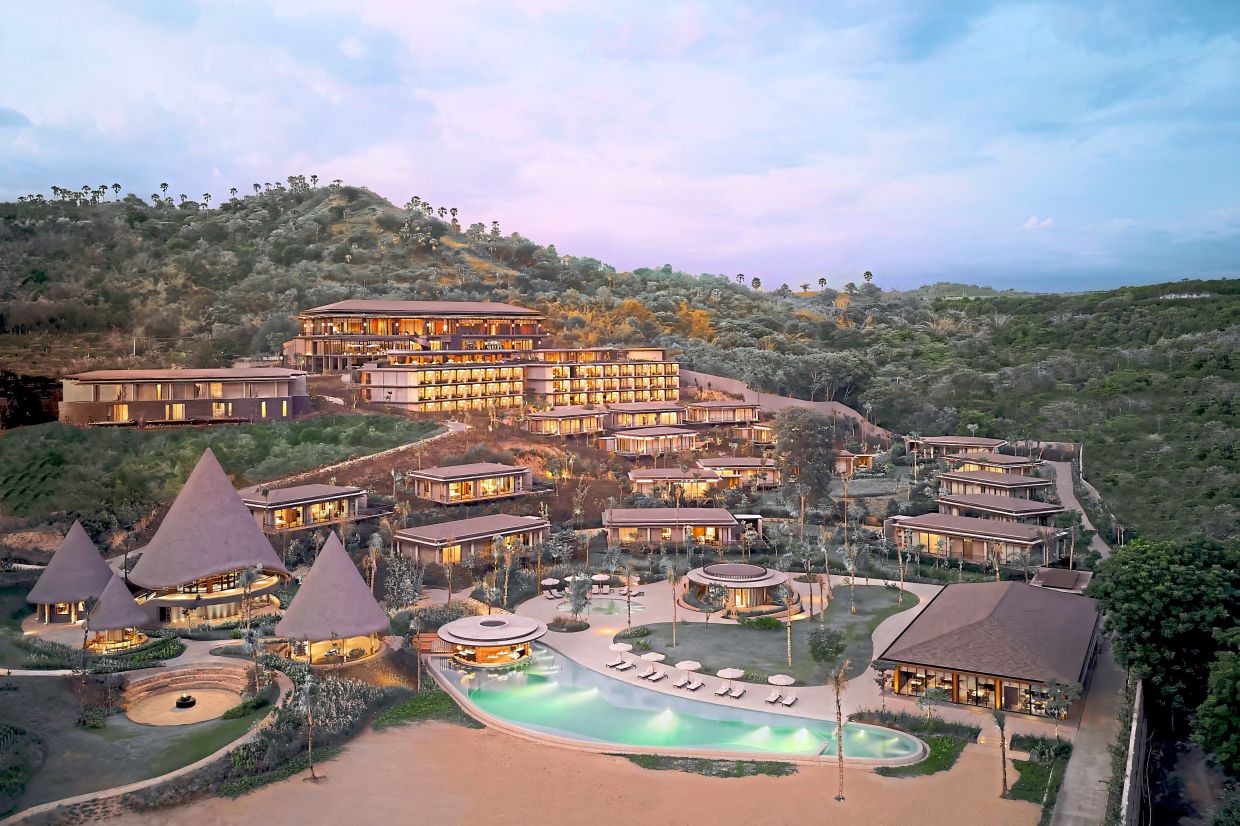
Set against Labuan Bajo’s pristine coastline, the breathtaking retreat combines modern luxury with authentic Indonesian culture. It boasts 70 elegantly appointed guest rooms – 25 villas and 45 suites – with private outdoor balconies offering sweeping views of the surrounding natural beauty.
According to Ta’aktana resort manager Peter-Paul Kleiss, the idea for the luxury resort is rooted in creating something truly extraordinary in Labuan Bajo.
“This resort is a homage to the beauty of Flores and a commitment to cultural preservation. It’s more than just a resort; it serves as a bridge between tradition and the future, woven into the essence of East Nusa Tenggara.”
The response and interest in the destination and resort has been encouraging, says Kleiss.
“We honestly couldn’t have wished for it to be any better.
The feedback has been truly wonderful, and the resort stands out with its unique offerings and positioning.”
Kleiss explains that some of the must-see spots in Labuan Bajo include the Unesco World Heritage site, Komodo National Park, and the Pink Beach and Padar Island, both offering incredible marine activities.
For those who prefer land adventures there is also the Wae Rebo Village, recognised for its cultural heritage conservation by Unesco Asia Pacific.
“It is a must-visit to experience the beautiful Manggarai culture,” adds Kleiss.
“Closer to our resort, Todo Village is absolutely worth a visit, as are the Cunca Wulang waterfalls, Rangko Cave and Batu Cermin. These places are easily accessible from Ta’aktana. There are also hiking trails that lead to breathtaking sunrises and stunning sunsets.”
Connecting paradise
Good connectivity has also contributed to Labuan Bajo’s rise. It is accessible via direct flights from Bali, Jakarta and recently Kuala Lumpur (KL) as well.
In September, AirAsia inaugurated direct flights from KL to Komodo International Airport, making the journey to this tropical haven faster and easier.
In just four hours, travellers from Malaysia can arrive at Labuan Bajo, with Ta’aktana a mere 10-minute drive from the airport.
“Given the growing interest and with KL quickly emerging as a mega-hub for low-cost carriers, launching this direct route is a natural step for us,” explains AirAsia Malaysia head of commercial Liyana Mahizzan.
“We are also proud to be the first international airline offering direct flights from KL to Labuan Bajo. This route is a significant milestone for AirAsia as we continue expanding across Asean,” she adds.
Liyana says that as a group, AirAsia already connects Labuan Bajo with Jakarta and Bali.
“We have seen tremendous demand since those routes were launched with a wide mix of travellers such as eco-tourists and cultural explorers,” she adds. “Tour operators and travel agents are also excited about its growing popularity in the international market.”
Liyana opines that flying direct from KL, reduces both time and cost, thus bolstering the appeal of the destination.
“Our Fly-Thru service also makes Labuan Bajo even more accessible. We are already seeing bookings by guests from Singapore, Germany, the United States, the United Kingdom, Sri Lanka and Austria.”
Sustainable travel
As a rising new destination, Labuan Bajo is undoubtedly on many travellers’ radar. The question of over-commercialisation does crop up.
Fortunately there are plans to help maintain the authenticity of the place. Kleiss says the resort thrives on local collaborations with artisans and vendors, embracing a circular economy to preserve the beautiful island.
“Ta’aktana was built on the pillars of cultural heritage as well as human and environmental sustainability,” he explains. “Even before the resort opened, we launched our own beach clean-up initiative and we continue to actively organise clean-ups alongside local authorities and communities.”
The resort has, thus far, also donated 120 pairs of shoes to local schools and installed solar-powered water pumps in nearby Tasinifu to provide clean and safe water to the village.
“Our other efforts include a no-plastic policy at the resort, water waste management and our own coffee roastery, highlighting indigenous Manggarai coffee and its farmers – some of the best quality in the archipelago,” he adds. The resort recently celebrated the first harvest of its Kebunku Garden.
AirAsia also remains confident of maintaining strong load factors for the route.
“Labuan Bajo is an increasingly popular destination, not only with travellers from Malaysia and Indonesia but from across the region,” notes Liyana.
“The demand for sustainable and adventure tourism is growing. With over 4,000 seats available weekly on this route, we expect to create a positive economic impact for local communities in both Malaysia and Indonesia.”
Already a subscriber? Log in
Get 20% OFF The Star Digital Access
Cancel anytime. Ad-free. Unlimited access with perks.




Labuan Bajo is located on the westernmost tip of the Island of Flores, Indonesia. – Photos: Ta’aktana
Labuan Bajo is located on the westernmost tip of the Island of Flores, Indonesia. – Photos: Ta’aktana
Local villagers perform the Caci, a heroic dance of the Manggarai tribe.
Kleiss: The resort serves as a bridge between tradition and the future, woven into the essence of East Nusa Tenggara.
Pink Beach, also known as Pantai Merah, is a renowned attraction on Komodo Island.
Ta’aktana is the first Marriott International property in Labuan Bajo and only the second Luxury Collection Resort in Indonesia.
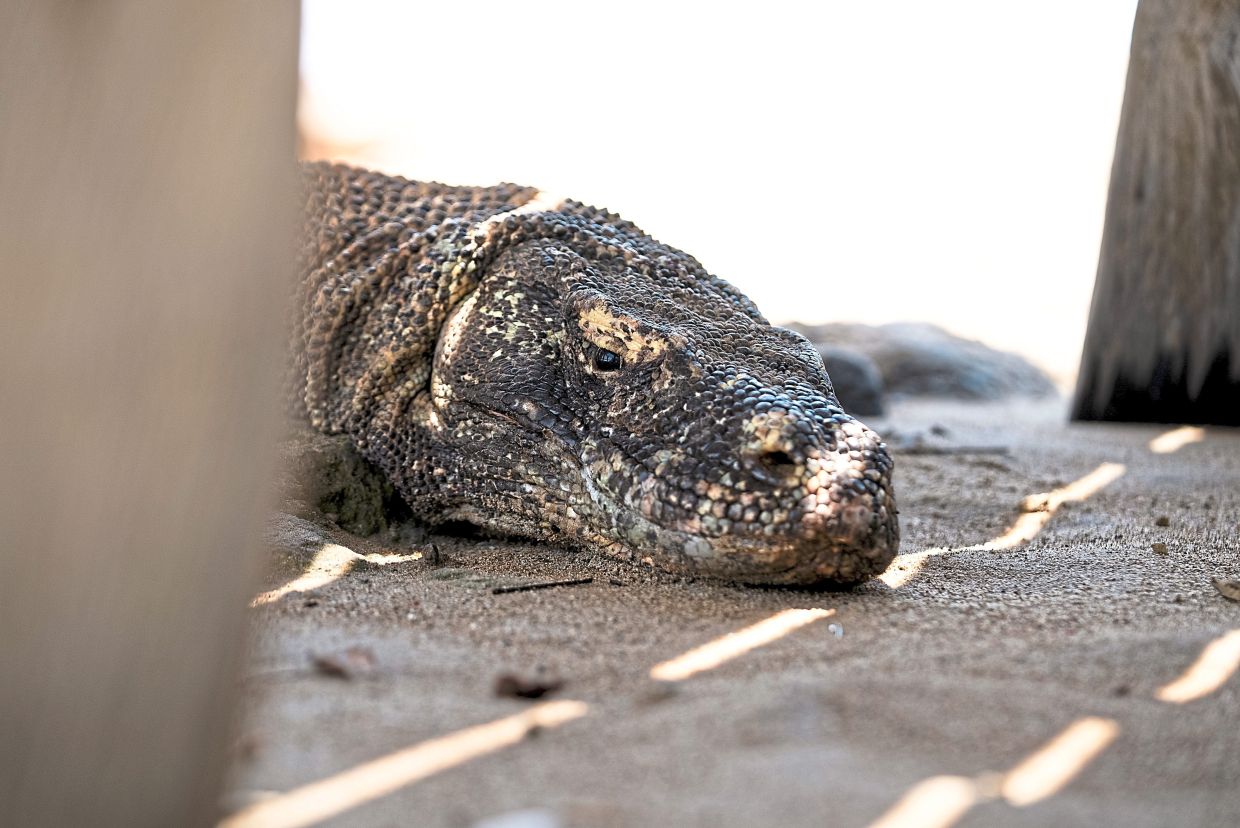
UNESCO World Heritage Site Komodo National Park is home to the Komodo Dragon.
The resort’s exclusive overwater villas celebrate the heritage of Indonesia’s sea nomads.
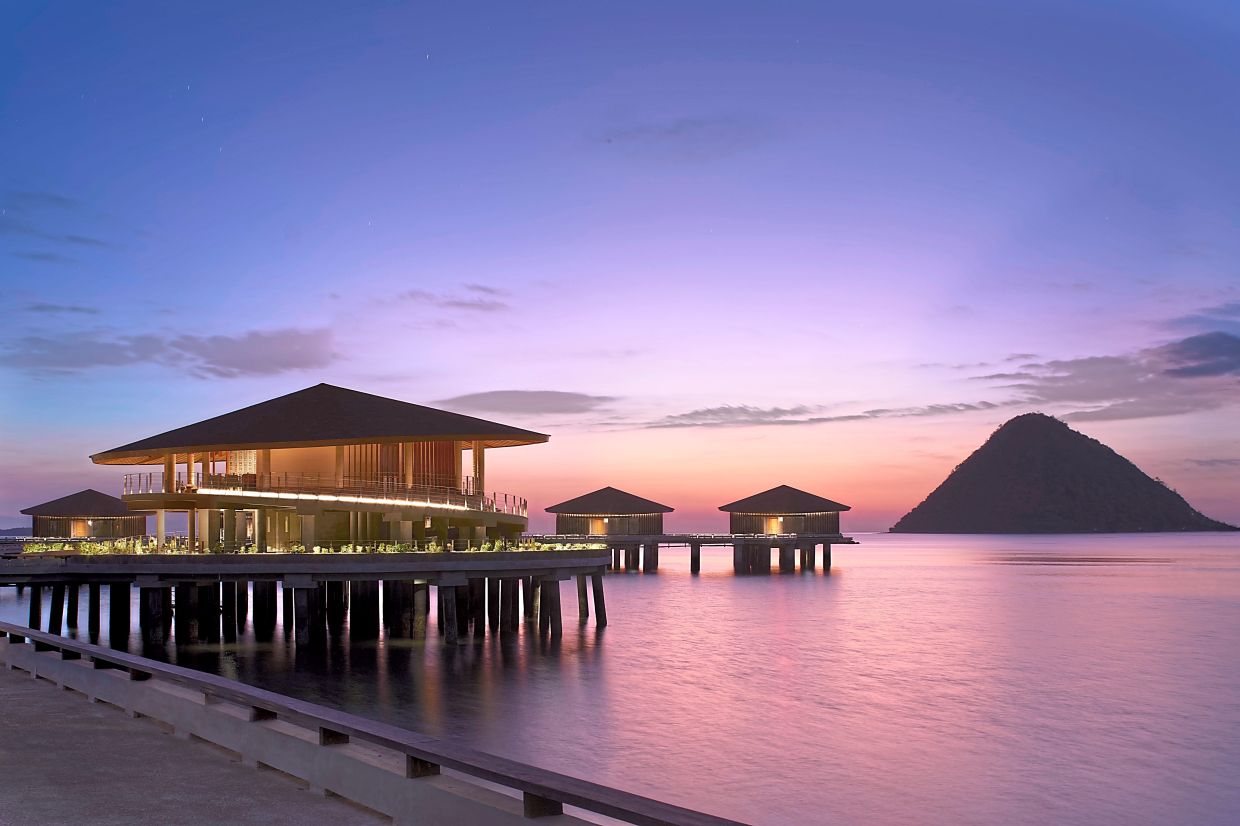
Also known as the city of sunset, Labuan Bajo offers abundant scenic views.