
Taiwan’s growing demand for electricity to sustain its semiconductor and AI industries has thrust a nuclear power referendum into the spotlight in Saturday’s local elections.
The vote could also offer Taiwanese leader William Lai Ching-te a way out of a political dilemma as his administration explored the possibility of reviving nuclear power despite decades of opposition from his ruling Democratic Progressive Party, analysts said.
Taiwan became nuclear-free in May last year when its final operating reactor at the Maanshan nuclear power plant, in the southern county of Pingtung, was shut down, fulfilling one of the DPP’s long-standing policy commitments.
But the rapid expansion of energy-intensive industries, concerns over electricity costs and the island’s vulnerability to disruptions in imported fuel supplies have intensified calls for a rethink.
For semiconductor manufacturers such as leading global supplier Taiwan Semiconductor Manufacturing Company, even brief power interruptions can disrupt production, damage wafers undergoing processing and result in costly losses.
Saturday’s referendum, initiated by the main opposition Kuomintang, asks voters whether they support scrapping the “nuclear-free homeland” policy and using nuclear power to revitalise the economy.
The fourth referendum of its kind in eight years, it will be held alongside the island’s nine-in-one local elections, with referendum ballots counted after election ballots.
Unlike local elections, which have a minimum voting age of 20, the referendum is open to those aged 18 and above, subject to residency requirements.
Of the 20 million eligible referendum voters, nearly 403,000 are aged 18 or 19. For the proposal to pass, affirmative votes must outnumber opposing votes and reach a statutory threshold of just over 5 million – a quarter of all eligible voters.
The KMT has sought to capitalise on recent controversies over floating solar panels on reservoirs to mobilise support for nuclear power, arguing that the island needs stable, affordable and clean electricity to remain economically competitive.
Lee Min, a retired professor of nuclear engineering at Taiwan’s National Tsing Hua University, said the island’s isolated power grid and heavy reliance on imported fossil fuels had made its electricity supplies particularly vulnerable.
Natural gas accounted for nearly half the island’s electricity generation, leaving it exposed to fuel shortages in the event of a maritime blockade, whereas nuclear fuel could be stockpiled in advance, he said.
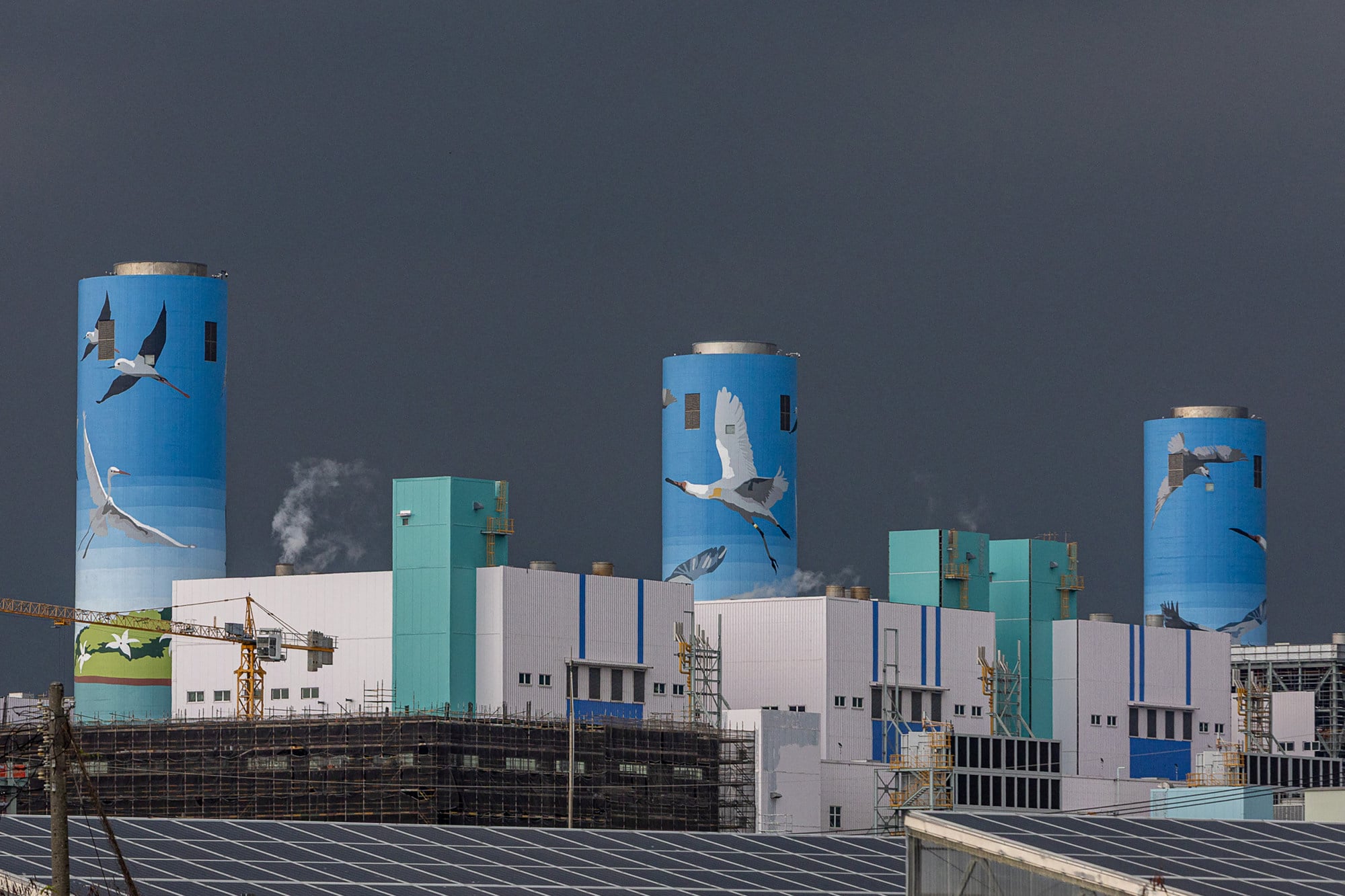
“AI is about computing power, and computing power is about electricity,” Lee said, warning that Taiwan risked missing the next wave of industrial development if it underestimated future electricity demands.
Chen Jong-shun, associate research fellow at the Chung-Hua Institution for Economic Research in Taipei, said nuclear power could buy Taiwan more time to develop renewable energy while easing pressure on electricity prices.
“Nuclear power may not be a panacea, but it is the life-saving medicine Taiwan needs right now,” he said.
Taiwanese vice-minister of economic affairs Lai Chien-hsin, however, disputed the purported link between nuclear power and economic growth, noting that Taiwan’s economy expanded by 8.76 per cent last year despite the island becoming nuclear-free.
He stressed that any nuclear restart must meet three conditions: safety, a viable solution for radioactive waste disposal, and public consensus.
Unlike last year, when William Lai urged supporters to reject a referendum on restarting the Maanshan plant, the DPP leadership has adopted a notably muted position this time, frustrating anti-nuclear campaigners and some party members.
Local media reported that some younger DPP staffers had considered demanding Lai’s resignation as party chairman after he suggested that opposition to nuclear power was ideologically driven, but abandoned the plan to avoid damaging the party’s election campaign.
Environmental activist Chou Ke-jen criticised proponents for failing to specify which plants would be restarted or where nuclear waste would be stored.
“We cannot have one group of people enjoying the benefits of electricity while another is perpetually forced to bear the risks,” he said. “That is not energy justice.”
While a successful referendum would not automatically authorise the reopening of nuclear plants, it could provide Taiwan’s leader with political cover to adjust the DPP’s energy policy, said Max Lo, executive director of the Taipei-based Taiwan International Strategic Study Society.
“If the referendum passes, it would actually work to the DPP’s advantage rather than be a slap in the face for the government,” Lo said, adding that Lai could justify a policy shift as implementing the will of the people. -- SOUTH CHINA MORNING POST