PHNOM PENH: Cambodia’s ambition to end AIDS as a public health threat by 2030 faces a persistent challenge in identifying an estimated 3,000 to 4,000 people living with HIV who remain unaware of their status, despite the country’s success in expanding treatment coverage.
Speaking at a Nov 26 press conference ahead of World AIDS Day, Senior Minister Eang Mouly, chairman of the National AIDS Authority (NAA), highlighted the importance of early detection, particularly as Cambodia seeks to reduce annual new HIV infections to around 300 by 2030.
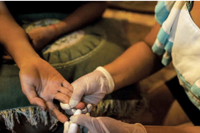
Mouly said confidential testing options are increasingly available, including oral-fluid self-testing kits that allow individuals to conduct preliminary screening at home.
He noted that people can order free HIV self-testing kits through the Foodpanda delivery platform and receive them in discreet packaging, protecting their privacy.
Those receiving a reactive result should seek confirmatory testing at a healthcare facility.
Mouly also urged journalists to verify reports of HIV outbreaks against official testing data rather than relying on unsubstantiated claims circulating on social media.
“If you see someone on Facebook claiming that there is an HIV outbreak, ask where that information came from. If it does not come from testing facilities, the information is unreliable,” he said.
Chub Sokchamroeun, chairman of the board of the Health Action Coordinating Committee (HACC), stressed that healthcare providers must create welcoming environments, particularly for young people who fear disclosing their personal circumstances.
“No matter how good our prevention services are, they will not reach the target population if people are afraid or worried that others will find out,” he said.
Dr Chan Phanna, country programme manager of AIDS Healthcare Foundation (AHF) Cambodia, said late diagnosis remains a concern despite the country’s achievements in expanding access to antiretroviral treatment.
Some patients only seek medical attention after their immune systems have already been severely weakened, highlighting the need to encourage testing before serious symptoms develop.
AHF Cambodia currently works with 44 treatment centres nationwide, supporting early diagnosis, treatment adherence and efforts to reconnect patients who have missed scheduled appointments.
According to Phanna, more than 90 per cent of patients who missed appointments eventually returned to receive treatment, demonstrating the importance of cooperation between healthcare facilities and community organisations.
The organisation will continue its cooperation with the government through 2028, with prevention and testing among young people, early treatment and patient retention among its priorities.
Early diagnosis and timely treatment remain essential to reducing HIV transmission, preventing AIDS-related complications and achieving Cambodia’s 2030 objectives. - The Phnom Penh Post/ANN