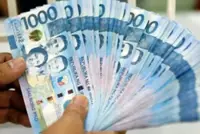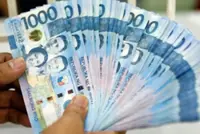
MANILA (Reuters): The Philippine peso slid to a record low on Friday night as concerns over energy costs and weak inflows weighed on the currency, while the South Korean won gained to a one-year high, supported by a hawkish central bank and an upgraded growth outlook.
The peso shed as much as 0.6% to an all-time low of 62.236 per dollar and was headed for a third straight weekly loss.
Among currencies most vulnerable to energy prices in Asia, given the Philippines' dependence on oil imports, the peso has lost nearly 8% since the Iran war began.
The Philippine central bank raised interest rates by 25 basis points on Thursday as expected, warning of risks including a strong El Nino that could impact domestic and imported rice supplies.
"The outlook for the Philippines peso remains negative due to significant external pressures," Citi analysts said.
"The current-account deficit is widening, driven by elevated energy prices and a weaker services balance in the recent quarter. This pressure could persist, as future government infrastructure spending would keep the import bill elevated."
The Middle East conflict and its impact on energy prices have hit other oil sensitive units in the region. The Thai baht , which weakened for a fifth straight session to 32.9625, is down 4.6% year-to-date.
The Bank of Thailand held its key rate steady earlier this week, warning that growth remains low and uneven.
Oil fell on Friday after climbing more than 2% overnight following a report that U.S. President Donald Trump was not interested in returning to the terms of a memorandum of understanding reached with Iran in June.
East Asian currencies fared better on AI optimism following Nvidia's bumper results. The South Korean won rose as much as 0.7% to 1,371.79 per dollar, its highest since mid-September 2025 after the Bank of Korea raised its benchmark rate by a quarter percentage point on Thursday and its growth forecast for the year.
The won has outperformed Asian peers this year, rising 4.9%, as the central bank's hawkish stance and exports-backed economic growth helped shield the currency.
A Reuters poll showed that South Korean exports likely extended their robust growth in August to mark a 15th consecutive month of gains, driven by surging global demand for AI chips.
Taiwan's dollar strengthened for a third straight session, and briefly hit its highest level since mid-June.
All eyes are on the Jackson Hole Symposium, where Federal Reserve Chair Kevin Warsh is scheduled to speak later in the day.
Fed officials have sounded the alarm about sticky inflation but the new central bank chief has resisted providing forward guidance about where interest rates are headed. The U.S. dollar index, which measures the currency against six major peers, was little changed at 99.172.
Stocks in the region were mixed. South Korea's KOSPI shed 1.8% after a three-session winning streak, while Taiwan shares rose 0.8%. -- Reuters