
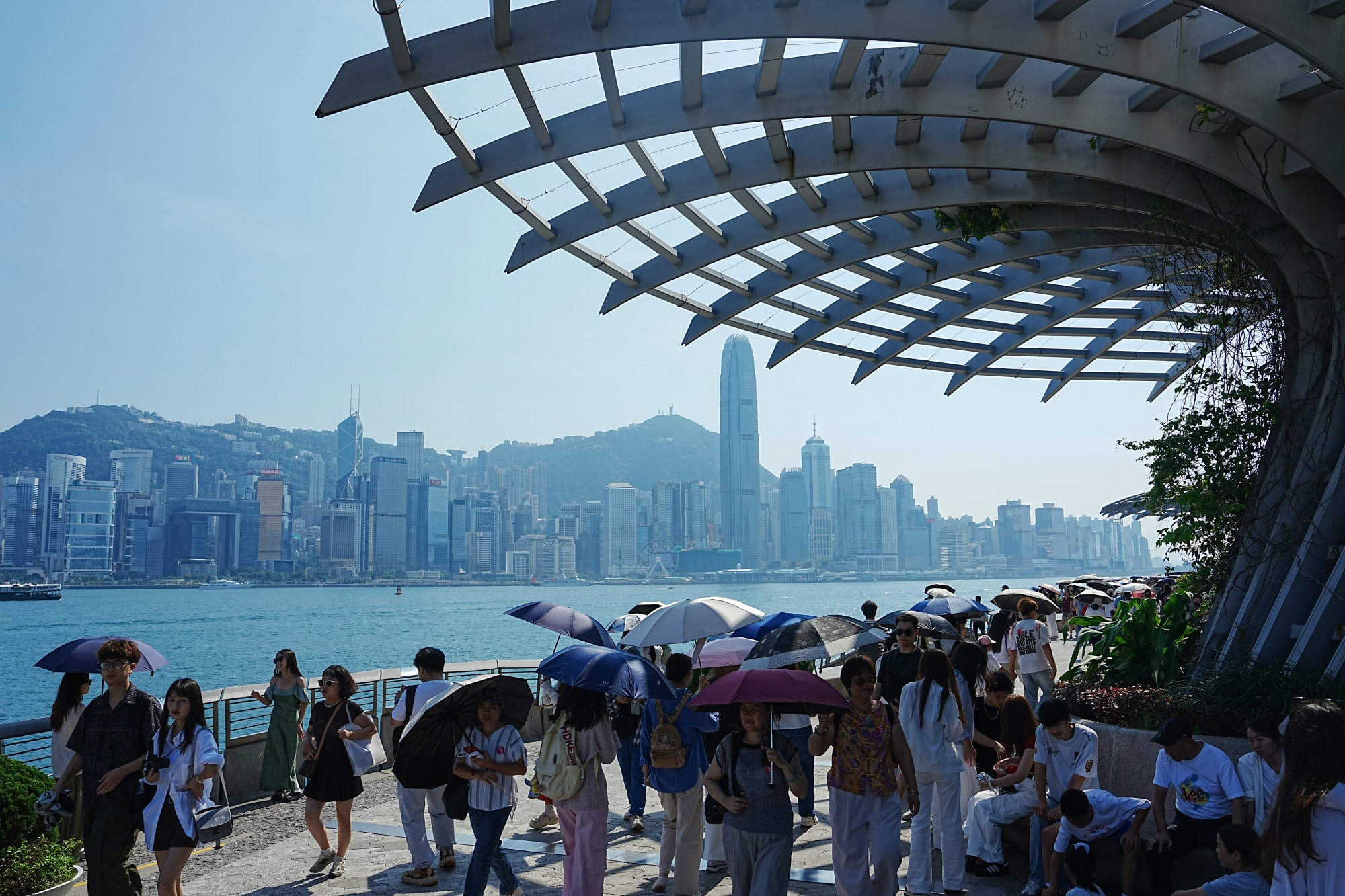
Hong Kong has widened its lead over Singapore as Asia’s most international city, buoyed by gains in innovation and ideas, but still trails in attracting technology investment, a leading business chamber study has found.
The Hong Kong General Chamber of Commerce’s annual Asian Cities Internationality Index, released on Thursday, ranked Hong Kong first among 11 Asian cities with 74.6 out of 100 points in a measure of seven key areas.
Its lead over Singapore widened to two points, up from 0.2 points last year.
Hong Kong retained first place in business and economy, scoring 78.6 points. It ranked second in quality of life, infrastructure and connectivity, and human capital diversity.
The city rose from fourth to third place in innovation and ideas. It also remained third in government and legal systems for business, and fourth in cultural interaction, for the second consecutive year.
Chamber chairman Jacob Kam Chak-pui said Hong Kong performed well in research and innovation exchanges through its universities and scientific work, and in attracting leading global professionals through talent admission schemes.
“So in these two areas, we are doing well and can continue to build on them,” he said.
However, Hong Kong had to step up its efforts in securing private investment for technology innovation, Kam said, adding that with traditional investment funds remained cautious because of the higher perceived risks.
“A new start-up finding investors and securing funds elsewhere is relatively easier than in Hong Kong,” he said.
Kam cited Shanghai, which has set an explicit goal of cultivating 100 unicorns by 2027 and introduced policies to speed up progress.
“Over the past decade, we have witnessed the emergence of about 20 Hong Kong unicorns, demonstrating the city’s tremendous capability in nurturing world-class innovative enterprises,” he said.
“Looking ahead, Shanghai’s ambitious goal-setting serves as a powerful inspiration for Hong Kong to further boost its momentum.”
Kam said broader social acceptance of innovative technology was another crucial area.
Asked how cultural interaction could be improved, he said the city should strengthen its overall atmosphere, cultural appeal and diversity for visitors, international businesspeople and expatriates through activities held throughout the year, alongside established signature events such as the Hong Kong Sevens rugby tournament.
“Mega-events [should not] only be at Kai Tak [stadium]. As Hong Kong embraces the ‘tourism is everywhere’ initiative, we invite businesses to explore new investment opportunities and enhance the variety and diversity of cultural and entertainment events,” Kam said.
“For mega-events, [it should give] the impression to visitors of the entire city that they are not just watching one sports match, but have related or other entertainment choices before and after.
“This can boost the competitiveness of our overall cultural interaction.”
Singapore retained second place with 72.6 points. Seoul rose to third, overtaking Tokyo, which fell to fourth, followed by Shanghai, Bangkok and Kuala Lumpur.
The study, conducted by independent research firm Ipsos, combined 60 per cent hard data from authoritative sources with 40 per cent soft data from an online survey conducted in February and more than 10 in-depth qualitative interviews, according to the report.
The survey involved 1,111 executives across the 11 cities, split evenly between local residents and foreign executives who had lived and worked in the city for the past two years. All respondents also had experience of living, working or doing business in at least three of the selected cities.
Among other recommendations, the report said cities should develop sector-focused policies linking trade and logistics, align urban planning with affordable housing and green spaces, attract international research talent, and advance the digitalisation of government and judicial processes.
Kam said the study aimed to help raise Asia’s overall competitiveness, as its economies are projected to account for about 60 per cent of global gross domestic product growth, underscoring the region’s growing economic significance.
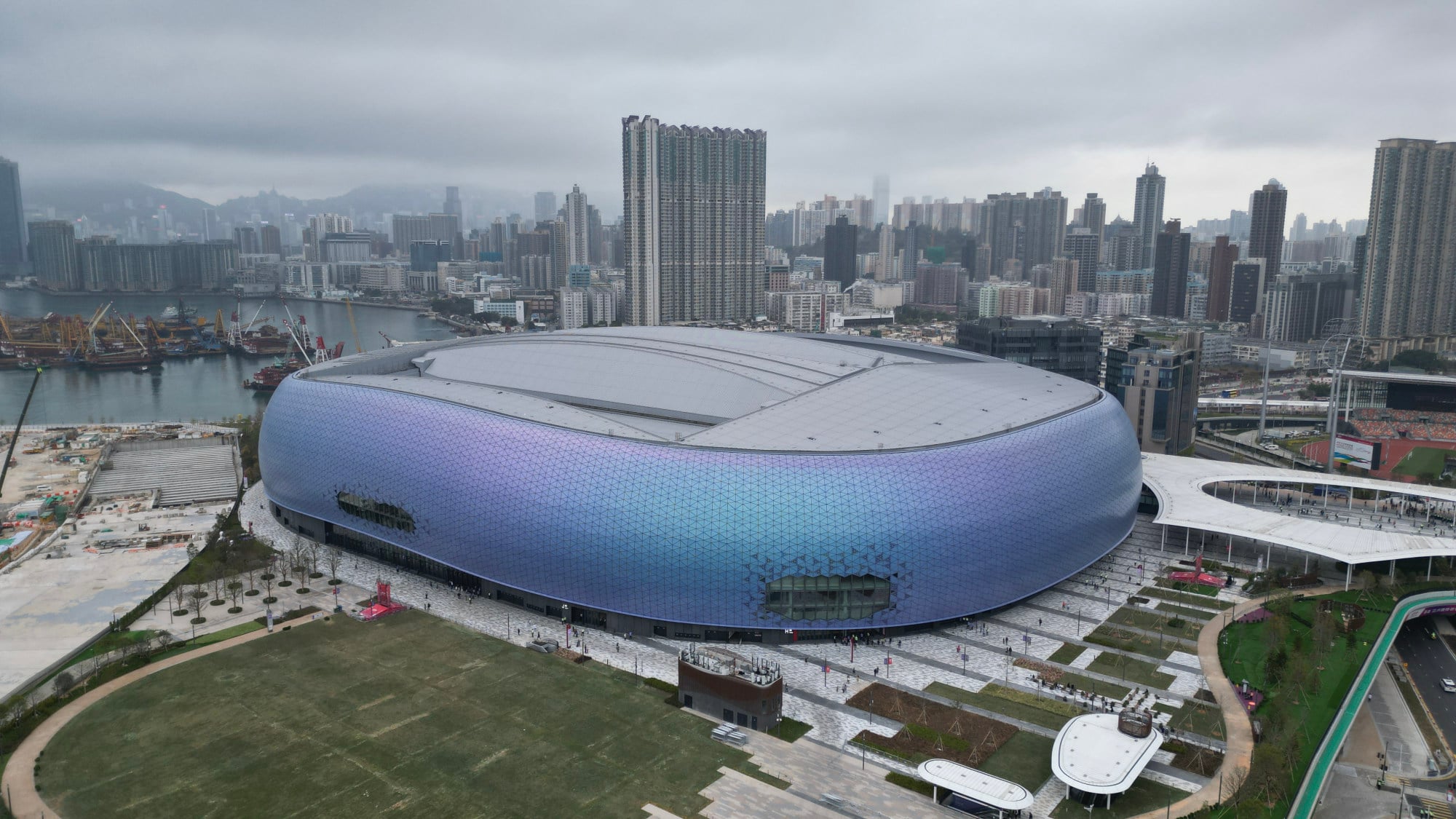
Allan Zeman, chairman of Lan Kwai Fong Group, said the 50,000-seat Kai Tak Stadium was a game-changer that had attracted more international events, while the M+ contemporary art museum and the Hong Kong Palace Museum had also strengthened the city’s cultural appeal.
Zeman said Hong Kong’s high degree of safety remained a key factor in attracting foreign capital and talent but was often overlooked.
He added that the city’s financial services sector was thriving, accounting for 27 per cent of GDP, while geopolitical tensions could prompt hundreds of family offices from the Middle East to establish operations in Hong Kong.
Zeman also said the city was benefiting from mainland China’s rapid advances in electric vehicles and robotics, driven by long-term planning and government support.
“As China gains more and more popularity and more and more confidence from other countries in the world, Hong Kong can only get stronger and stronger,” he said. -- SOUTH CHINA MORNING POST