




Hong Kong delivery rider Raj Bhattarai* felt the pain – both physically and financially – after a vehicle rear-ended his motorcycle on the job about a year ago.
Bhattarai, who is in his forties, spent a month on sick leave with a back injury and waited 10 months before he received compensation for the accident. The payout was a paltry HK$3,000 (US$382).
“It is not enough at all,” said the father of one young child and the family’s sole breadwinner. “I used to earn around HK$30,000 a month, but I had no income for that whole month while I was recovering, and then I had to wait almost a year for this small amount.”
Bhattarai’s experience is not uncommon, with other injured riders saying months-long claim delays and meagre compensation have left them out of pocket and struggling.
As the gig economy grows, workers like Bhattarai and their unions are calling on the government to do more to protect their rights.
For a start, they want payouts under a proposed statutory work injury compensation scheme for gig workers – the first such initiative in the city – to be based on longer-term income averages, and for logged-on waiting time to be treated as protected working hours.
Compensation should also be pegged to income, in line with the standards applied to full-time employees rather than volatile weekly earnings, they said.
The Labour and Welfare Bureau released a Legislative Council paper earlier this month proposing that workers in food and goods delivery – the two sectors that hire the bulk of Hong Kong’s gig economy freelancers – be entitled to compensation for injuries or death sustained while doing work secured through platforms.
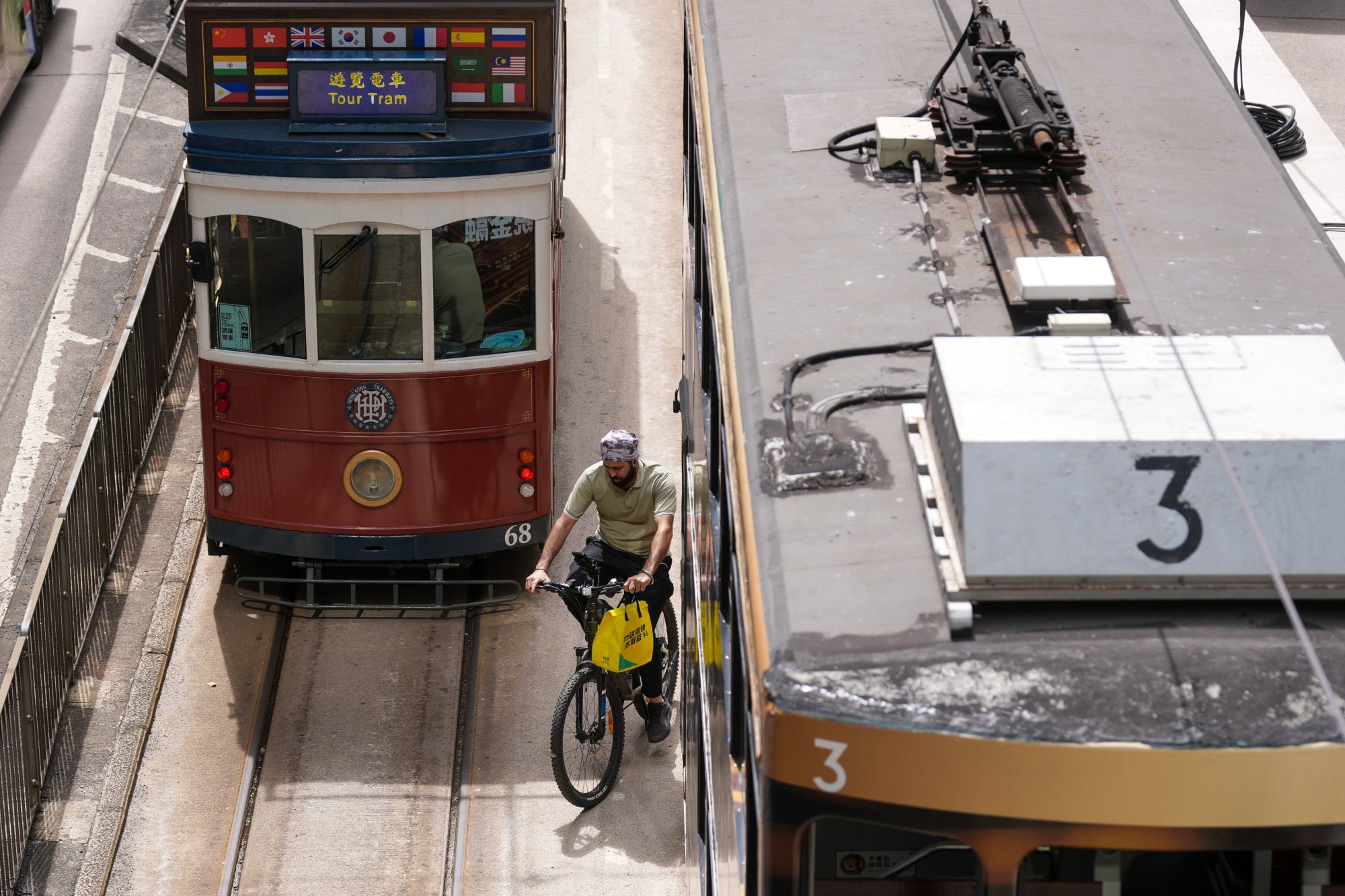
Benefits would mirror those listed in the Employees’ Compensation Ordinance, covering sick leave, medical expenses and permanent incapacity, with minimum payouts of HK$584,220 (US$74,497) for total incapacity and HK$514,510 for death, subject to a monthly earnings ceiling of HK$38,670.
But the exact formula for calculating income remains under discussion, and occupational diseases would not be covered. The government aims to table the bill in the Legislative Council by the end of this year.
The coverage would span the full delivery journey – including the return to the vehicle or a specified period after cancellation – and extend to the ride home within four hours, while a No 8 typhoon signal or higher, or a red or black rainstorm warning, was in force.
The government will also adopt a “no-fault” principle, meaning operators cannot avoid liability even if a worker is negligent. But claims will be void in cases of deliberate self-harm or intoxication.
However, Secretary for Labour and Welfare Chris Sun Yuk-han told a Legco panel on July 17 that logged-on waiting time would be excluded from coverage.
“Once workers are online they can be anywhere doing anything, so bringing that period under protection would create too much uncertainty and increase moral hazard, given the flexible nature of platform work,” he said.
Sun stressed that platform workers had no employment relationship with operators, placing them beyond the reach of both the Employment Ordinance and the Employees’ Compensation Ordinance.
For delivery workers, the proposed protections cannot come soon enough.
Waqas Ali* has been waiting more than 18 months for compensation after an accident during a delivery for the Keeta platform left him hospitalised at the start of 2025.
Ali, in his thirties, said he fractured his thumb when his bike slipped on a wet, sloping road during a delivery, and that he spent five months recovering – a period during which he lost his usual monthly income of between HK$32,000 and HK$35,000.
He said Keeta gave him the WhatsApp contact details of an insurance agent and told him his claim would be processed within one to three months after the end of his sick leave.
“It has already been 1½ years, and I still have not received anything. I kept messaging the insurance agent, and they only replied that it will come soon,” he said.
He said compensation should be calculated at the same rate as workers in other sectors such as construction and security.
Under the Employees’ Compensation Ordinance, temporary incapacity payments are set at four-fifths of the difference between pre- and post-injury monthly earnings.
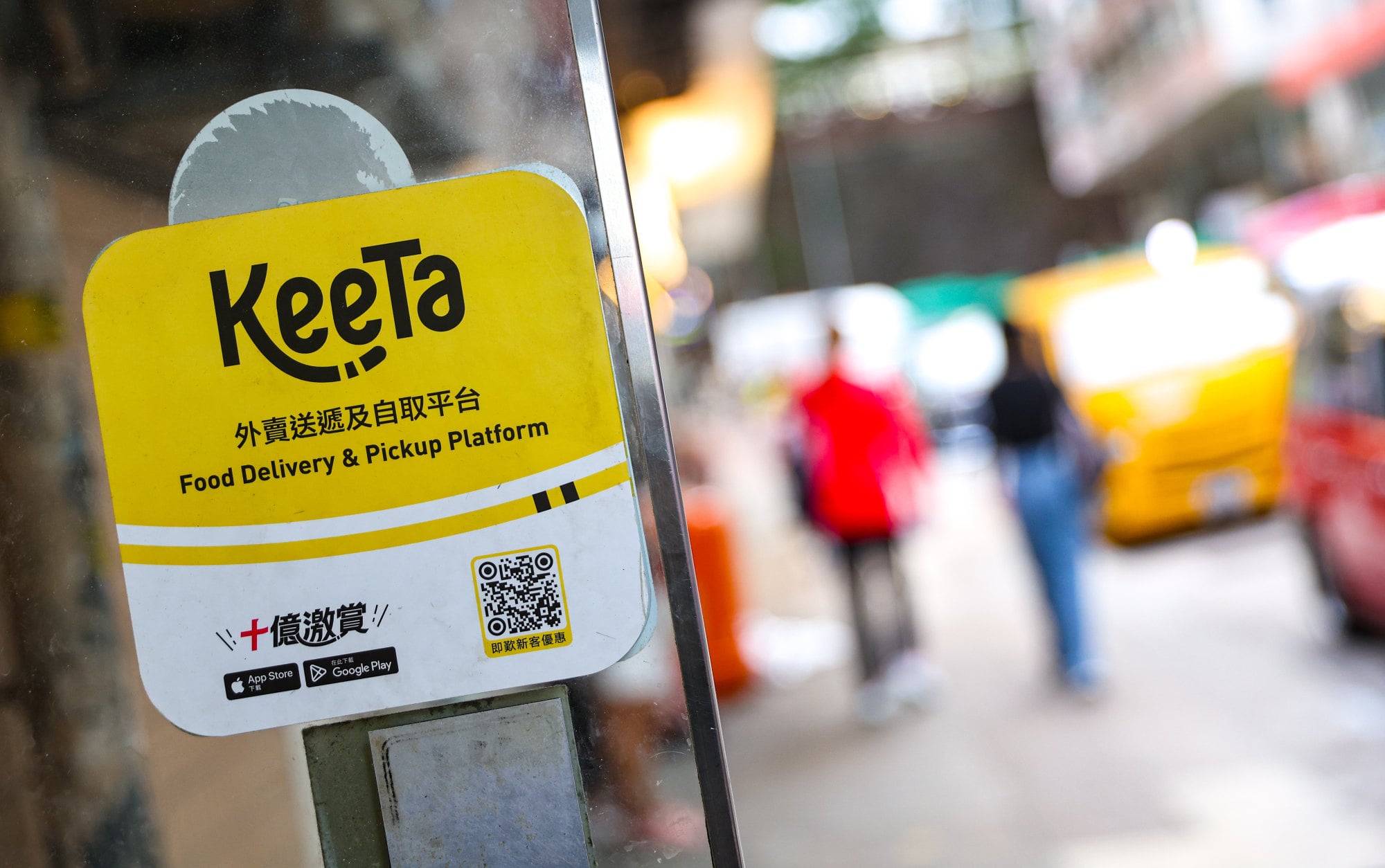
According to information from the city’s two major delivery platforms, Keeta and Foodpanda, the group personal accident insurance policies they currently purchase provide temporary total disablement payouts capped at HK$3,900 per week or 75 per cent of average weekly service fees, whichever is lower, for a maximum of five weeks.
Lawmaker Lam Chun-sing, chairman of the Federation of Hong Kong and Kowloon Labour Unions, said that pegging compensation to earnings in the month of the accident alone would short-change riders during slow periods.
“If a worker only earned four or five thousand dollars that month, the payout would be too low. We should use the higher of the three-month or one-year average to reflect actual earnings,” he said.
Lam also called for occupational diseases to be included, saying the diagnostic bar was already high and doctor-certified cases were rare, while riders risked sustaining hand strains from carrying heavy loads.
Wai San-yuen, chairman of the Hong Kong Food Delivery Workers’ Union, said logged-on time should be included in the compensation window.
“Protection should cover logged-on standby time, because when we are online the platform keeps pushing messages and orders,” he said.
Ali said riders were logged on for eight to 10 hours daily, often waiting 30 to 40 minutes by the roadside for delivery orders, and argued that this period should be counted as working time.
“If we are online, it means we are giving full time to the platform. We are working,” he said.
*Names changed at interviewees’ request. -- SOUTH CHINA MORNING POST


