Salt farmers in West Java are reaping the benefits of an El Nino-driven drought even as crop farmers brace for a prolonged challenge from the baking heat.
The country is grappling with an intensifying El Nino, a climate pattern that typically brings hotter, drier conditions across much of South-East Asia, raising the risk of drought, wildfires and crop losses.
As a result, by July more than half of the country’s seasonal zones were engulfed by a longer-than-expected dry season, which is expected to peak in August.
The weather agency has warned that El Nino will persist into early 2027. As of last month, more than 5,000 hotspots were detected across the country, a sharp increase compared to previous El Nino years.
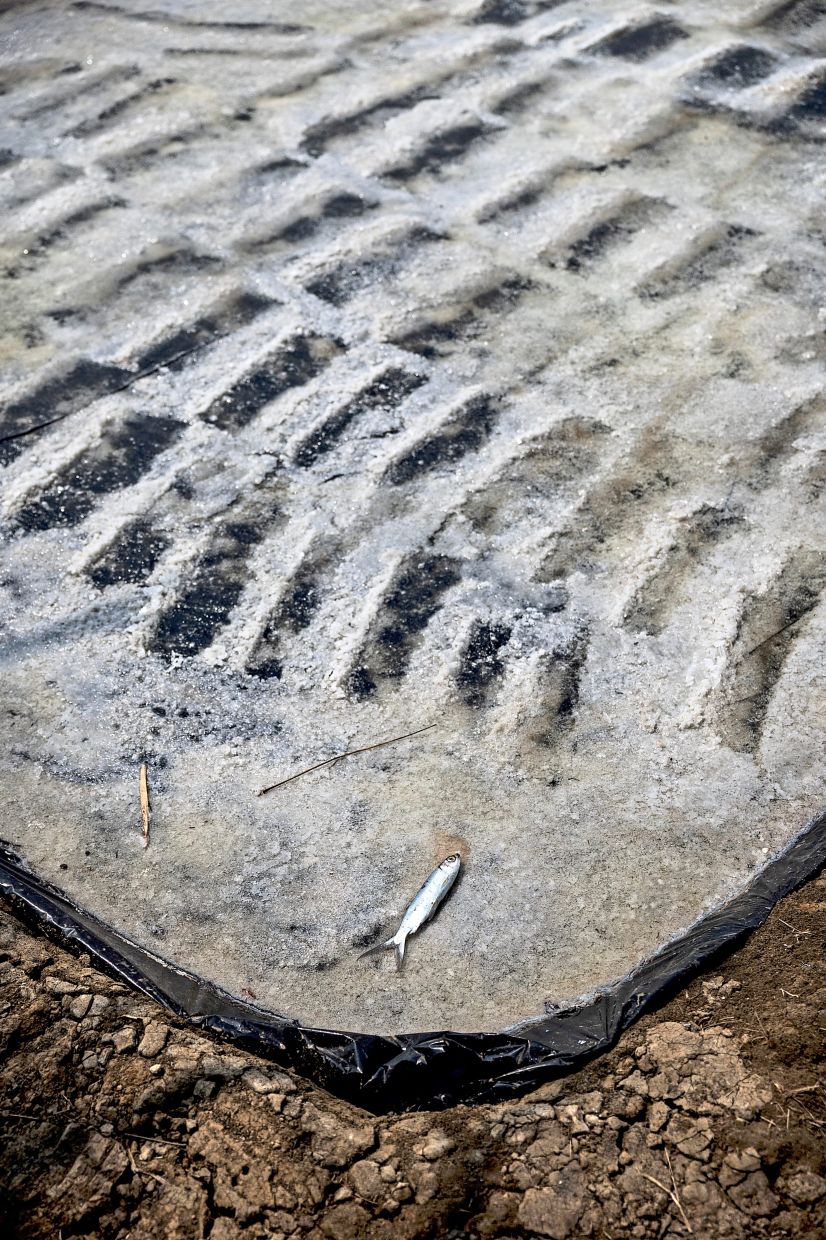
Most of Indonesia’s salt production relies on low-tech methods that evaporate seawater in shallow coastal ponds during the dry season.
Farmers in areas such as West Java’s Cirebon regency on the island of Java’s northern coast spend hours scraping crystallised salt from the pond floors before gathering it into piles for collection.
Even brief rainfall can interrupt the process, reducing production and quality.
“For us, El Nino is a blessing and a grace. It’s something we should be grateful for,” said Dadang Darmawan, 45, the head of a local salt farmers’ group.
Darmawan said salt farmers wished El Nino would return every year because of the output boost.
Production in Cirebon reached nearly 600 metric tonnes in July, compared to just 25 to 30 tonnes in the same month last year, said Sudiharjo, an official at the Cirebon Regency Food Security and Fisheries Agency, who only goes by one name.
He added that, with dry conditions expected to persist through October, the region is likely to record a bumper salt harvest.
Cirebon’s sprawling salt fields, spread over 1,400ha, represent only a fraction of the 10 salt-producing regions of Indonesia, which has 17,000 islands, and plenty of coastline.
Data from the Ministry of Marine Affairs and Fisheries showed national production fell last year to one million tonnes amid a shorter-than-usual dry season, followed by a La Nina climate pattern that is associated with wetter conditions.
In 2023, the last El Nino period, output was 2.5 million tonnes.
“Production will definitely increase because the dry weather period is longer,” the head of the Indonesian Salt Users Industry Association, Cucu Sutara, said of national production.
However, he did not give an exact projection.
The salt farmers’ windfall is in stark contrast to the protective measures the country’s traditional agriculturalists are taking.
The country’s weather agency has warned crop farmers to adjust their planting schedules and farming activities.
Darminto, a 39-year-old salt farmer, understands that crop farmers are badly affected by El Nino but is focusing on the boom times.
“My hope is that this summer lasts longer, so I can earn money and store salt,” he said. — Reuters