




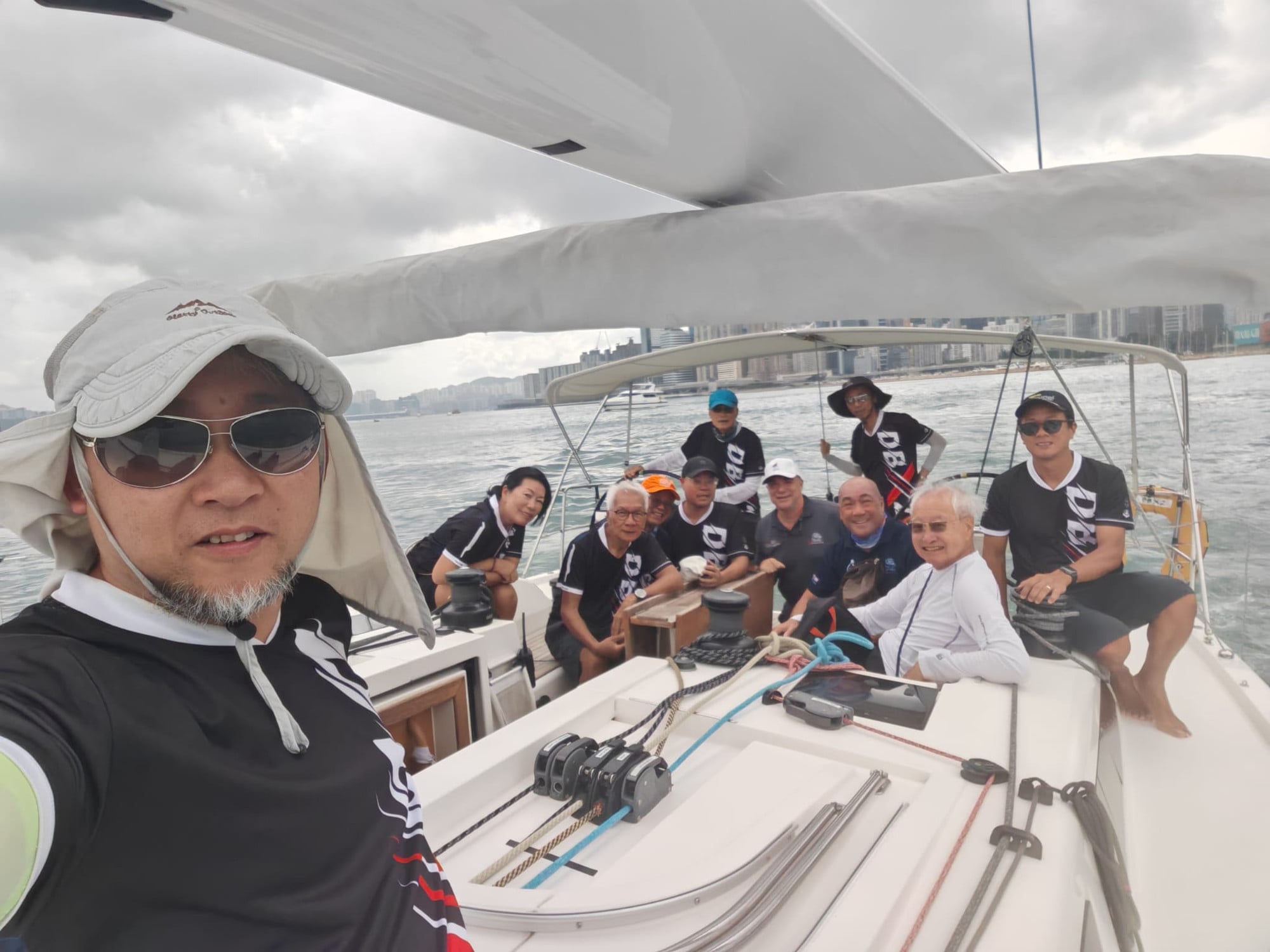
For the first time, veteran sailor Thomas Wong Kam-chuen and his partners set sail from Hong Kong on their 46-foot yacht on a two-day trip earlier this month to a holiday island in Zhuhai, testing the waters for more leisure travel to mainland China.
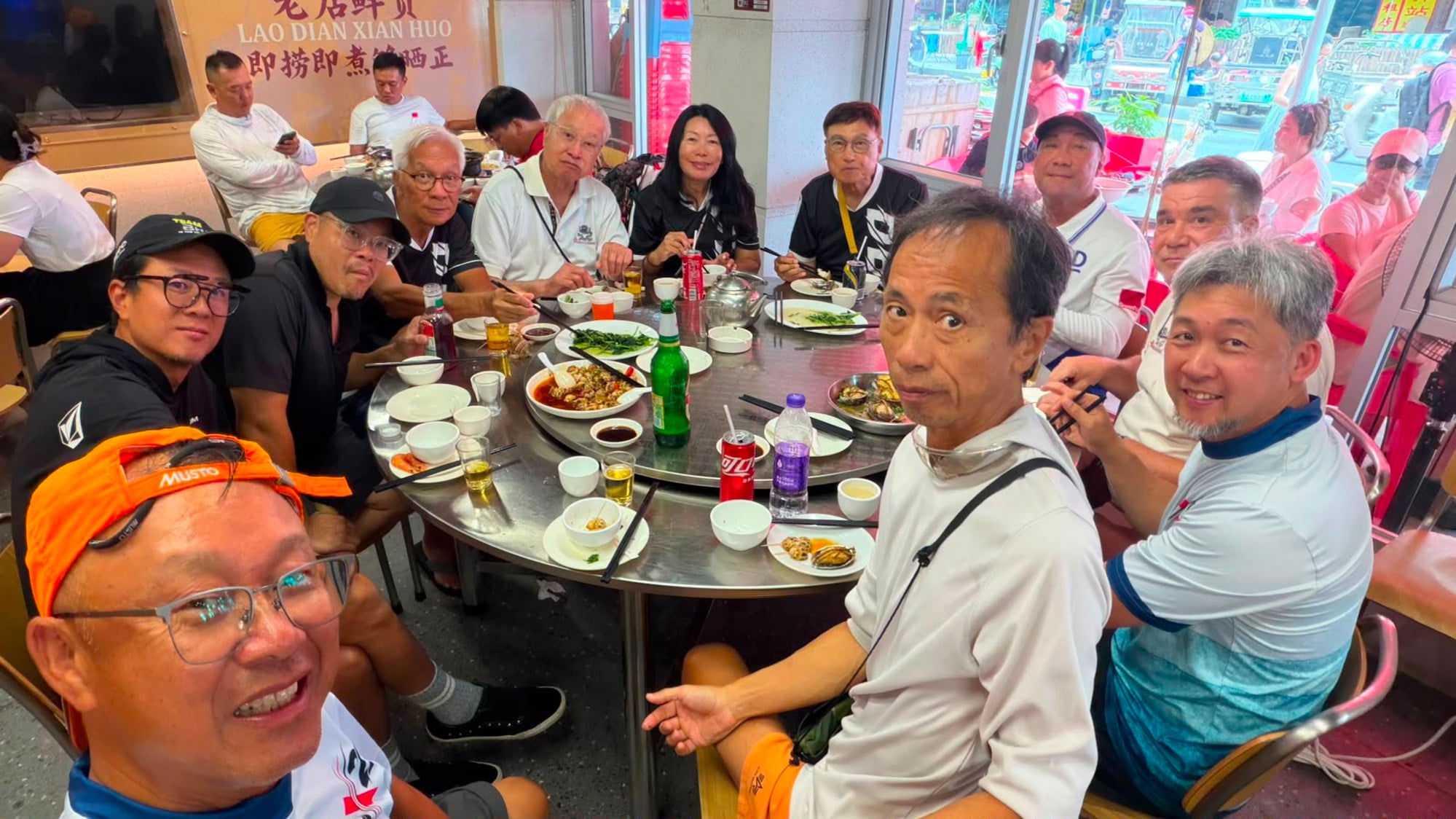
After a five-hour voyage from the Causeway Bay typhoon shelter on a sunny weekend, they anchored their Danish-built yacht, DBX2, at Guishan Island, went ashore for a seafood lunch with beer and stayed overnight.
“Food is really economical. We had 11 people, and a seafood meal was only HK$112 [US$14] per person. If you eat seafood in Hong Kong, it is at least HK$600 to HK$700 a person,” said the 79-year-old structural engineer, who has 52 years of sailing experience.
DBX2 joined nine other vessels in a flotilla organised by the Royal Hong Kong Yacht Club in collaboration with the Zhuhai Yacht Association, with the early batch of sailors navigating Greater Bay Area waters under a new individual yacht travel scheme.
The trip was made possible after Beijing approved the Guangdong-Hong Kong-Macau individual yacht scheme in June, allowing Hong Kong owners to sail their vessels to designated ports as part of a broader “yacht economy” strategy for the Greater Bay Area.
The bay area is a central government initiative to link Hong Kong, Macau and nine cities in neighbouring Guangdong province into an integrated economic powerhouse.
Some boat owners and maritime experts note that the yacht scheme currently operates as one-way traffic, generating economic gains for mainland destinations. They have urged Hong Kong authorities to seize the opportunity to upgrade the city’s marine infrastructure to attract southbound yachts.
They have also called on the government to prioritise high-end maritime services – such as trading, financing and design – and to use an ongoing public consultation for Hong Kong’s first five-year development plan to capitalise on the marine economy.
“What we hope for in the future is to place Hong Kong’s yacht industry – including yacht exhibitions, design and trading – in Hong Kong,” said Professor Chen Jihong, director of the Shenzhen International Maritime Institute, who was involved in research and planning for the cross-border individual yacht scheme.
“In the future, Hong Kong can definitely play a greater role in high-end services and financial value addition.”
An ‘economically unbalanced’ voyage?
The scheme is currently limited to northbound Hong Kong yachts, pending mainland approval for yachts there to sail to the city under a southbound arrangement.
The northbound section operates under strict parameters, capping vessel capacity at 12 people and requiring captains to hold Chinese citizenship and have home-return permits and to submit digital clearance hours in advance. Home-return permits allow Hong Kong and Macau people to travel freely between their home city and the mainland.
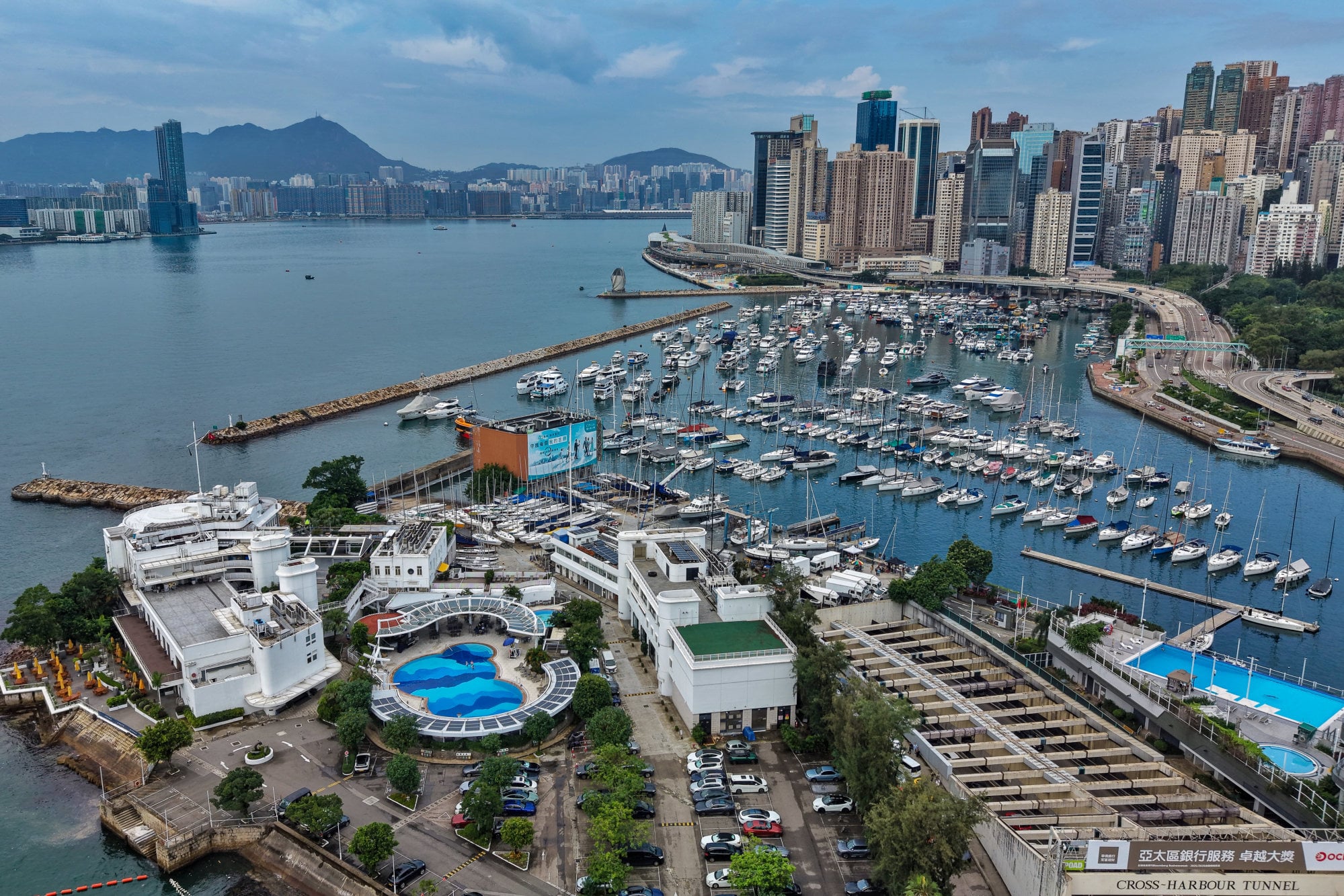
Potentially, a vast market is waiting to be tapped. Wong Sai-fat, director of marine, citing estimates from multiple media and political party research reports published between April and June, earlier said that once the yacht economy reached maturity, it could generate annual economic benefits of HK$4.4 billion to HK$22.5 billion for Hong Kong.
From 2023 to 2025, an average of 77 yachts visited Hong Kong annually, 35 of which came from the mainland, according to InvestHK, the government’s investment promotion arm.
However, the new scheme is accelerating movement.
Liao Kai, president of the non-profit Zhuhai association, said 38 Hong Kong and Macau yachts had obtained temporary ship nationality certificates issued by mainland authorities as of mid-July.
Twenty of them applied specifically to visit Zhuhai. Without affecting their original ship registration, these certificates allow individual yacht travel within the waters of the nine mainland cities in the bay area.
“In just half a month, we have processed nearly half as many yachts as the roughly 60 that entered [Hainan] under a free travel scheme between Hainan, Hong Kong and Macau over the past six to eight years,” said Liao, whose association is registered under Zhuhai’s civil affairs bureau to advocate for cross-border yacht travel.
The Hainan scheme was implemented in 2019, allowing visiting yachts from Hong Kong and Macau to remain in the southern mainland island province for 30 days.
In Wong’s case, he and his partners paid about HK$5,000 in fees related to the application and preparation of certificates for the Guishan Island trip, excluding spending on meals and entertainment.
Located about three nautical miles (5.5km) southwest of Lantau Island, Guishan is known as a selfie hotspot for sunsets and seafood.
Whether the trip was worthwhile is open to debate.
“Do you think it’s worth it, doing so many procedures just to go for one night and two days? Even going somewhere as close as Guishan, travelling took about five hours each way – that’s 10 hours of sailing within less than 48 hours,” Wong said.
“Factoring in sleep time, the actual leisure time is very short. Those expenses – HK$5,000 – are basically mandatory, so if you only go for two days, it feels a bit economically unbalanced for a two-day trip.”
Still, some yacht owners, such as Simon Deng Wenjian, who visited Nansha in Guangzhou with friends earlier this month, felt the cost was acceptable.
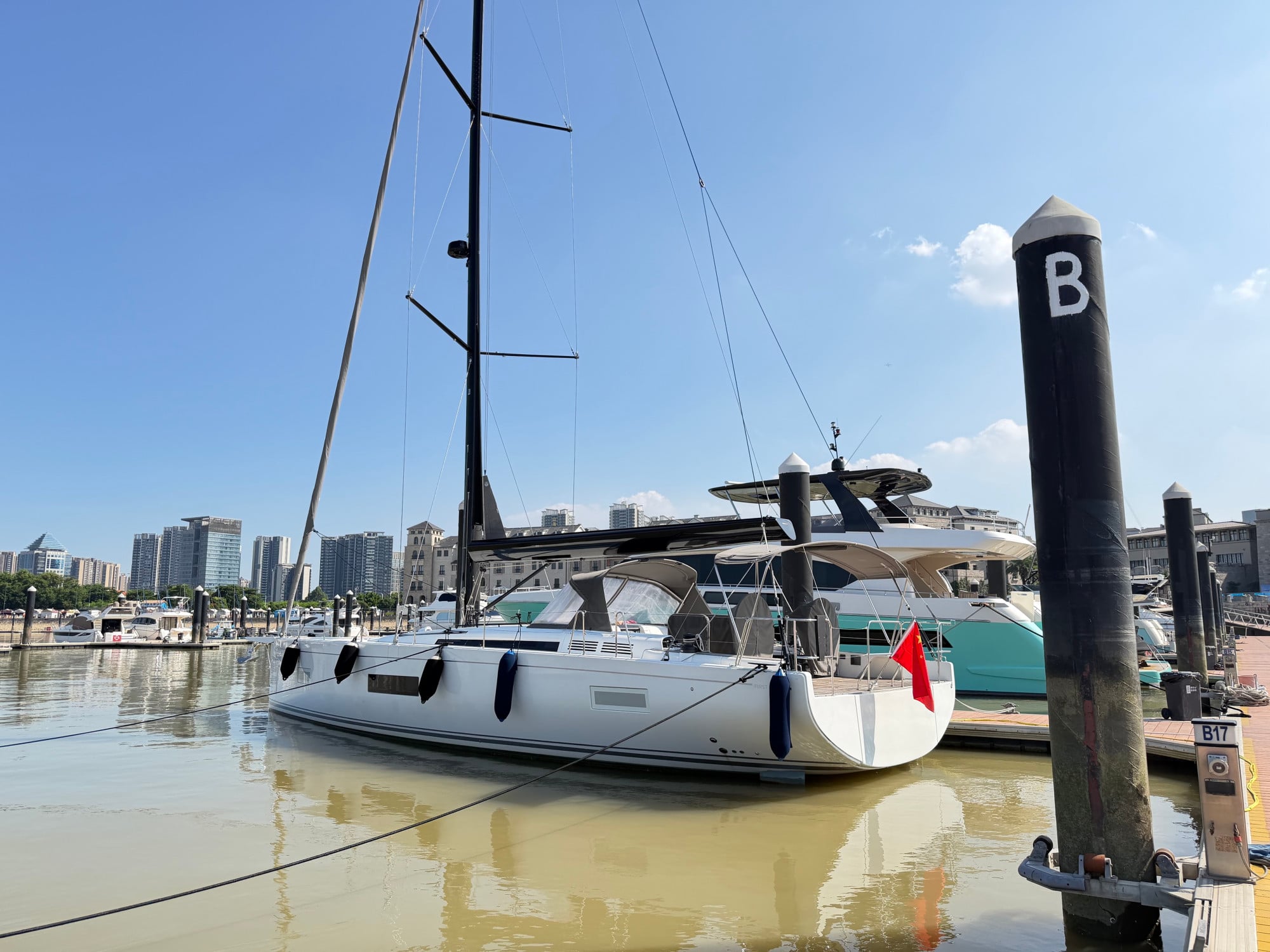
Deng sailed his 53-foot yacht from the Gold Coast in Tuen Mun to Nansha Marina in about 5½ hours, noting that customs clearance at the passenger terminal was efficient and took about 20 minutes.
“Most of the things you do, like the AIS [automatic identification system, a marine tracking tool], are a one-off. If you deduct this cost, the actual cost of each trip is very low,” Deng said, adding that mainland marinas charged an agency and berthing fee of about 6,000 yuan (US$890) per trip.
Deng said prospective yacht owners deterred by high berthing costs might now choose to buy vessels in Hong Kong and register them there, using the travel scheme to sail them back to the mainland.
He said he believed this influx of new buyers purchasing tax-free vessels in Hong Kong would stimulate yacht sales and boost the city’s yachting industry.
To make the northbound scheme more attractive, Lawrence Chow, chairman of the Hong Kong Boating Industry Association, proposed that the city’s Marine Department expand its eSeaGo navigational chart app to cover Greater Bay Area waters so captains could chart their voyages.
Chow also pointed to a private website compiling information on northbound and southbound yacht travel so everyone could access the same information.
Liao said the Zhuhai association was exploring with the Guangdong provincial government the adoption of Hong Kong’s flexible capacity rules and the implementation of the English-language version of the application. Mainland maritime law strictly caps all yachts at 12 people including crew, regardless of the vessel’s size.
Bill Lau, founder of service company Voy Yachting, and Simon Kung, chief executive of Baypoint, both handle applications for yacht owners.
They said that due to complicated paperwork and unaligned systems, end-to-end processing took up to a month.
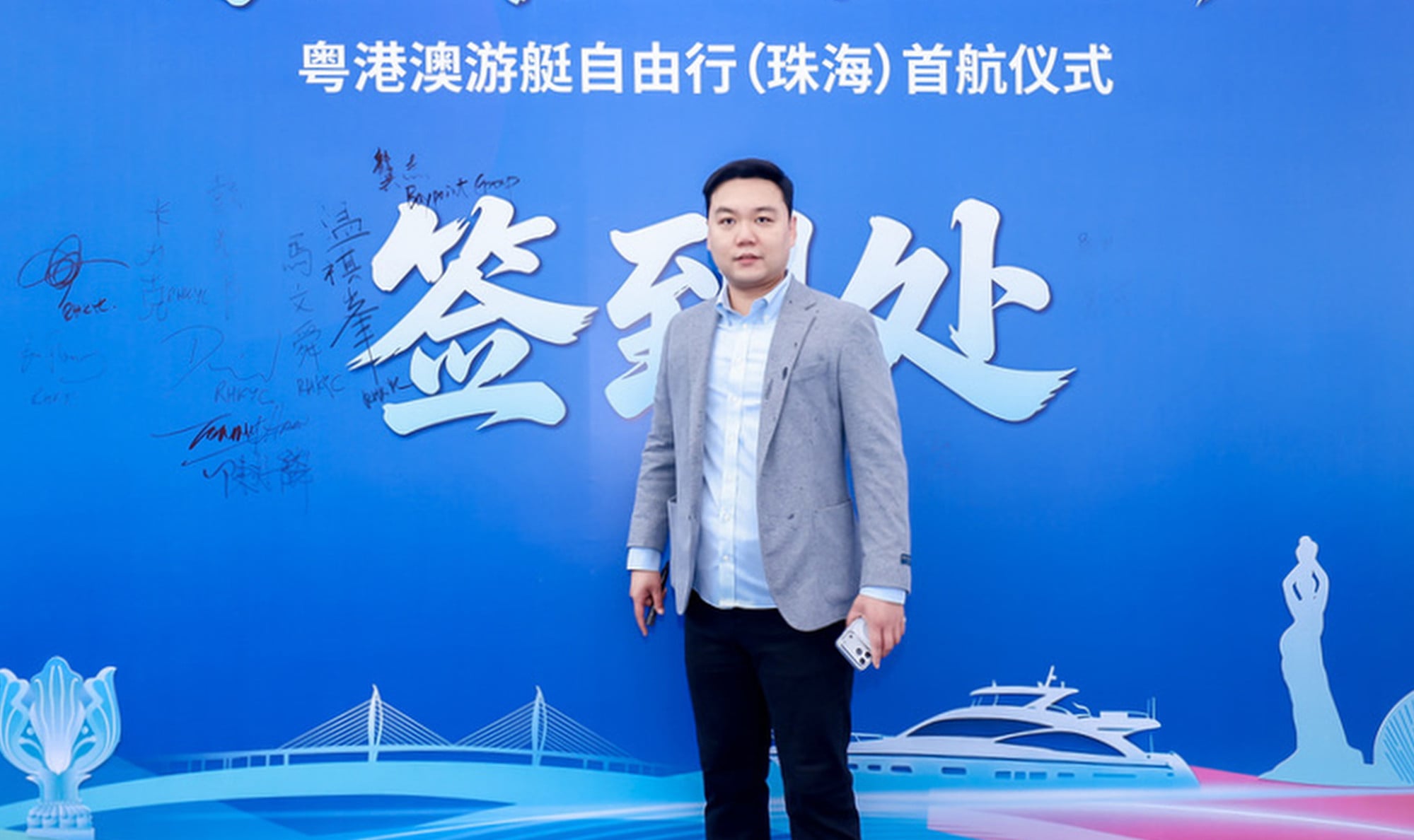
While Lau charges about HK$6,000 for standard processing, Kung noted that the high-end market commanded vastly different prices.
“For an 80-foot yacht, we are asking for HK$50,000 for the entire application fee,” Kung said. The charge covers paperwork, related fees for the first northbound journey, three days of management expenses with a mainland yacht club and berth rental in Zhuhai.
However, confusion remains among owners over an important issue.
“Many people think applying for the free travel scheme allows them to go for repairs or maintenance, which is not allowed. Actually, your yacht must enter and exit in the original condition,” Kung said.
Instead, owners must use a separate, recently launched bonded scheme in Zhuhai’s Jinwan district to bypass massive import taxes for heavy refits, he said.
Is Hong Kong ready for southbound yachts?
To prepare for the southbound scheme, the Marine Department has introduced several measures.
These include allowing visiting yacht operators to complete Hong Kong qualification exams on the mainland since June 12, submitting all health, immigration and port clearances through a one-stop electronic business system launched on June 29, and applying for five designated public anchorages without pre-booking private marina berths from July 8.
The anchorages are at Stanley Bay, Tai Tam Bay, Repulse Bay, Three Fathoms Cove in Sai Kung and Tai O.
To prepare mainland captains for Hong Kong’s busy waters, the department authorised two mainland centres in Shenzhen and Nansha to conduct local navigation exams and approved seven mainland institutions to offer certified courses.
As of July 24, 160 of 176 applicants had passed the exam or completed training since mid-June.
Once the southbound scheme was approved, mainland visitors could enjoy tax-free fine wines and imported seafood after arriving in Hong Kong by yacht, Kung and Liao said.
Pointing to the designated anchorage areas, Lau stressed the urgent need for better landing facilities and public shuttle boats to take passengers ashore.
“Getting on and off the boat is quite troublesome,” Lau said. “If you anchor in Stanley, how do you get ashore? When it’s so remote, there are no landing facilities.”
The Royal Hong Kong Yacht Club’s commodore, David Norton, who joined the Guishan voyage, said the club was organising another northbound trip in the coming month.
He said he believed the southbound scheme would not only cater to the ultra-rich, but also to sport sailors.
“The cost of mooring is like the cost of parking a car,” Norton said.
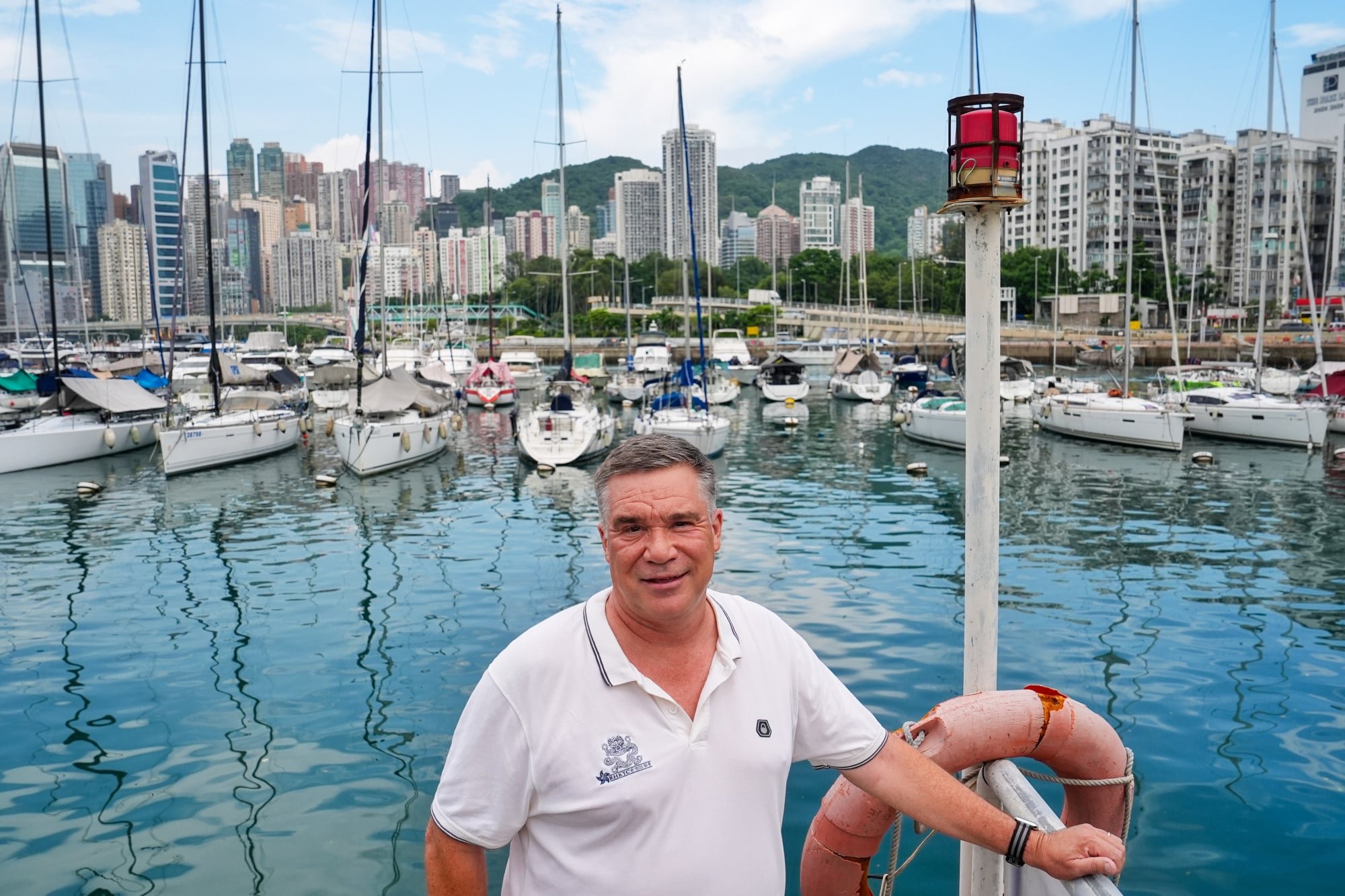
He added that a large number of people from fleets of smaller yachts generated far more economic activity onshore than a single superyacht.
However, the lack of an English-language system and Hong Kong’s congested harbours limited the scheme’s full potential, he added.
“Those sorts of facilities are things that the government should be working on – and they are working on it,” he said.
Beyond the yacht economy
Lawmaker Steven Ho Chun-yin said that the sector’s value extended far beyond basic tourism, aligning with calls to develop a supporting service industry chain covering yacht marketing, maintenance, certification and insurance.
“When superyachts come to Hong Kong, the owners are often here to discuss business, which drives our financial sector,” Ho said.
He said unlocking the sector’s potential required addressing institutional barriers to infrastructure investment.
He urged the government to allow operators to retain land for shipyards and improve amenities for sustainable investments, noting that 80 to 90 per cent of local firms held short-term tenancies of about seven years.
“Who would throw billions into a facility to only give it back in seven years?” Ho said.
He also called for more focus on the marine economy in Hong Kong’s first five-year plan.
Through the ongoing public consultation for the five-year plan, the government has signalled a willingness to gather views from all sectors of society to forge consensus on Hong Kong’s development road map.
“We need to establish a higher-level maritime economy committee,” Ho said. “Without a cross-departmental body, an individual department like the Marine Department will only focus on its own specific safety regulations.”
Hong Kong is facing a severe shortage of berthing spots, with 12,500 licensed yachts competing for only 4,300 available berths.
To ease the crunch, Lau, of the yacht service platform, suggested officially zoning existing typhoon shelters to separate leisure yachts from fishing boats and industrial barges.
“If the government regulates it well, it can be like a civilian yacht club,” he said.
Chen, of the institute, said he hoped the yacht industries in Hong Kong and the Greater Bay Area could integrate at a higher level, with Hong Kong focusing on exhibitions, design and trading.
“Once this service matures in the Greater Bay Area, the model can fully be promoted to places like Shanghai, Qingdao and other coastal regions,” Chen said.
He noted that the yachting scheme was a vital piece of China’s goal to rise as a marine superpower in the national 15th five-year plan for 2026 to 2030.
Hong Kong could serve as the hub for high-end maritime services for all of China, including design, trade, manufacturing, refinancing and insurance, he added.
“Hong Kong can serve as a bridgehead, as a brilliant pearl,” Chen said. “In this way, we can break the current Western monopoly on these high-end services and value addition.
“Hong Kong’s [role] in China becoming a marine superpower, what is its function? It must be this high-value-added shipping service.” -- SOUTH CHINA MORNING POST


