JAKARTA: Divorce marks the beginning of a new chapter, with parents learning to rebuild their lives while continuing to raise their children. For many, the challenge is compounded by former spouses who fail to provide child support consistently despite court orders.
Preparing for divorce involves more than navigating legal proceedings, according to Poppy R. Dihardjo, founder of the support group Perempuan Tanpa Stigma.
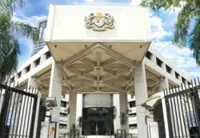
People also need time and support to adjust emotionally after separation, she said during the #BerbagiBeban discussion organised by online media outlet Magdalene at JPLive! Space in The Jakarta Post building in Jakarta in late June.
Grieving takes time, she said, and people need space to adapt to their new circumstances. Those around them should respond with empathy rather than judgment or unsolicited advice.
"They just want to be heard, that's it. You don't have to give your opinion. Just let them know, 'I'm sorry this is happening. I hope this is the best decision for you. What do you need right now? Just let me know,'" she said.
Poppy added that divorce also brings long-term responsibilities, particularly for mothers, who often become the primary caregivers.
For Nia, 28, who requested anonymity, rebuilding her life as a newly divorced mother in Jakarta also meant relying on a new support system.
After spending nearly a year apart from her daughter during a custody dispute, she eventually reunited with the child and relied on relatives to help balance work and caregiving.
Although the court ordered her former husband to pay at least Rp1.5 million (US$83) a month in child support, excluding education and healthcare expenses, Nia said the payments had been irregular.
"In the first month he didn't pay. Now sometimes he pays," she said.
Dwi, a 38-year-old single mother who asked to be identified only by her first name, has had a similar experience.
Following their 2021 divorce, an appellate court ordered her former husband to pay Rp3 million in monthly child support, with the amount increasing by 10 per cent each year.
He paid the full amount only once. Over time, the monthly transfers fell from Rp1 million to Rp500,000 and eventually to as little as Rp50,000, far below the amount stipulated by the court.
"It's not enough. When my child had to see a dentist, I couldn't even reach him," Dwi said.
Ica, a 50-year-old mother from Sumedang, West Java, has encountered similar difficulties, even though her former husband is a civil servant.
Under prevailing regulations, court-ordered child support can be deducted directly from a civil servant's salary.
The court ordered the father to pay Rp3 million a month in child support, excluding education and medical expenses. But the ruling has never been enforced through the payroll deduction mechanism.
"I still have to remind him to pay the child support," she said. "He made partial payments, but the amounts were entirely up to him and did not comply with the court order."
The experiences of Nia, Dwi and Ica reflect a broader problem facing many single parents, as court-ordered child support often goes unpaid.
Theresia Dyah Wirastri, director of the University of Indonesia's Centre for Women and Gender Studies, who has studied post-divorce child support, said Indonesia still lacked a mechanism to monitor and enforce child support orders after divorce.
"Unlike criminal cases, civil court rulings depend on the parties' good faith to comply," she said.
Several religious courts, including those in Bengkulu; Surabaya and Gresik in East Java; and Bontang, East Kalimantan, have introduced local initiatives in cooperation with regional administrations by restricting access to certain public services for former spouses who fail to comply with child support obligations.
The measures were highlighted in a December 2024 scoping study on post-divorce child and spousal support published by the National Development Planning Ministry/National Development Planning Agency (Bappenas) in collaboration with the Australia-Indonesia Partnership for Justice.
The Surabaya administration has barred more than 8,000 residents from accessing public services after they failed to comply with court-ordered child support obligations.
While welcoming such initiatives, Theresia said lasting solutions would require a nationwide enforcement mechanism.
"We need stronger coordination between the Supreme Court and relevant ministries to ensure child support orders are implemented," she said.
"The government should play a more active role in ensuring court-ordered child support is fulfilled." - Jakarta Post/ANN