




A tenant in a residential block in southern China called the police, reporting a smell resembling corpses in their building. It turned out that the odour was actually coming from a neighbour cooking with Guangdong’s traditional stinky vinegar.
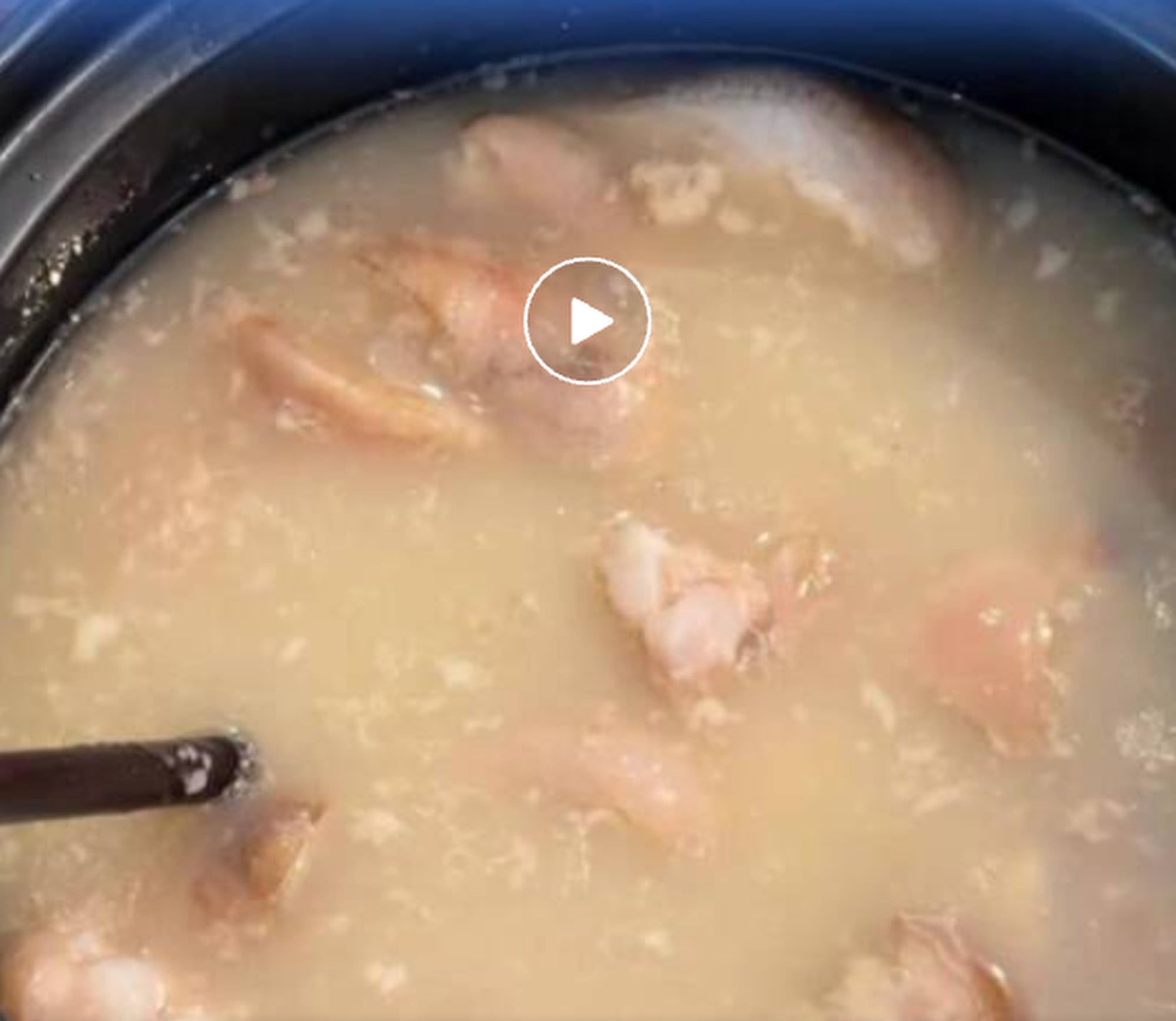
On July 14, a woman in Guangdong province, surnamed Chen, posted about someone calling the police to check on her home.
She stated: “My neighbour thought I was cooking a dead body,” while tagging “the power of stinky vinegar.”
The neighbour reportedly suspected that someone had died in a nearby unit, but it was, in fact, Chen preparing a soup that included the stinky vinegar.
Literally translated as “stinky fart vinegar” and also known as longevity vinegar, it is believed to be a traditional Guangdong ingredient with a history spanning 2,000 years.

According to legend, it was invented when a filial, poor man begged for food and preserved fried rice in a jar to save for future meals for his sick mother.
Living in a dilapidated house without a proper roof, the jar was filled with rainwater, causing the rice inside to ferment and develop a foul odour.
One day, when he received no food, he cooked the rice and fed it to his mother. Miraculously, she recovered after a few days.
People soon realised that the “stinky water” had healing properties, leading the man to open his own “stinky vinegar” shop, passing on the knowledge of its production to others in the community.
Stinky vinegar is now recognised as an intangible cultural heritage in several regions of Guangdong, including Huadu district in Guangzhou and Fogang county.
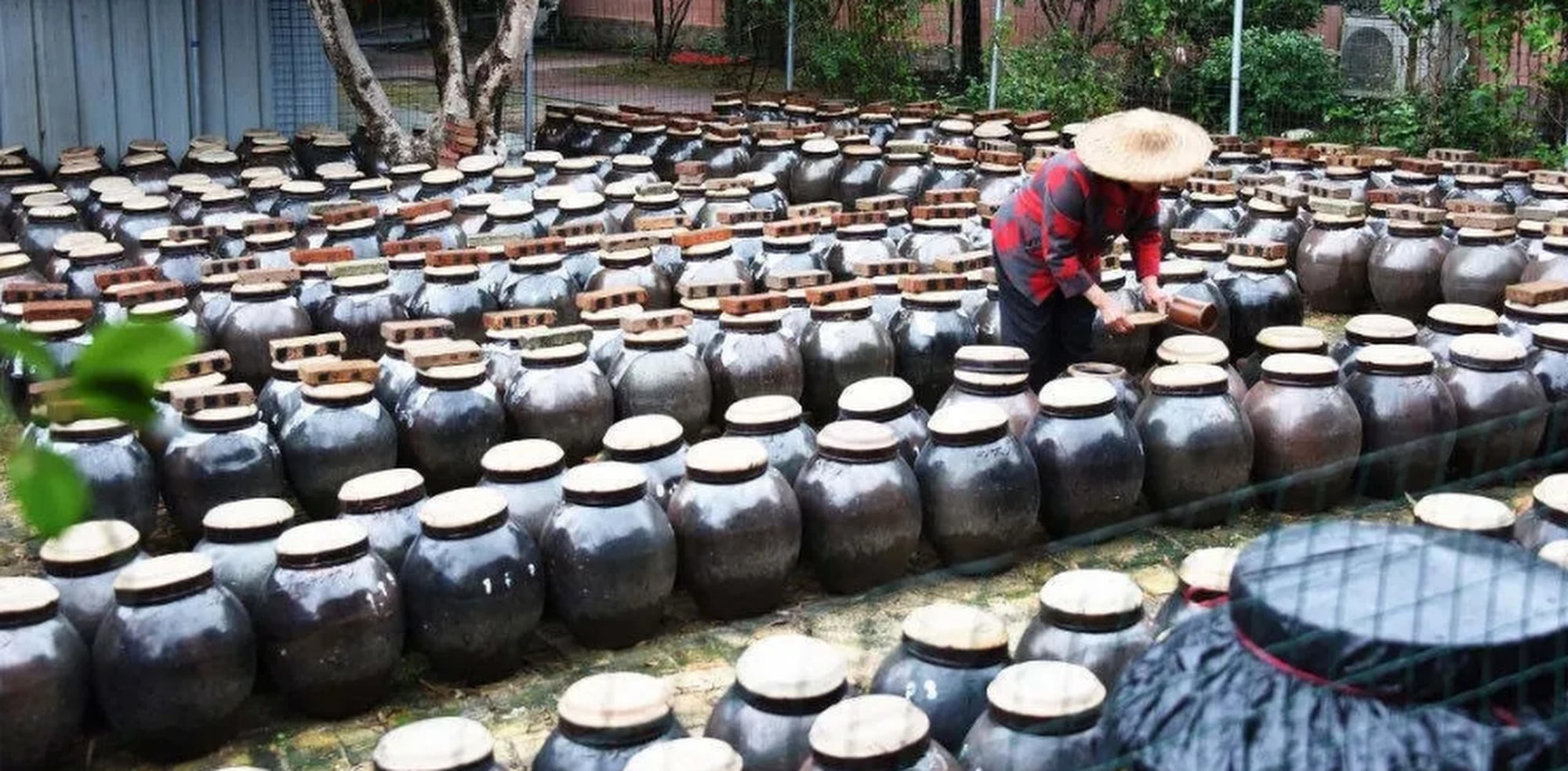
Huang Weihua, an officially recognised inheritor of stinky vinegar in Huadu, explained that he uses specially sourced broken rice as the main ingredient, stir-frying it for over 40 minutes until it turns golden, then placing it in a jar with natural spring or well water to ferment for three months.
This vinegar is also referred to as “liquid durian,” and, similar to durian, it has a pungent smell that some find off-putting, but it is considered delicious in taste.
According to the Chinese pharmacopoeia Bencao Gangmu, or the Compendium of Materia Medica, vinegar can stimulate appetite, alleviate blood stasis, promote digestion, and detoxify the body. Stinky vinegar is particularly believed to be effective in relieving summer heat and fatigue in Guangdong’s hot and humid climate.
Traditionally, it was cooked with pig’s feet, ginger, and eggs for women during post-partum confinement to nourish their bodies. Elderly women in families would ferment the vinegar for three months before the expectant mother’s due date so that it would be ready by the time the baby arrives.
Families with newborns would also share their home-made stinky vinegar with neighbours, wishing for a “good grandchild,” as “sour” in Cantonese sounds similar to “grandchild.”
The misunderstanding in Chen’s neighbourhood sparked humorous reactions online.
“This is the first time I’ve heard that cooking soup can be mistaken for a crime. The neighbour is a genius,” one commenter said.
“The longevity vinegar really stinks. My son once had chicken feet cooked in it, and his fingers smelled terrible afterwards,” noted another.
“I cooked stinky vinegar at home in Shenzhen once, and my neighbour warned that if I did it again, they’d ‘teach me a lesson,’” shared a third. -- SOUTH CHINA MORNING POST


