In a closely watched outcome, Canada on Monday chose a major German defence contractor over its South Korean competitor to build a US multibillion-dollar fleet of submarines, as mid-tier nations increasingly work together in the face of a less reliable United States.
Canadian Prime Minister Mark Carney said that Ottawa chose Thyssenkrupp Marine Systems’ (TKMS) package over Hanwha Ocean Company’s. The move was expected to strengthen ties between Canada and Nato, which is holding a two-day summit in Ankara, Turkey, starting on Tuesday.
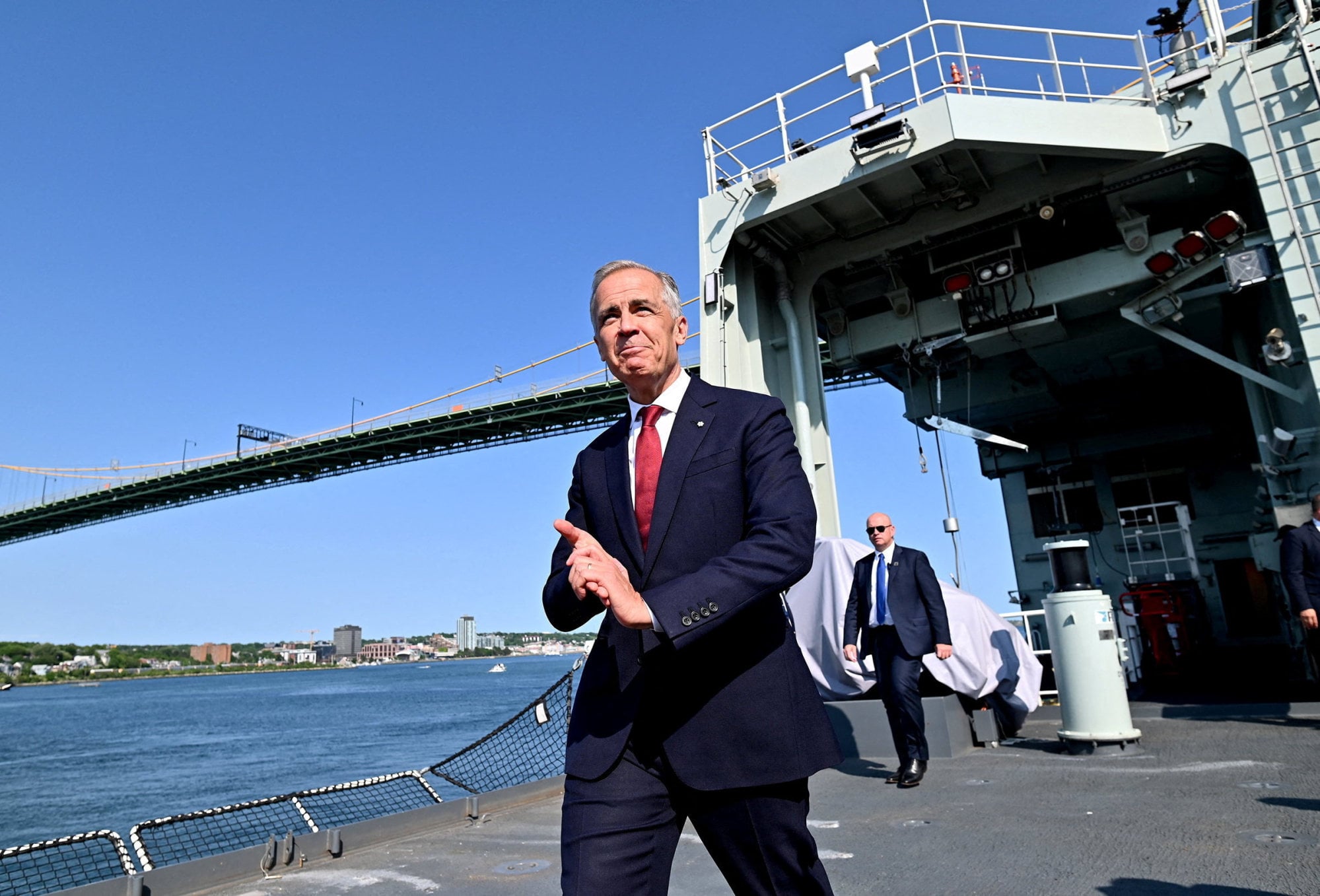
“As part of our commitments to defend Canada and support our allies, I am pleased to announce that Canada has selected TKMS,” said Carney in Halifax shortly before heading to the summit in Ankara. He added that there were still many other areas where Canada and South Korea can work together.
As US President Donald Trump has stepped up his criticism of Nato, undercut allies and destabilised trade ties, many of Washington’s closest partners have distanced themselves, building ties with other countries to explore trade and defence deals that circumvent the US.
“While South Korea will understandably be disappointed, it would be premature to infer from one decision, albeit a critical one, that Canada is privileging Europe over Asia in its foreign policy,” said Ali Wyne, senior adviser with International Crisis Group.
“The bigger story is that a growing number of countries, with Canada one of the most vocal, are working to de-risk from both the United States and China by strengthening security and economic ties among themselves.”
Canada announced in 2024 that it was in the market for 12 submarines, a number that Carney said remains flexible.
The nation’s existing used United Kingdom-made Victoria-class vessels were expected to be taken out of service in the mid-2030s. Built between 1983 and 1993, these are based on British Royal Navy Upholder-class subs then sold used to Ottawa.
Carney satisfied with German and South Korean tenders
Carney made it clear in February that Canada would be happy with either the German or the South Korean offerings, seen as a way to bolster Ottawa’s Arctic security.
The winning bid depended, Carney added, on equipment “that spurs reinvestment into the Canadian economy” and ensures “sovereign control over the operation and sustainment of the newly acquired assets”.
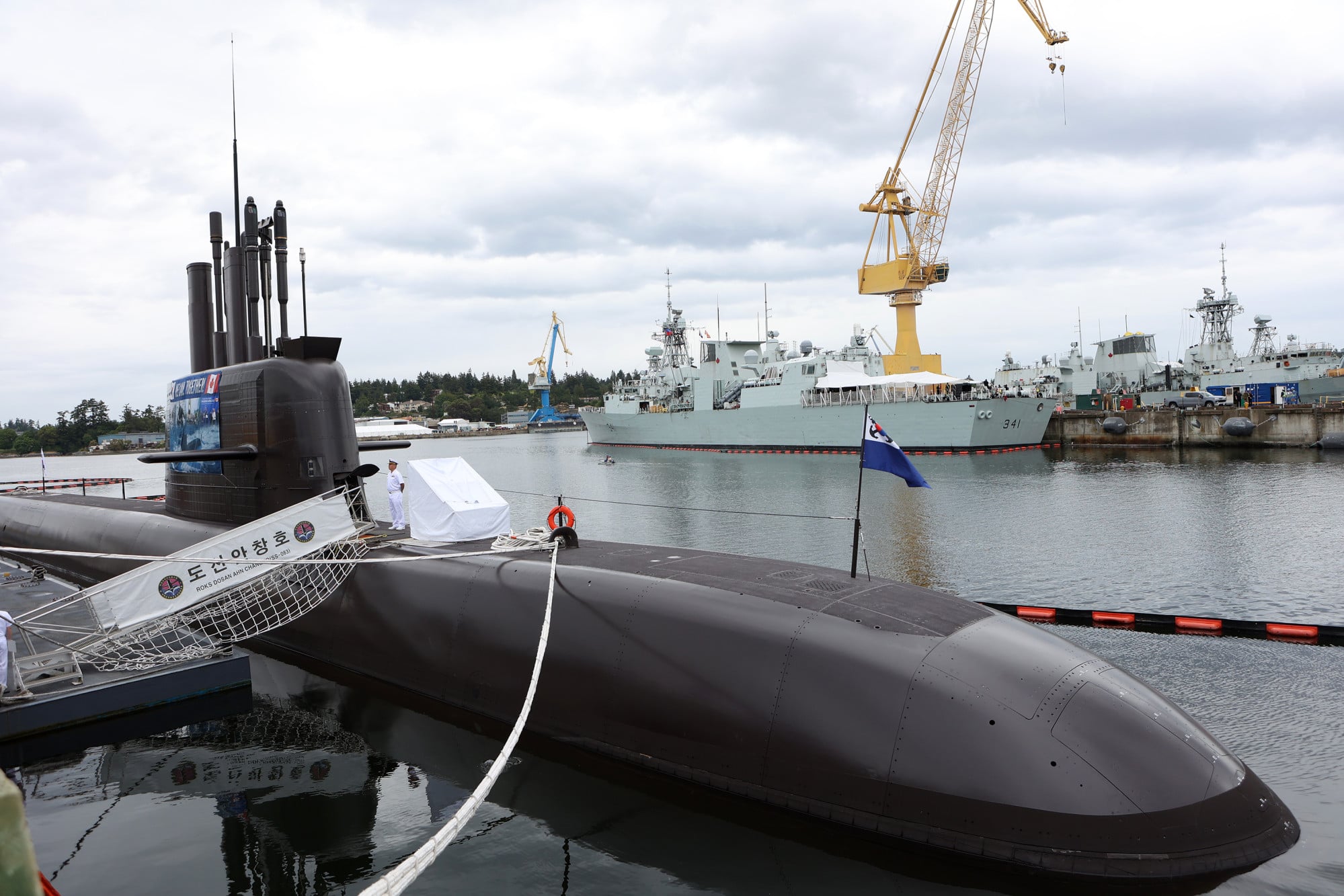
Hanwha offered to deliver four customised KSS-III’s by 2035, an advanced, 3,000-tonne diesel-electric attack submarine already actively deployed by Seoul’s navy.
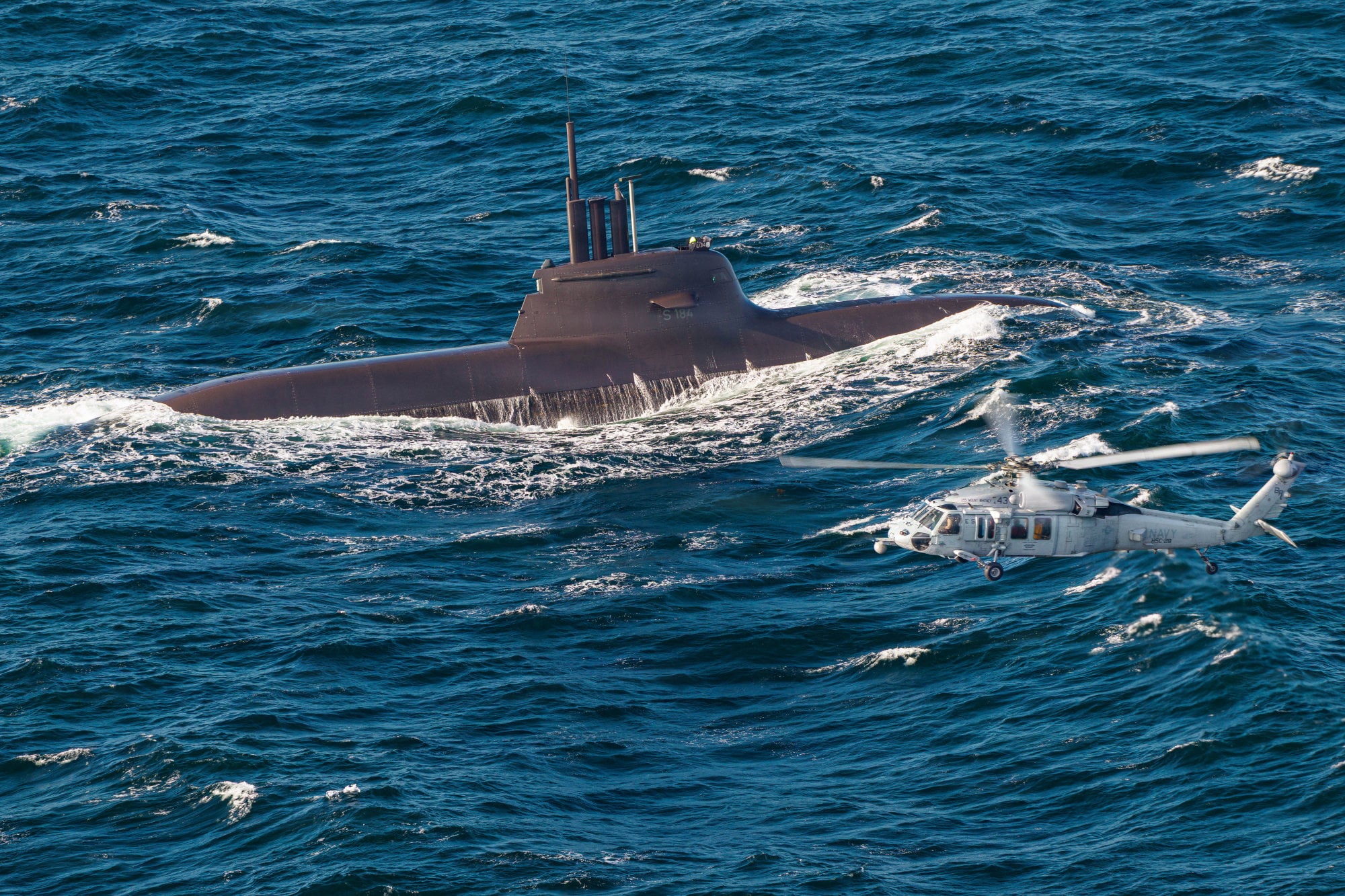
TKMS countered that it could deliver its first four 212CDs by 2036, a scaled-up 2,500-tonne version of its 212A model.
As the competition heated up, South Korea touted its active production line, advanced propulsion system and huge payload. In May, it even sailed a KSS-III vessel to Vancouver, a gruelling 14,000km (8,700-mile) trip, as part of its aggressive marketing campaign.
By contrast, Germany offered a radically redesigned diamond-shaped hull to better frustrate sonar detection, an ultra-quiet fuel-cell propulsion system with no moving parts and “optronics masts” that can be raised and lowered in seconds, avoiding the vulnerability of traditional periscopes.
Because South Korea already has an active production line, it quoted a package price of about C$24 billion (US$16.9 billion) for the vessels and some C$100 billion (US$70 billion) for up to 50 years of maintenance.
Germany was less specific with its cost breakout given that its radical new design carries a higher risk premium. But since Germany and Norway have already agreed to buy six of the vessels each, TKMS said future “life cycle” costs, such as software, maintenance and parts, would be spread across the allied group.
The German company was hoping the cutting-edge vessel becomes the standard for conventional Nato submarines.
In light of the stated importance of Canadian economic benefits in securing the deal, Hanwa claimed that at least C$70 billion in economic value and 430,000 job-years, a metric used to measure one full-time job for exactly one year, would accrue.
TKMS, meanwhile, said its deal offered at least C$160 billion in economic value and 650,000 job-years.
‘America first’ policies leave Canada looking for other partners
The US president’s “America first” policies have also led more countries to increase their national security budgets, no longer confident that the US will come to their aid.
Carney has been among the most pointed leaders in challenging Trump’s muscular approach.
Since he took office in 2025, he has backed major increases in Canadian military spending and warned that Canada relies too heavily on Washington for its security, even as he has sought deeper defence ties with European Nato allies.
Nato members agreed at their summit last year to spend five per cent of GDP individually on defence and security-related investments by 2035. Canada, a founding member of the alliance in 1949, has reached the 2 per cent level, well ahead of most other counterparts.
In the wake of the second Trump administration’s aggressive 2025 “Liberation Day” tariff blitz and an increasingly isolated “America first” foreign policy, mid-tier powers are increasingly building exclusive, parallel coalitions to gain what they call “strategic autonomy”.
“Countries like Canada are not just in conceptual mode,” said Abishur Prakash, a Toronto-based geopolitical strategist at The Geopolitical Business advisory firm. “They’re not bluffing, but instead thinking of security arrangements that exclude America.
“This is snowballing in Canada and Europe,” he added. “Defence is one of the rebalancing blocks alongside trade and energy.”
Examples on the trade front include the landmark Canada-China trade deal signed by Carney, who publicly noted that Beijing had become a more “predictable” trading partner than Washington amid constant US tariff threats.
Similarly on the defence front, middle European powers are bypassing US-dominated supply chains by building direct defence ties in Asia. France and India elevated their relationship to a “Special Global Strategic Partnership” in February, signing direct agreements on military science, critical minerals and joint defence production.
Prakash added that Monday’s decision could see Trump punish Canada further and could work in China’s favour as the West becomes more fragmented. -- SOUTH CHINA MORNING POST