PHNOM PENH: More than 20,000 Cambodians regained their sight through cataract surgery last year, as efforts to eliminate avoidable blindness continue to gather momentum, with eye health experts calling for sustained investment to ensure essential services reach those most in need.
The latest results from international development organisation The Fred Hollows Foundation show significant progress in expanding access to eye care across Cambodia through partnerships with the Ministry of Health and provincial hospitals.
Alongside cataract surgery, thousands of people received eye screening, treatment for other vision conditions and prescription glasses, while healthcare workers and teachers were trained to strengthen eye care services nationwide.
Despite the progress, cataracts remain the leading cause of avoidable blindness in Cambodia, particularly among older people living in rural areas where access to specialist treatment can be limited by distance and cost.
The foundation’s Cambodia country manager, Tokyo Bak, said improving access to affordable eye care was about far more than restoring vision.
“For many people in Cambodia, eye health services remain unaffordable and inaccessible to those most in need,” he said.
“But by working with government partners we are strengthening the eye health system and developing the workforce we need to end avoidable blindness in Cambodia,” he added.
He explained that restoring sight has far-reaching benefits, enabling people to return to work, children to continue their education, older people to remain independent and families to avoid unnecessary financial hardship.
While more than 90 per cent of vision loss is preventable or treatable, Bak said greater investment would be needed to ensure services continue expanding to meet growing demand.
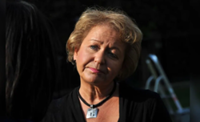
The impact of that work is perhaps best illustrated by the experience of 58-year-old Sokheap from Kampong Chhnang province.
For years, Sokheap earned a living selling papaya salad and meatballs from a roadside stall, often working through the night alongside one of her daughters. The business supported not only herself but also her children and grandchildren.
When cataracts gradually stole her sight, however, everything changed.
Eventually becoming completely blind, Sokheap was forced to stop working. One of her daughters gave up her own job in Phnom Penh to care for her full time, while her five-year-old grandson guided her around the house and helped with even the simplest daily tasks.
“I really wanted to see the faces of my daughters and grandchildren again,” she said.
After hearing about a community outreach programme supported by The Fred Hollows Foundation and the Australian NGO Cooperation Program, Sokheap attended a screening clinic where specialists diagnosed cataracts and recommended surgery.
Like many people in her community, she had heard rumours that cataract surgery could make blindness worse. Eye specialists at Kampong Chhnang Provincial Hospital say such misconceptions remain one of the biggest obstacles to encouraging people to seek treatment, despite cataract surgery being one of the safest and most successful medical procedures performed worldwide.
Following reassurance from medical staff, Sokheap decided to undergo the operation.
The results were immediate.
The morning after surgery, she was able to read every line on the vision chart before walking unaided from the examination room. Returning home, she rushed to embrace her grandson after seeing him clearly for the first time in months.
Today, she hopes her own experience will encourage others not to delay seeking treatment for vision problems.
For The Fred Hollows Foundation, stories such as Sokheap’s demonstrate that restoring sight is not simply a medical intervention but an investment in families, communities and Cambodia’s future.
By continuing to strengthen local health services, train eye care professionals and improve access to affordable treatment, the Foundation and its partners aim to ensure that thousands more Cambodians can enjoy the opportunity to see, work and live independently once again. - The Phnom Penh Post/ANN