Lutao Cen was swimming off Margarita Island, where he has lived for four decades, when twin earthquakes measuring above magnitude 7 struck northern Venezuela within two minutes.
Only after returning to shore did he learn what had happened.
Messages flooded his WeChat feed. Friends in Caracas, Valencia and Maracay described buildings collapsing and streets filled with dust. Then came the news he had feared most.
A close friend in La Guaira, chairman of the local Chinese association, had been seriously injured after his shop collapsed. Three workers were killed. His 13-year-old daughter died beneath the rubble.
“I was devastated,” Cen said.
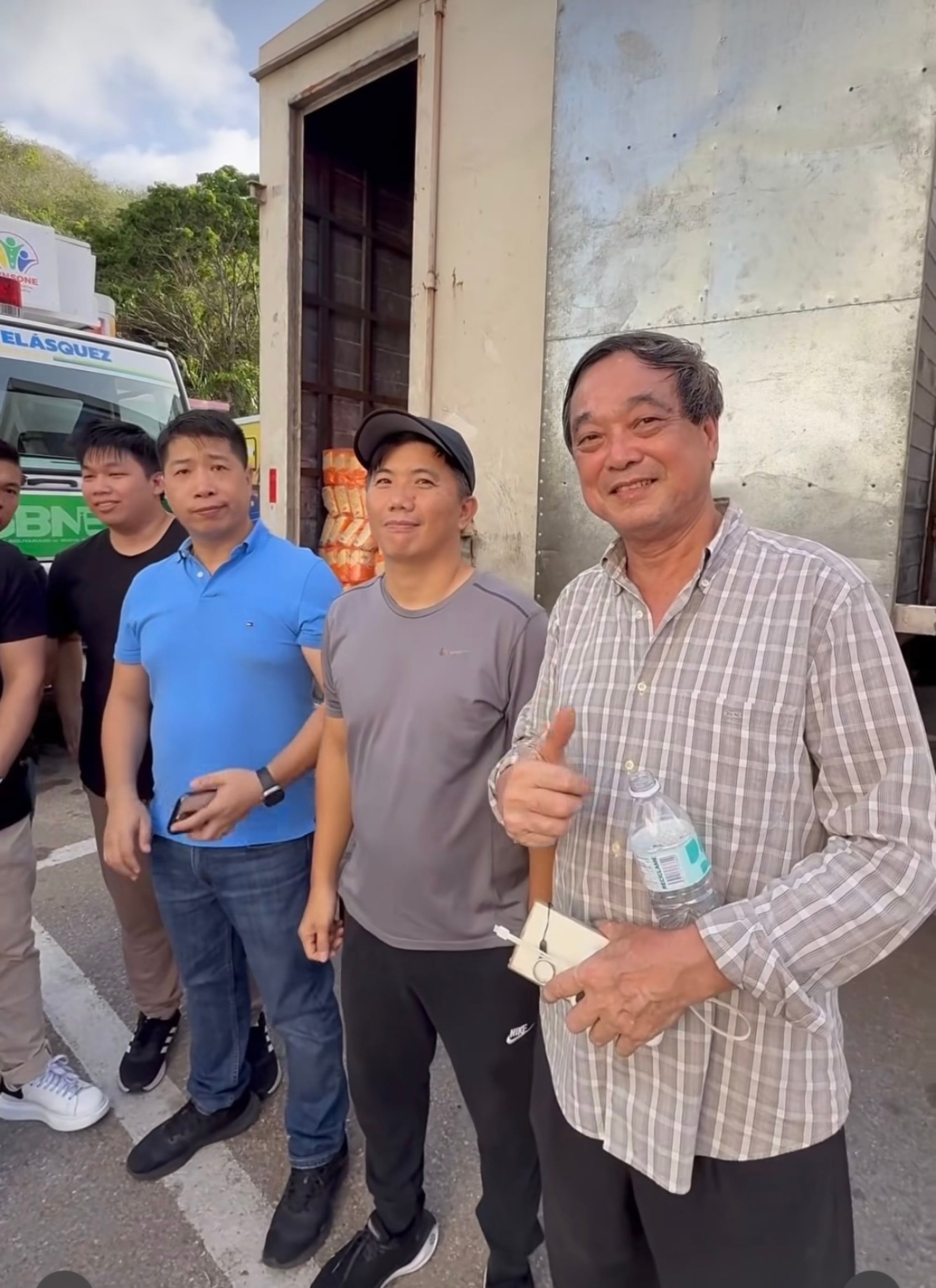
For generations, Chinese migrants built businesses in Venezuela. After the country’s deadliest earthquake in decades – which has killed nearly 1,500 people, injured more than 3,100 and displaced over 12,700 – they responded not as outsiders but as Venezuelans, drawing on community networks that stretched from Guangdong to Caracas to deliver aid when it was needed most.
With telephone lines and internet services down across the disaster zone, Cen spent the night of June 24 trying unsuccessfully to reach community leaders.
By the following morning, Chinese associations across Venezuela had already begun organising relief.
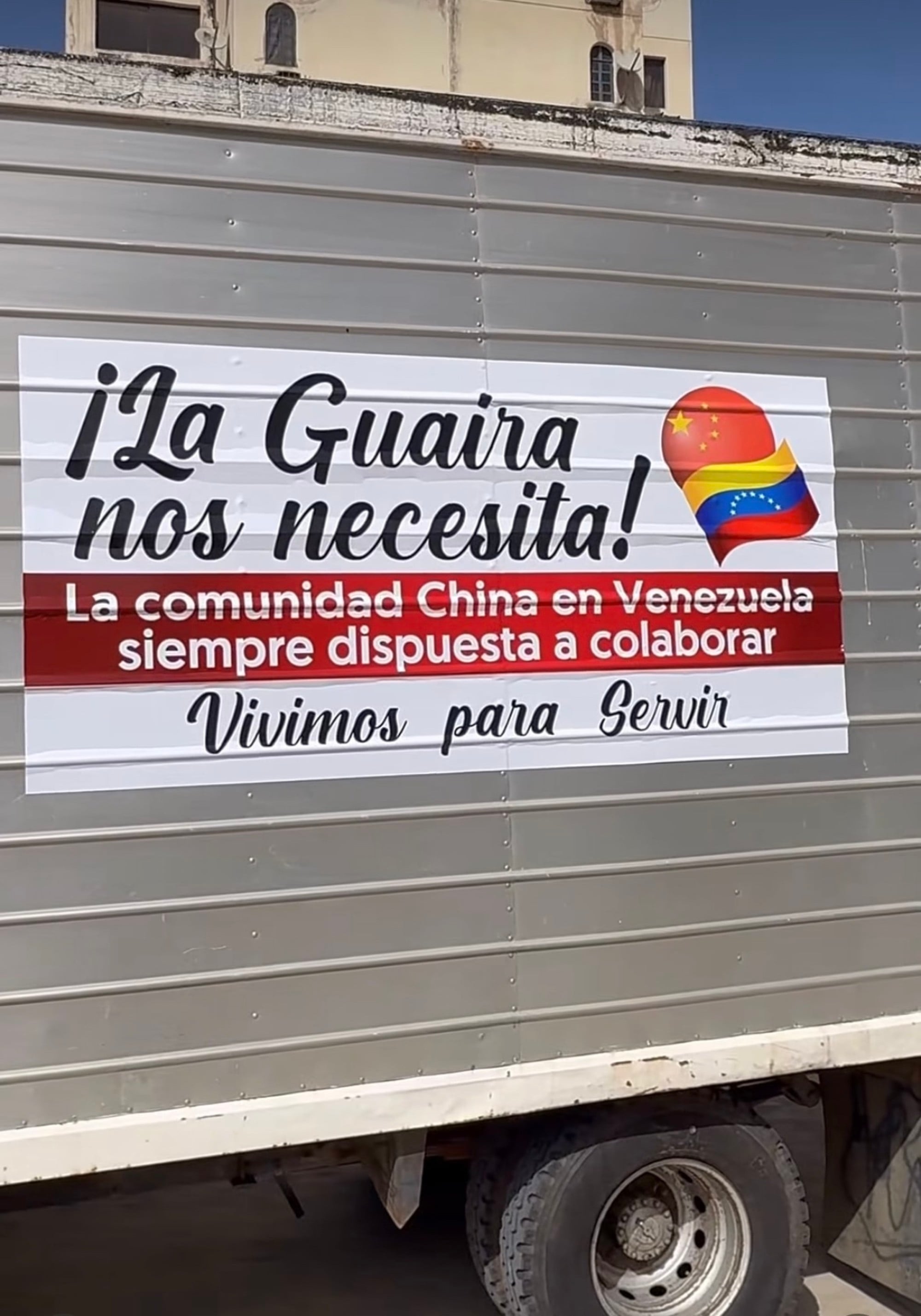
Within 24 hours, Cen said, the Chinese community on Margarita Island – fewer than 1,000 people – had gathered more than 70 tonnes of donated supplies from local businesses. A convoy of 13 trucks carried food, water and other essentials towards the disaster zone.
Similar scenes unfolded hundreds of kilometres away in Monagas state.
“There was no time to wait,” said Mignia Chang, one of the organisers of a relief campaign led by Chinese merchants there. “The message inside the community was simple: we have to act now.”
Merchants donated goods directly from their inventories. Businesses became collection centres. Volunteers packed boxes while younger generations used social media to coordinate deliveries, circulate lists of urgent needs and reconnect families separated by the disaster.
Those relief networks were not built overnight.
Most Chinese Venezuelans trace their roots to Enping, a county-level city in China’s southern Guangdong province.
Over successive waves of migration, families established grocery stores, restaurants and wholesale businesses across Venezuela, creating commercial and community ties that still bind the diaspora today.
That history helps explain the speed of the response. According to the Chinese embassy in Caracas, Chinese community organisations across Venezuela have donated about 500 metric tonnes of humanitarian supplies, including drinking water, food, diapers, milk and medicines, reaching roughly 10,000 affected families.
The community’s efforts came as Beijing announced an additional 100 million yuan (US$14.7 million) in relief supplies for Venezuela and said it was providing satellite imagery to support rescue operations.
For Cen, those commercial ties quickly became humanitarian ones.
Calls and messages poured in not only from Margarita, but from Chinese associations in other Venezuelan cities, overseas Chinese and even former residents who had left the country. Donations arrived in tonnes rather than boxes.
“The bond among our people is stronger than blood,” he said, recalling how some community members joined rescue efforts before dealing with their own damaged businesses.
For Chang, daughter of Chinese immigrants from Enping, the response reflected something even broader than solidarity within the Chinese community.
“Venezuela is our home,” she said. “Many of us were born here. We are fully integrated with the Venezuelan people. We have shared everyday life for years as neighbours, merchants and friends.”

She said the outpouring reflected something deeper than solidarity.
“The pain of others became our own.”
Even as trucks continue leaving for the affected regions, organisers say their biggest concern is that public attention may fade long before reconstruction is complete.
“The first days always bring an enormous desire to help,” Chang said. “But rebuilding will take much longer. We cannot leave our people alone.” -- SOUTH CHINA MORNING POST