




Factoring Hong Kong’s deadly Tai Po fire into a civil service pay review has dealt a blow to staff morale and risks creating perceptions of populism, unions have warned, saying a proposed 2 per cent across-the-board rise fails to offset inflation or reflect overall performance.
Human resources experts, however, said public sentiment had to be considered as pay adjustments involved allocating taxpayers’ money, while the modest rise would have a very limited impact on the private sector.
The backlash from unions came ahead of a meeting on Wednesday between Secretary for the Civil Service Ingrid Yeung Ho Poi-yan and staff representatives.
The Executive Council, the city’s top decision-making body, will then make a final decision on the increase.
Asked on Tuesday whether the 2 per cent figure – lower than previously proposed – was linked to the performance of individual civil servants in relation to the Tai Po fire, Yeung said any decision made by Exco had taken “public perception and acceptance” into account.
A hearing into the inferno, which killed 168 people last November, revealed bureaucratic failures, buck-passing among government departments and mishandling of public complaints.
Tsoi Koon-lung, president of the Hong Kong Chinese Civil Servants’ Association, argued that the government should refrain from overemphasising public sentiment and instead focus on assessing overall staff performance.
“If the Executive Council decided on a significantly below-inflation pay rise because of the Tai Po fire or other individual incidents, this would be kowtowing to populism and a highly undesirable move,” he said.
Tsoi added that the adjustment reduced civil servants’ purchasing power and would harm morale.
While Yeung said future financial commitments required the government to remain prudent, Tsoi noted that civil service pay adjustments had historically tracked actual economic conditions, such as gross domestic product (GDP) growth and the rate of inflation.
“This leaves us at a loss. Are you looking at lagging indicators or leading indicators?” Tsoi said.
“It seems that every time, the indicators are excuses to freeze salaries or suppress the adjustment, which is really unconvincing.”
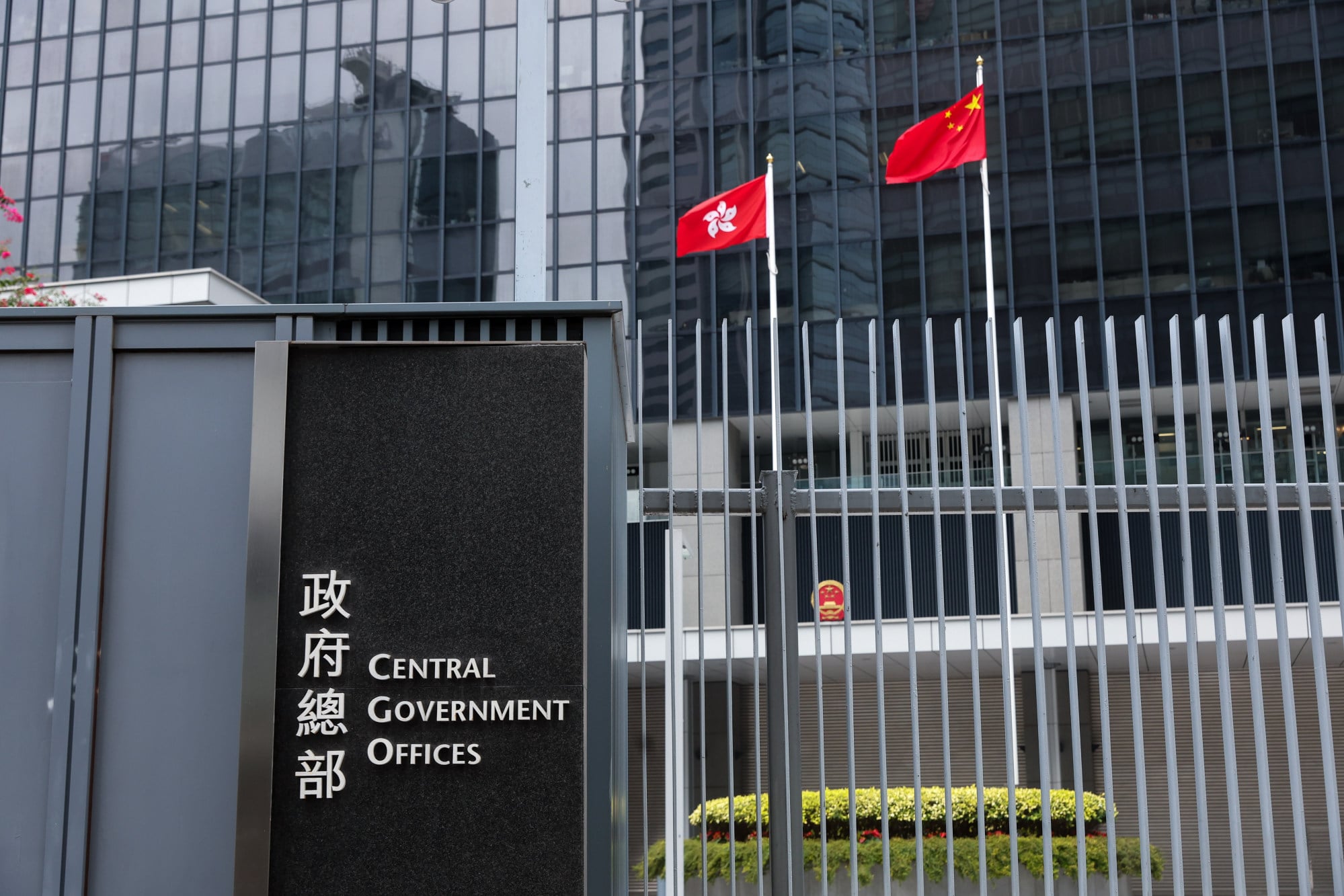
Leung Chau-ting, who heads the Federation of Civil Service Unions, echoed those concerns, saying: “All civil servants are being subjected to the same consequences as those who have made mistakes in the fire. That should not be the case.
“Junior civil servants have provided many services, including unpaid work. All civil servants are also facing a reduction in the establishment – more than 10,000 posts over two years – without affecting efficiency.”
He also said the 2 per cent pay rise could not offset the previous pay freeze and inflation, which was a particular blow to junior civil servants with a lower salary base.
The government froze civil servants’ pay last year, while Exco approved a flat 3 per cent increase in 2024.
Hong Kong’s inflation rate was 1.4 per cent in 2025. The government raised its headline inflation forecast for 2026 to 2.6 per cent, up from 1.8 per cent projected in February’s budget.
Veteran human resources consultant Alexa Chow Yee-ping said the proposed pay rise was expected, given the implications of the Tai Po tragedy.
“The fire has reflected a widespread problem among the civil servants. It can be a key factor, as the incident is very tragic. Public sentiment has to be a key factor,” said Chow, managing director of ACTS Consulting.
Chow added that the authorities had to consider the government’s financial burden, as a pay rise would mean an increase in recurrent costs and geopolitics could affect tax income and had brought extra expenses, such as short-term subsidies to address rising fuel prices.
She said the figure would have no impact on the private market, as most companies had completed their pay adjustment exercise, and it was too early to serve as next year’s reference.
Anna Tsui Po-yung, a senior lecturer at the Chinese University of Hong Kong’s department of management, agreed that the pay adjustment would have a very limited impact on the private sector.
Andrew Kwok Chi-wah, president of the Hong Kong Small and Medium Enterprises Association, said the civil service pay rise could serve as a reference for private companies, except for catering and retail businesses, which were struggling to survive.
He noted that some companies might even offer a pay rise higher than 2 per cent to retain staff.
The survey released last month recommended increases of 4.12 per cent for senior civil servants, 2.64 per cent for middle-ranking staff and 1.17 per cent for junior employees.
Leung said the pay rise for junior civil servants normally followed that of the middle-ranked staff.
Hong Kong has about 170,000 civil servants. -- SOUTH CHINA MORNING POST


