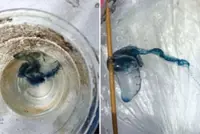
KRABI (The Nation Thailand/ANN): Thailand’s Department of National Parks, Wildlife and Plant Conservation has stepped up marine safety measures in Krabi after highly venomous jellyfish-like Portuguese man-of-war were found in two national park areas, prompting red-flag warnings and swimming bans at affected beaches.
The warning was issued after proactive patrols found the creatures, known in Thai as “mangkaphun fai muak Portuguese”, in areas under the responsibility of Mu Ko Lanta National Park and Hat Noppharat Thara-Mu Ko Phi Phi National Park.
The Portuguese man-of-war is named for its striking resemblance to a 18th-century armed sailing warship (a “man-of-war”) at full sail.
Officials have ordered lifeguards and park protection units to raise red flags and strictly prohibit swimming in affected areas, while coastal patrols continue on a 24-hour basis.
The first report came from Mu Ko Lanta National Park, where officers found jellyfish-like Portuguese man-of-war washed ashore at Laem Tanod during a routine beach safety patrol on the morning of June 5.
The park immediately activated emergency safety measures, raised red flags and banned tourists from entering the water in the area.
On the same day, Hat Noppharat Thara-Mu Ko Phi Phi National Park reported further sightings by protection unit officers at PP 7 on Phi Phi Don Island.
The creatures were found floating in the sea and washed ashore at key tourist spots, including Ao Ling and Sam Hat.
The park has since increased surveillance and issued warnings to tour boat operators and tourists in the area.
Jinda Srisuppatpong, director of the Marine National Parks Management Division under the National Parks Office, said the jellyfish-like Portuguese man-of-war, or Physalia physalis, is among the world’s most dangerous venomous marine creatures.
It is recognised by its blue or purple gas-filled float, which resembles an old Portuguese naval warship’s sail, and by long tentacles that can stretch several metres.
Officials warned that the danger remains even when the creature is dead or washed up dry on the beach. Venom in the tentacles can still cause serious harm if touched.
Contact may cause severe burning pain, rash-like skin injuries and effects on the nervous system and heart muscles. In severe cases, victims may experience breathing difficulty, loss of consciousness or life-threatening reactions.
Park officials are patrolling beaches and using patrol boats to clear affected areas under safety procedures. Tourists have been urged to follow these instructions:
* Do not touch them under any circumstances, whether they are in the water or on land.
* Do not pick them up for photos or play with them.
* Report sightings immediately to the nearest park officer or lifeguard.
* Wear shoes when walking on the beach.
* Avoid swimming in areas where red warning flags are displayed.
Park medical teams and lifeguards advised anyone who may have touched a Portuguese man-of-war to take these steps while waiting for professional help:
* Leave the water immediately and stay calm.
* Do not rub or scrub the affected area, as this may worsen venom release.
* Monitor breathing and heartbeat closely.
* Seek medical treatment immediately or alert park officers for urgent first aid and transfer.
Officials said tourist safety remained the top priority and that surveillance would continue until they were confident the venomous creatures had been cleared from tourism areas. -- THE NATION THAILAND/ASIA NEWS NETWORK