The administration of US President Donald Trump has proposed new tariffs of up to 12.5 per cent on imports from China and dozens of other trading partners, using a forced-labour investigation to advance what analysts see as a bid to rebuild its tariff regime after recent court setbacks.
The Office of the US Trade Representative (USTR) said on Tuesday that China and 59 other economies failed to prohibit or adequately restrict US imports made with forced labour, subjecting them to punitive action under Section 301 of the Trade Act of 1974.
Trading partners decried the move.
China’s Foreign Ministry said the US findings were a pretext for “political manipulation”, while Bernd Lange, chairman of the European Parliament’s trade committee, termed the US findings “utterly absurd”, arguing that the EU had already adopted some of the world’s strictest rules targeting products made with forced labour.
As outlined, China, Japan, India, South Korea, Australia and Vietnam would face tariffs of 12.5 per cent under the plan. And the European Union, Britain, Canada and Mexico would face 10 per cent levies because they have committed to forced-labour import restrictions.
The proposal is subject to public comment due by July 6 and hearings on July 7 before any final decision, although analysts said the outcome appeared largely preordained.
Growing significance of Section 301 in Trump’s trade arsenal
The move also highlights the growing importance of Section 301 in Trump’s trade arsenal after courts struck down several of his sweeping – and highly disruptive – tariff measures earlier this year.
“Section 301 is now becoming the trade tool of choice for the Administration in light of legal setbacks,” said Wendy Cutler, senior vice-president at the Asia Society Policy Institute.
“It has been typically targeted to one or a few countries, unlike the 60-country investigation under forced labour.”
This is all “part of a deliberate strategy by the Trump administration to rebuild the president’s tariff wall following the Supreme Court’s ruling in February”, added Nick Marro, global trade lead at the Economist Intelligence Unit.
New duties were always likely, he added, regardless of the merits of the investigations themselves.
The US Supreme Court ruled in February that Trump exceeded his authority by using emergency powers to impose broad tariffs on trading partners. The administration subsequently turned to temporary tariffs while pursuing alternative legal pathways to sustain its trade agenda.
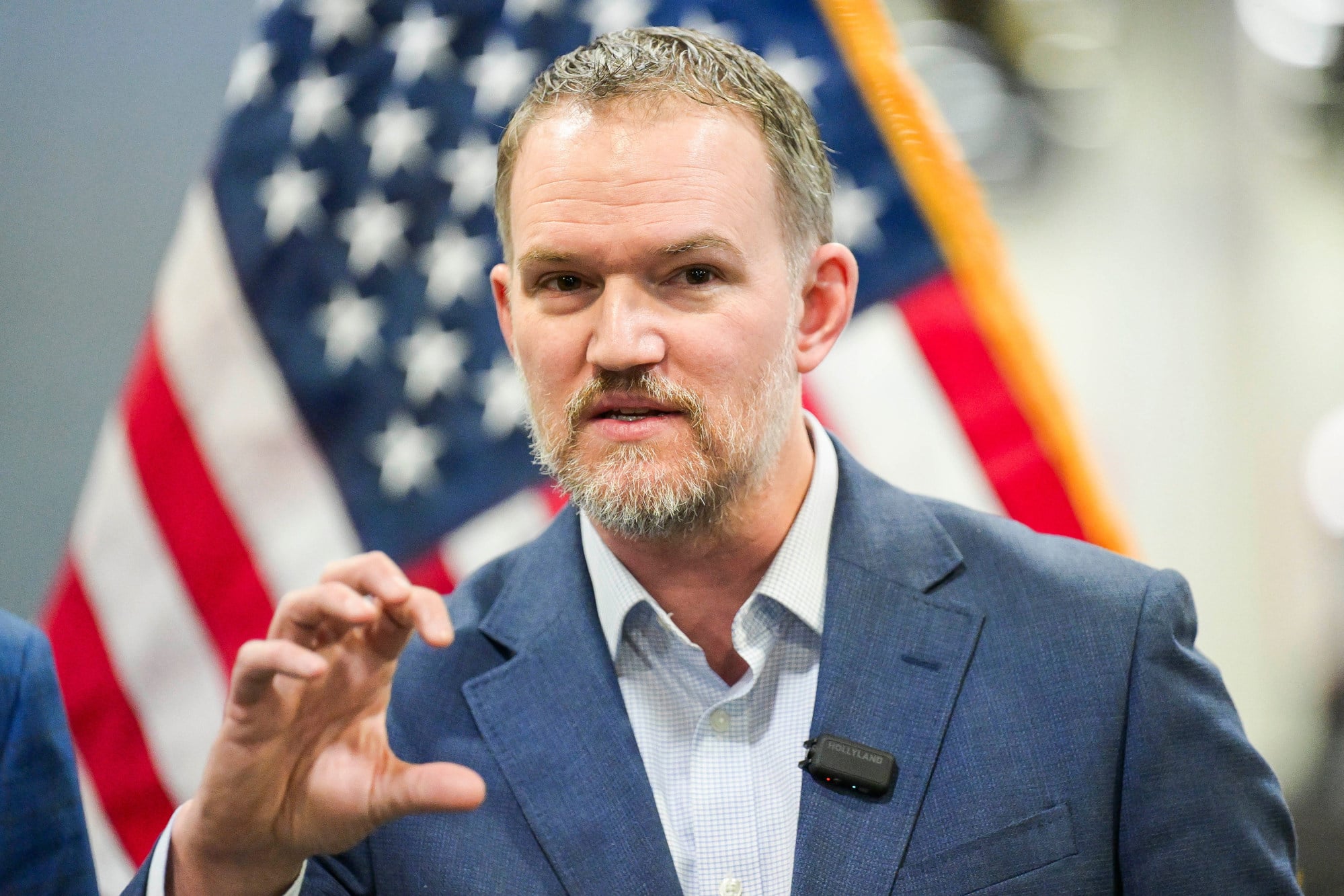
“The failure of our most important trading partners to address the importation of goods made with forced labour is unacceptable,” US Trade Representative Jamieson Greer said in a statement.
“This creates a dynamic where American workers are forced to compete globally on an unlevel playing field.”
The nearly 100-page USTR report argues that countries that export products made with forced labour distort markets, allowing US competitors to benefit from artificially low costs that penalise those complying with proper standards.
China was among 54 economies that had failed both to impose and effectively enforce a prohibition on imports made with forced labour, the agency concluded.
Analysts questioned the steps driving the administration’s decision.
“It seems like the consultations with the partner countries were more pro forma this time around, wanting to check the box but not really looking for a resolution,” said Cutler, a former senior US trade negotiator.
“The administration continues to favour high tariffs as a way to rebalance our trading relationships.”
Lange concurred. “The impression is increasingly emerging that a tariff measure is sought first, and only then is a suitable legal justification found,” he said.
While the administration’s proposed measures cover 60 economies that account for the vast majority of US imports, the report devotes undue attention to Chinese-linked supply chains, including cotton, polysilicon used in solar panels and critical minerals.
Beijing rejected the allegations on Wednesday.
“There is no such thing as ‘forced labour’ in China, and we oppose using it as a pretext for political manipulation,” said Foreign Ministry spokeswoman Mao Ning, adding that Beijing opposed unilateral tariffs and called for economic disputes to be resolved through dialogue.
“No one stands to gain from a tariff war or a trade war.”
The Chinese embassy in Washington echoed the sentiment, calling for “dialogue and consultation on the basis of equality, respect and mutual benefit.”
Beijing expected to take cautious approach for now
Despite the proposed tariffs, analysts said Beijing would likely tread carefully in the near term as it seeks to preserve the fragile stability achieved during last month’s Trump-Xi summit.
“China will likely exercise near-term restraint,” Marro said. Beijing understands the domestic politics driving the new measures and will want to avoid undermining the summit’s positive momentum, he added.
Many of Trump’s policies are quite spongy, allowing him to, for instance, turn from a near-isolationist and critic of “forever wars” to the prosecutor of conflicts in Iran and Venezuela.
But one that he appears to hold dearly, dating back to the 1980s, is his belief in tariffs, analysts said.
Henrietta Treyz, co-founder of consultancy Veda Partners, expects the self-described “tariff man” to maintain his commitment to import taxes “for the duration of his time in office” one way or another.
Section 301 tariffs are not capped at any specific rate, so as long as the USTR conducts a tariff review every four years, they can be perpetuated indefinitely.
But any immediate restraint in US-China relations may not last indefinitely, analysts said.
China’s willingness to absorb additional trade pressure would diminish if Washington moved ahead with further tariff actions beyond the forced-labour case, Marro warned, particularly as other Section 301 investigations proceed.
Additional probes could involve agricultural barriers and unfair digital practices, Cutler said.
In addition, both economic superpowers are increasingly stretching global trade architecture, added Scott Kennedy, senior adviser with the Centre for Strategic and International Studies.
Not only are US Section 301 probes predetermined, Kennedy said, but “Chinese industrial policy spending and regulatory support in favour of domestic industry are highly discriminatory and distorting”.
US trading partners unhappy with new tariff proposal
Wednesday’s proposal drew criticism from US trading partners and business groups, which also questioned whether the forced-labour investigation was being used to justify tariffs the administration already sought to impose.
The International Chamber of Commerce raised concern that such a blanket tariff approach, combined with existing trade agreements, could unsettle supply chains.
USTR carve-outs for energy, rare earths, pharmaceuticals, aircraft parts and some food imports, however, could help limit the economic impact, Marro said.
This reflects the administration’s bid to avoid disrupting strategic sectors, particularly those linked to artificial intelligence and advanced technology, he added.
The White House has increasingly turned to Section 301 as a central pillar of its trade agenda.
In addition to Wednesday’s forced labour announcement, Greer is also actively working on a second 301 investigation into manufacturing overcapacity involving major trading partners such as China, the EU and Japan.
“The US tariff story is far from over,” Marro said.
Another category of tariffs, known as Section 122 and justified on balance-of-payments grounds, will expire on July 24 unless Congress extends them, lending the White House urgency to the Section 301 process.
But “there are not enough votes in Congress to authorise an extension,” Treyz said, according to her count.
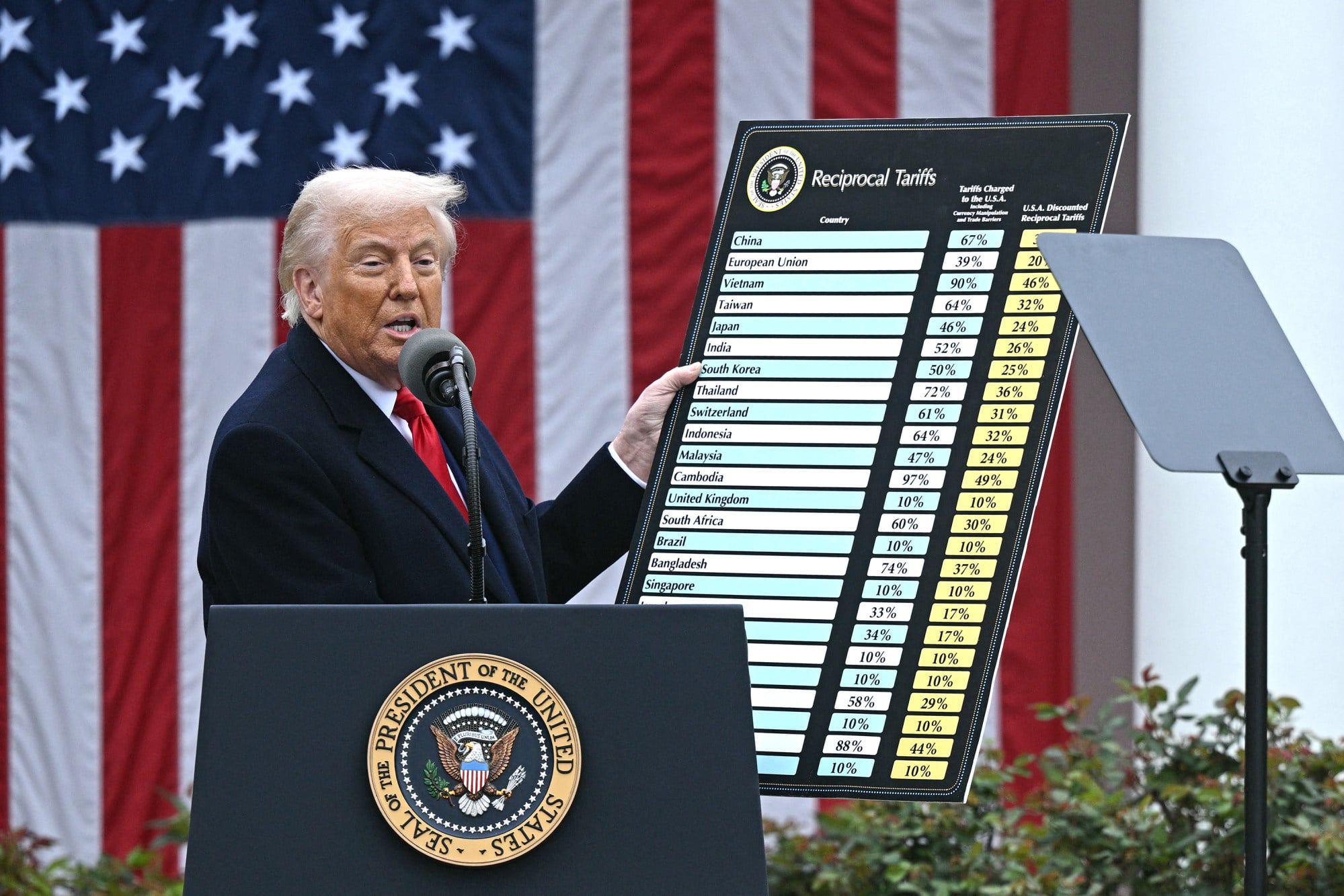
Trump’s jumble of tariffs also creates a dilemma for the White House. Before his legal setbacks, Trump’s primary focus was on “reciprocal” tariffs employed to muscle trade agreements with dozens of countries.
But none of these are signed, and talks remain in limbo because of the Supreme Court slapdown; the July 23 expiration of the Section 122 10 per cent tariffs; and the pending Section 301 forced labour and overcapacity investigations involving 87 nations.
That means the administration will need to decide by July 23 whether it wants to raise tariffs to 15 to 40 per cent, maintain the current 10 per cent tariffs, which would disrupt bilateral trade negotiations, or allow tariffs to expire.
Trump has already let tariffs lapse for political expediency. On June 8, with his crucial farmer voters under stress – hurt by the US-China trade war, fertiliser price increases due to the Strait of Hormuz closure, and the wide array of tariffs Trump imposed in 2025 – he dropped tariffs on harvesters, forklifts and other industrial equipment.
“We do believe that the White House will be hamstrung by the inflation crisis,” said Treyz. “Tariffs are most likely to stay at current 10 per cent rates through at least July 23, if not November 4, due to the midterm elections.”
Add it all up, said Marro, and “we should brace for a busy few months ahead”. -- SOUTH CHINA MORNING POST