




Hong Kong-listed artificial intelligence drug-discovery company Insilico Medicine has struck a collaboration with US-headquartered Human Longevity to co-develop what they describe as “the industry’s first large-scale” AI foundation models capable of predicting diseases – such as cancer – decades before clinical symptoms appear.
The partnership was announced as the global longevity market, fuelled by an ageing population and rising consumption demand, was valued at about US$5.3 trillion and projected to reach US$8 trillion by 2030, according to a recent UBS report.
Insilico founder and CEO Alex Zhavoronkov, in a written reply, framed the tie-up as the world’s two leading companies in the AI and longevity fields joining forces, adding they “have developed a conceptually new type of personal longevity AI that will not only let you live longer, but also help you and others discover new longevity drugs that work for everyone.”
Neither party disclosed the exact investment amount. They described the arrangement as “a multimillion-dollar AI co-development collaboration”.
Shares of Insilico declined 4.21 per cent to HK$48.28 apiece on Tuesday and slipped a further 0.4 per cent to HK$48.10 on Wednesday. The company raised HK$2.28 billion (US$291 million) in its initial public offering in December. Its self-developed AI platform spans the entire drug discovery process, from identifying disease targets to designing drug candidates and predicting clinical outcomes.
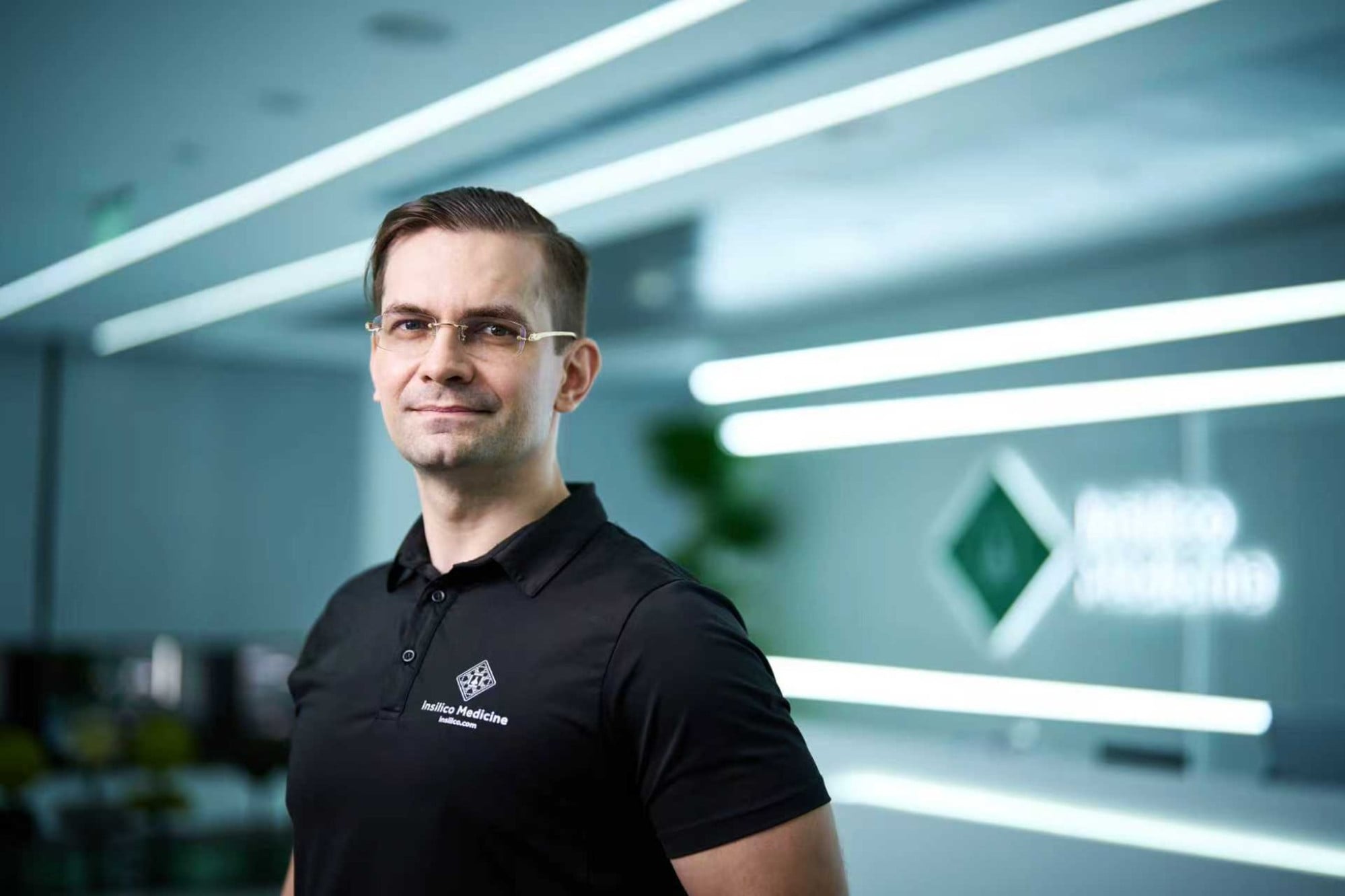
The collaboration will be executed through Human Life Foundation Models (HLFM), a newly launched company set up by Human Longevity.
Based in San Diego, Human Longevity was co-founded in 2013 by J. Craig Venter, the scientist who first sequenced the human genome. He died on April 29 at age 79.
Under the arrangement, Insilico would contribute “model architecture, benchmarking, training guidelines, and computational algorithms”, while Human Longevity would provide genomic datasets compiled from thousands of individuals, according to a statement.
The partnership was aimed at developing an AI system able to detect age-related diseases, predict health risks and discover personalised treatments to extend healthy lifespan, it added.
“We aim to build a next-generation AI system capable of decoding the biology of ageing,” Zhavoronkov said in the statement. “Human longevity and healthspan represent one of the most complex challenges in biology.”
By having HLFM partner with Insilico Medicine, “we are taking a major step towards creating a true foundation model for human health and longevity, one that can help predict complex disease decades before it occurs and guide interventions to extend healthy lifespan”, said He Wei-wu, executive chairman of Human Longevity, in the statement.
In a separate interview, He said Human Longevity had invested US$600 million over the past 13 years to create a longevity algorithm.
“The goal is to use modern technology, genomics and omics to help people live longer, healthier lives,” he said. “We are using MRI scans, CT scans and all kinds of imaging in our technology.” Omics refers to large-scale studies of biological molecules such as genes, proteins and metabolites, analysed together to understand systems biology.
Nobel laureate Geoffrey Hinton, widely regarded as one of the “godfathers of AI”, joined the company’s scientific advisory board in April, according to He. -- SOUTH CHINA MORNING POST


