
Central Asia is tilting more decisively towards China as geopolitical uncertainty deepens, with Beijing’s expanding influence recasting the former Soviet states’ strategic orientation. In the first of a three-part series, Laura Zhou looks at how vulnerabilities laid bare by the Iran war might make the region look to China for water security.
The US-Israel war on Iran has crippled global supply chains, choking off the world’s energy supply alongside reserves of critical commodities like fertiliser and helium.
It has also exposed the vulnerability of the world’s most indispensable resource: water.
The bombings of desalination plants in Iran, Bahrain and Kuwait since the conflict began three months ago have raised concerns about the security of infrastructure that keeps millions of people alive across the Middle East.
These risks could also resonate in neighbouring Central Asia, where governments grappling with worsening water shortages might look to China for help in modernising their irrigation systems and managing shared rivers, observers said.
Unlike Persian Gulf countries, which rely on desalination, landlocked Central Asia depends largely on glacier-fed rivers originating in the Tian Shan mountains shared with China.
Central Asia’s water supplies are chronically strained due to “the same factors that have plagued Iran’s water supply long before the onset of hostilities”, according to Oleg Abdurashitov, chief policy adviser at Dubai-based independent public affairs consultancy Outpost Eurasia. These include climate change, population growth and increasing urbanisation.
The region’s water crisis is partially shaped by the Soviet era, when rivers were diverted across the region to feed Uzbekistan’s “white gold” – cotton. One consequence was the near-disappearance of the Aral Sea, once one of the world’s largest lakes and now mostly a toxic desert due to the accumulation of pesticides used on cotton farms.
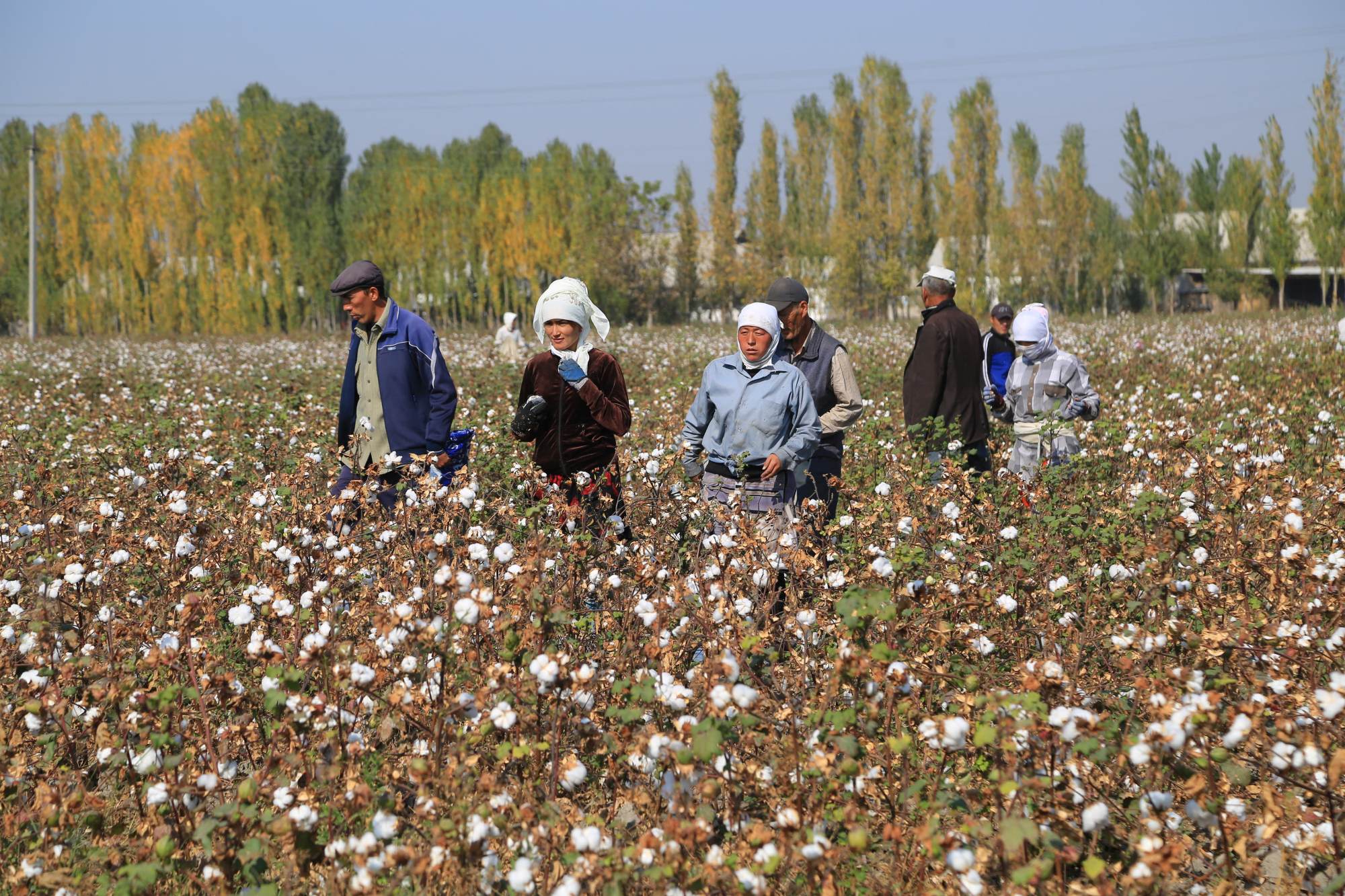
After the five Central Asian nations became independent in 1991, tensions over water use quickly escalated, particularly between the upstream countries of Kyrgyzstan and Tajikistan and their downstream neighbours Kazakhstan, Turkmenistan and Uzbekistan.
In 2012, Uzbekistan responded to Tajikistan’s planned construction of the Rogun dam – on a major Amu Darya tributary feeding the former Aral Sea basin – by cutting off gas supplies, among other measures, virtually paralysing its neighbour’s economy.
Meanwhile, the fertile Fergana Valley – the agricultural heartland of Central Asia now divided between Kyrgyzstan, Uzbekistan and Tajikistan – has long been a source of tensions, as Soviet-built canals pass in and out of the three nations’ jurisdiction.
In April 2021, violence erupted in the valley between Kyrgyzstan and Tajikistan after a surveillance camera installed by Tajikistan at a water supply facility on the border was damaged by angry Kyrgyz. At least 55 people from both sides were killed over four days and over 30,000 locals were forced to evacuate.
Making the situation worse, water infrastructure built during the Soviet era has fallen into neglect, while climate change is shrinking the Tian Shan glaciers responsible for up to 80 per cent of the water flowing in the region’s rivers.
The Middle East war might act as a wake-up call over the potential threats to Central Asia’s water systems, said Jessica Neafie, an assistant professor at the Department of Political Science and International Relations at Kazakhstan’s Nazarbayev University.
“The Iran war isn’t going to completely transform Central Asia’s water policy, but it is bringing infrastructure vulnerabilities to light,” she said.
For example, coastal areas on the Caspian Sea in Kazakhstan and Turkmenistan are already reliant on desalination plants.
“These systems are expanding because traditional freshwater sources are either over-allocated or geographically distant. That means they already have a similar infrastructure-dependent water security model to what we see in Bahrain and Iran,” Neafie said.
This might also boost Central Asian policymakers’ focus on water security, even as the region struggles with food security, energy planning and regional diplomacy as the United States, China and Russia continue to vie for influence.
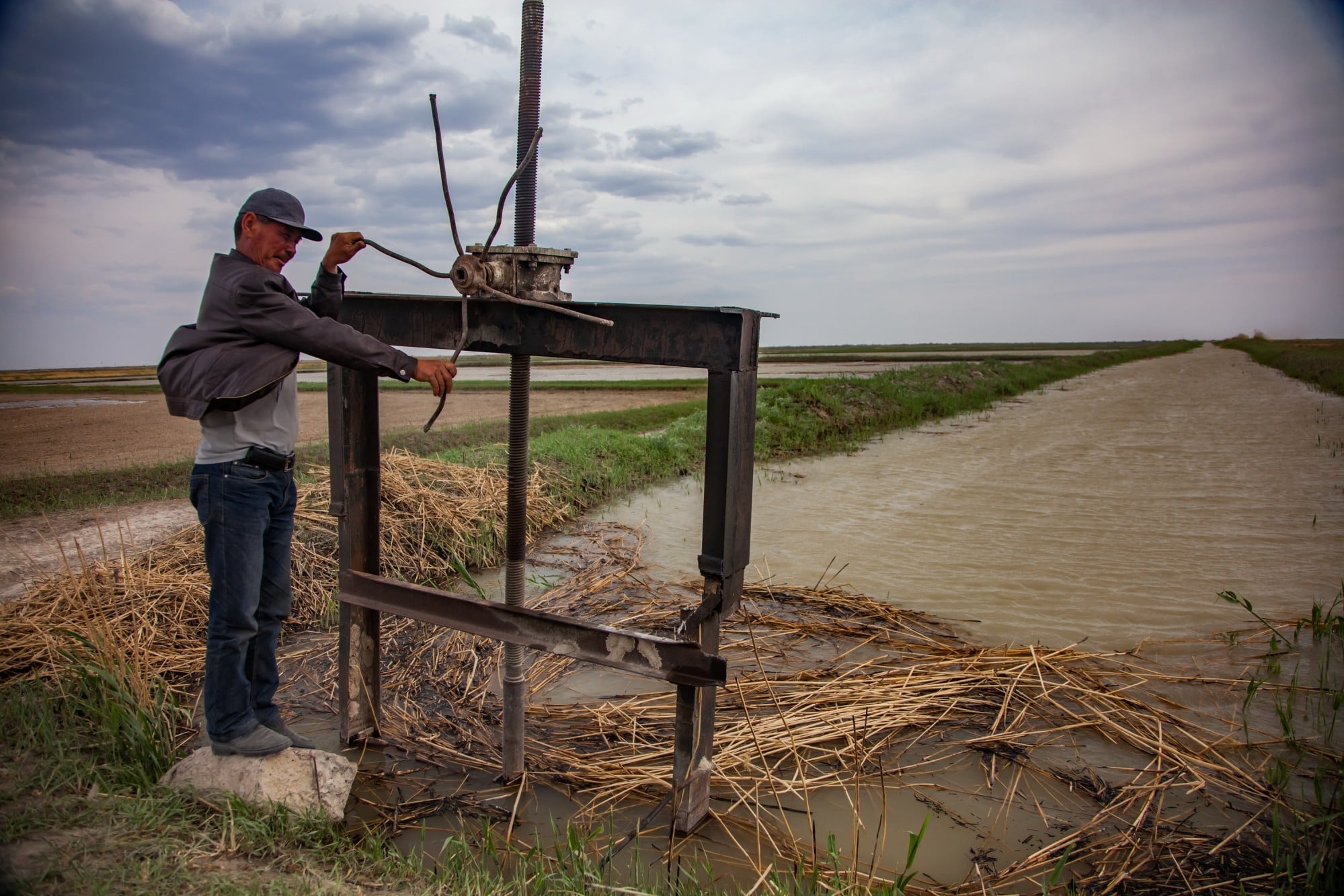
“Desalination is a strategic asset and potential target. This affects Kazakhstan’s future thinking: how to secure fixed, coastal, high-value water infrastructure in a more volatile geopolitical environment,” Neafie noted.
These countries might increasingly turn to Beijing for the investment needed to strengthen their water security, she added.
Water cooperation with Central Asia is already high on the agenda for China, which sees the region as an important trade partner, a geopolitical buffer and a major supplier of oil and natural gas.
Hosting the first China-Central Asia summit in 2023, Chinese President Xi Jinping categorically called for cooperation on water-saving irrigation and joint efforts to address the ecological crisis in the disappearing Aral Sea.
Collaboration on water-efficient technologies, reversing desertification and saline land reclamation were mentioned in the joint declaration released after the second summit in Kazakhstan’s capital Astana last year.
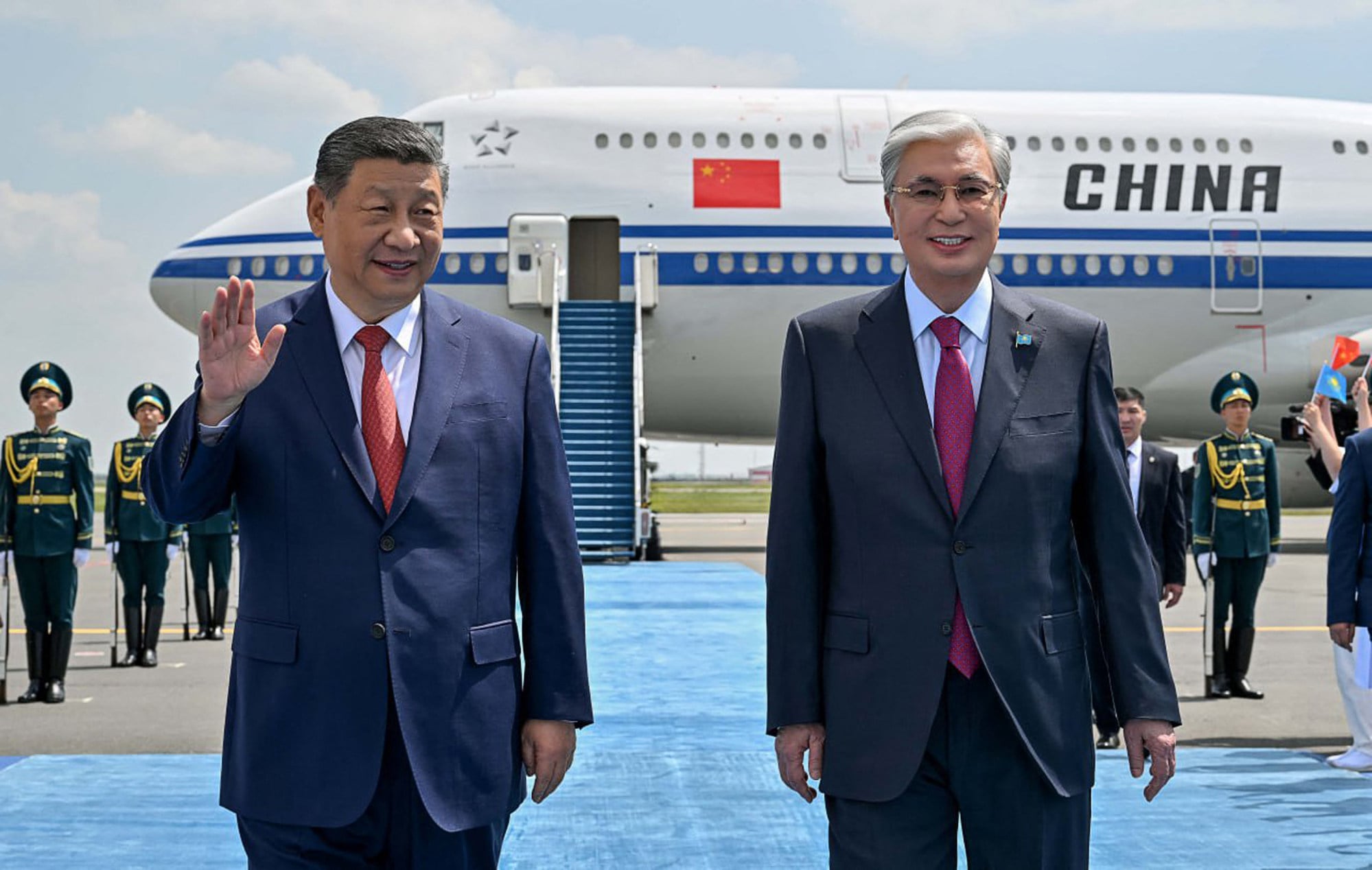
Chinese companies already play a major role in infrastructure development in the region, particularly in renewable energy. Chinese businesses have taken on major hydropower projects in Tajikistan and Kyrgyzstan, as well as the construction and modernisation of smaller hydropower plants across the region.
Central Asian officials also regularly visit major water-saving technology companies in China. Since 2024, state-owned PowerChina has sponsored and trained 325 Kazakh water management professionals.
According to Abdurashitov, Chinese expertise in water conservation and irrigation is also on display in Uzbekistan, which remains the region’s top cotton producer, and Kyrgyzstan. The Export-Import Bank of China provided Uzbekistan with a major loan to repair 400km (248 miles) of irrigation canals, with Chinese contractors working on the project.
Last year, China and Kazakhstan, which share 25 transboundary rivers, signed their first memorandum of understanding on water resources. Kazakhstan’s water resources and irrigation minister, Nurzhan Nurzhigitov, said at the time that the deal might contribute to the “more efficient use” of water resources and the “implementation of advanced technologies for water metering and saving”, as well as “advanced training of specialists in the water industry”.
Neafie said Central Asian states might see China as a key player in their future water security, as a source of technology, engineering capacity and finance.
“So as the [Iran] war makes water security feel more urgent, the existing relationship may grow as Central Asian states seek to shore up defences. Particularly if Central Asian states expand desalination along the Caspian, Chinese firms could play a role in financing, construction, and digital management systems.”
However, other observers said that paying the price for security would be the biggest challenge.
Infrastructure development is costly, usually funded by institutional loans running in the billions of dollars, according to Abdurashitov.
“While the region’s economic growth continues to outpace most of the world – and thus enables investors’ confidence to continue borrowing – it remains uniquely dependent on the fragile ecosystem already strained by the climate and overuse.”
According to a recent study by scientists in Switzerland and Belgium, the Tian Shan glaciers are projected to lose around one‐third of their ice mass before 2040, compared with 2020 levels, and between 69 per cent and 93 per cent by 2100, depending on the climate scenario.
Neafie said Central Asia’s water crisis was fundamentally transboundary, meaning that cooperation with China could not be a substitute for stronger coordination among the region’s five governments.
There have been some positive moves – in March last year Kyrgyzstan, Tajikistan, and Uzbekistan announced that all territorial disputes between their countries had been resolved. Seven months later, the first Kyrgyz-Tajik water management commission met in the latter’s capital Dushanbe. They discussed attracting investments to modernise key cross-border hydrotechnical facilities, according to Kazakhstan’s news agency Kazinform.
After decades of tensions and periodic clashes, the five Central Asian states last year reached an agreement on sharing water from the Amu Darya and Syr Darya rivers for the 2025-26 non-growing season, setting specific quotas for each state and ensuring minimum flows through key hydrological points and the Aral Sea delta.
But the balance could be upset. Shortly after taking power in 2021, the Taliban government in Afghanistan, which is not part of Central Asia’s regional mechanisms, started work on the Qosh Tepa Canal. If Kabul’s plans come to fruition, the canal may divert one-third of the flow of the Amu Darya, which now mainly supplies Uzbekistan, Turkmenistan and Tajikistan.
Also, while China and Kazakhstan began talks on their shared rivers in January, it remains unclear how far these discussions can go as Beijing has long regarded hydrological data as highly politically sensitive.
For Central Asian governments, the key goal is resolving water distribution problems, according to Yang Shu, director of the Institute of Central Asian Studies at Lanzhou University.
“Although there is cooperation with China, modern irrigation technology also requires significant funding. The core issue – one in which China cannot be involved – is the water distribution problem.” -- SOUTH CHINA MORNING POST