




A 14-year-old Chinese boy who reportedly “handcrafted” turbo engines in his home living room has sparked a heated social media discussion about his background.
Teenager Che Jingang, from southern China’s Hainan Island, came under the spotlight after several state media outlets reported him as a self-taught engineer.
Che, who has a social media account run by his mother with 30,000 followers, said he is enthusiastic about “everything that flies” and this passion led him down a path of self-studying calculus, aerodynamics since Primary Three.
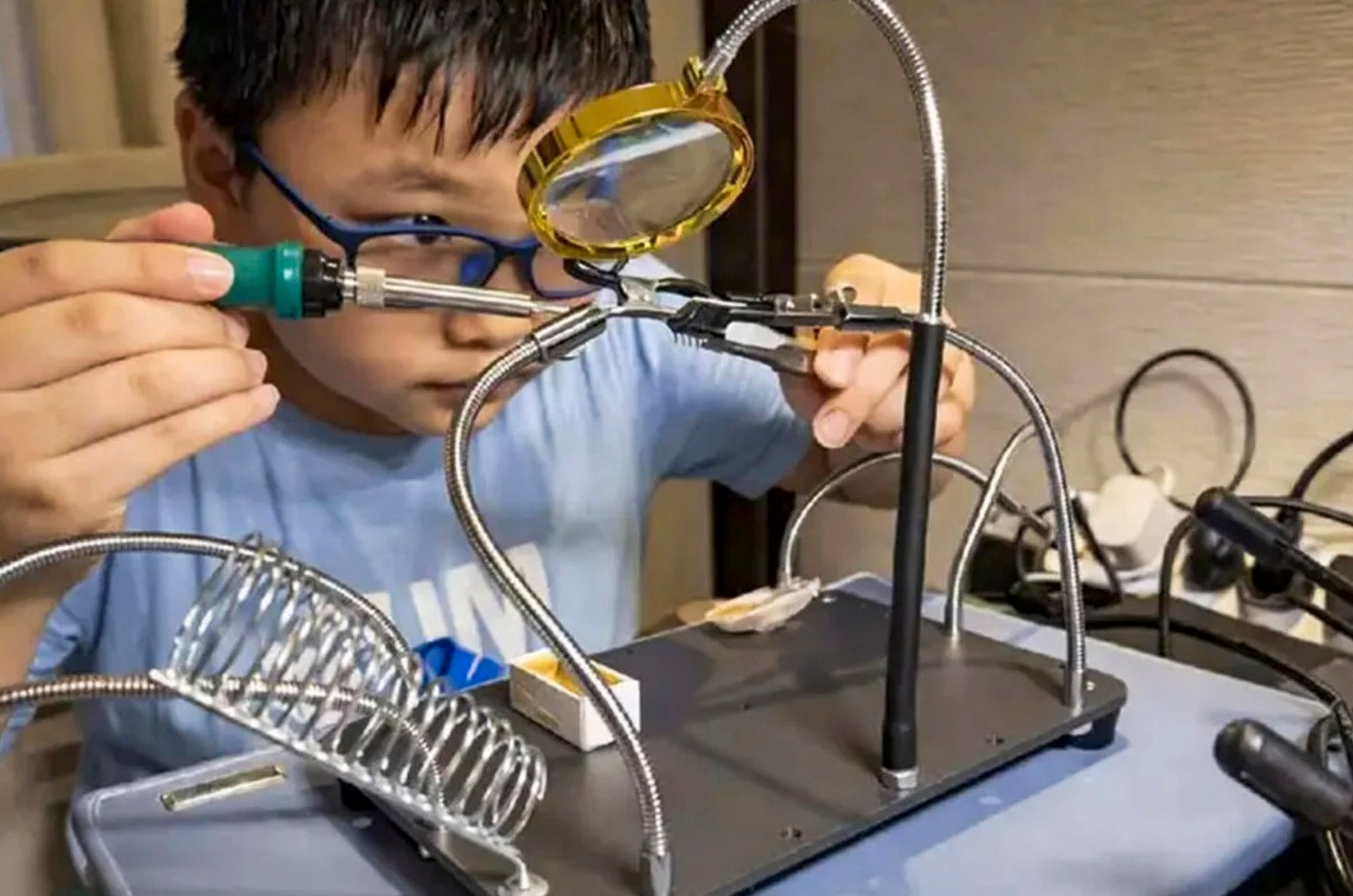
This eventually led him into handcrafting turbo engines in his living room.
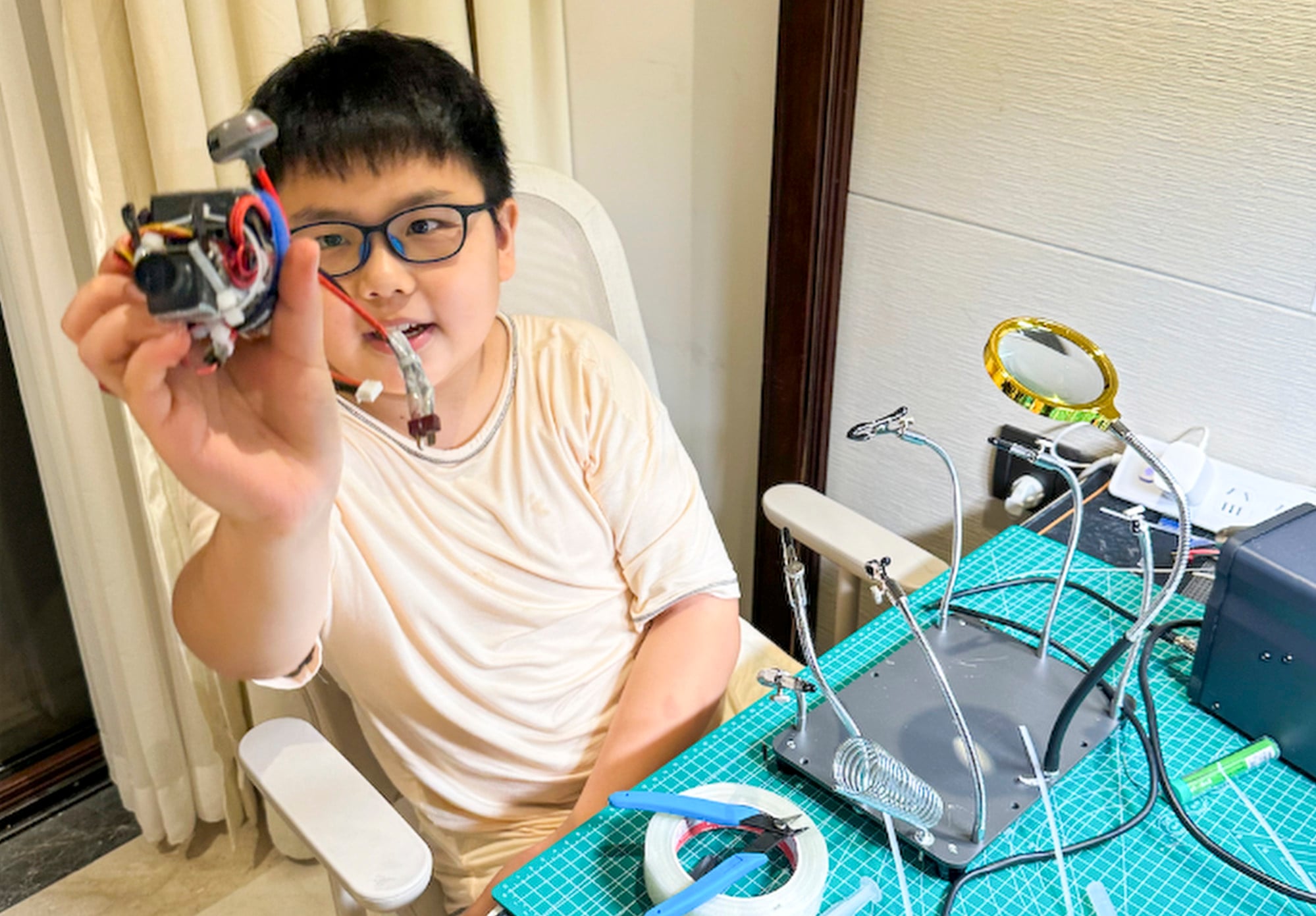
In the videos he posted, he introduces the process he employs to make and test his engines using jargon and calls himself “rocket boy” in the hashtag.
Che’s story aroused suspicions on social media, with many people questioning the authenticity of his story and his background.
Some people noticed that he saved videos introducing answers to a Primary Five maths problem and questioned his calculus knowledge.
Some provided unconfirmed information that Che’s father is the aerospace engineer Che Zhuming, who took part in multiple projects at the Xichang Satellite Launch Centre.
They attributed the boy’s premature achievements to his parents, and called him “young master”.
Some compared him to Jiang Ping, a 17-year-old who went viral as a “prodigy” after coming first at an international maths competition before being exposed as a cheat in 2024.
People suspected that Che is a “god built by his parents”, in an attempt to get him into better universities.
Responding to the questions under his account run by his mother, Che said: “It is normal for people to question me. All I need to do is focus on my practice, and let my ability speak for itself.”
Che reportedly made his first successful working model, an ultrasonic radar car while he was in Primary Two.
He then tackled more complicated projects, making robotic arms, model aeroplanes and now turbojet engines.
The living room of his home is filled with his projects. Sometimes he even occupied the kitchen.
Che said he did not systematically learn engineering and only learned how to solve problems when he encountered them during the process of making things.
He updated his progress online and received useful advice from professional comments.
His family fully supports his dream, having also hired him a programming tutor. They also generously fund his projects, which could cost thousands of yuan each.
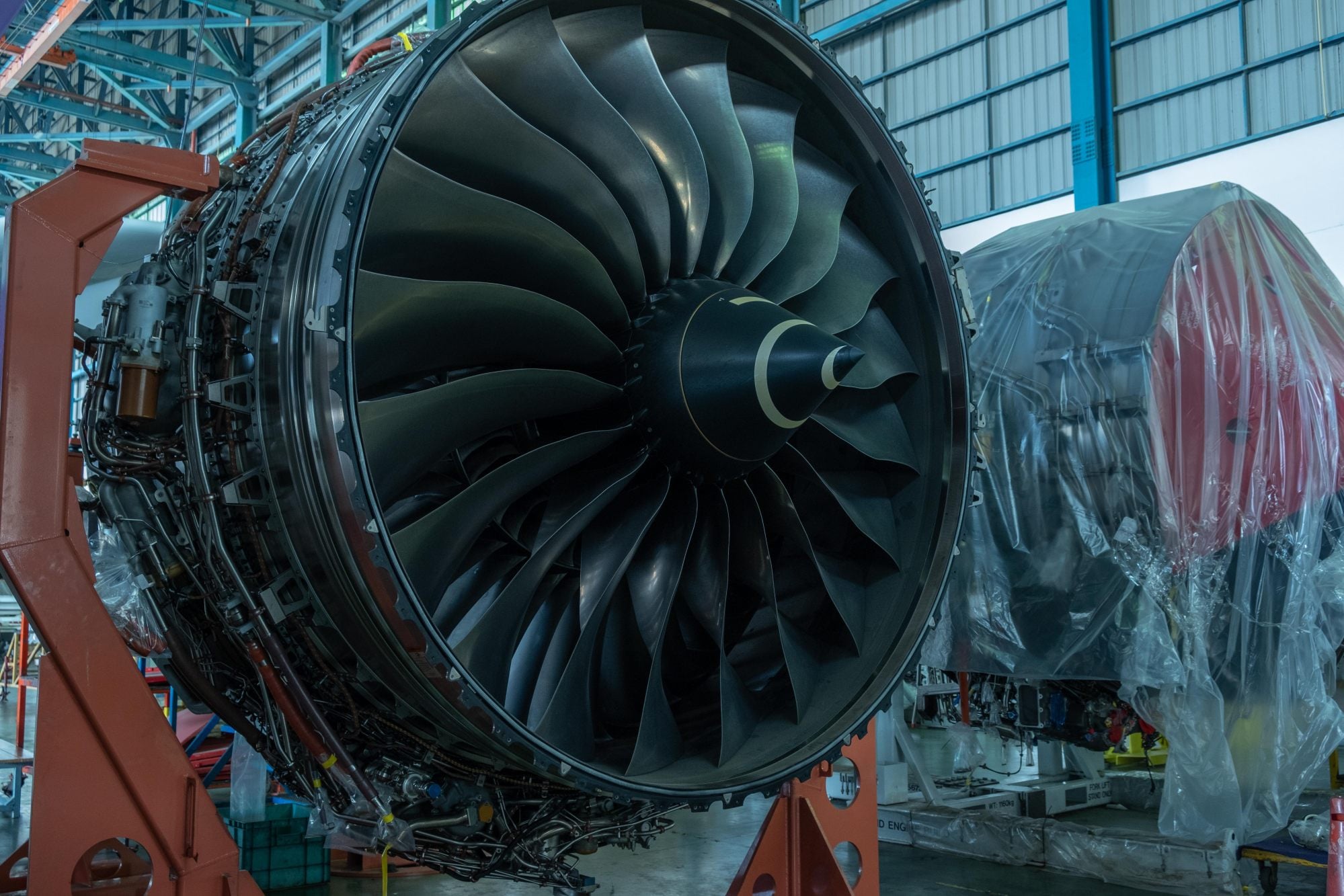
Regarding the turbojet engine that he recently became passionate about, it took him eight months to complete the first round of design. He outsourced other aspects of the job himself.
His first attempt failed but Che remained optimistic.
“My initial intention in making this engine was to acquire knowledge, and I have achieved that. It is OK to fail, as it gives me the motivation to try again.”
Che also has supporters on social media.
One said: “I look forward to the day when you make an actual aerospace craft.” -- SOUTH CHINA MORNING POST



