
BEIJING: In a tragic and mysterious ancient custom in China, unmarried girls were chosen as brides by a legendary “Cave God” and sent to live in caves, where they would fast to death as a form of sacrifice.
The practice, known as Luo Hua Dong Nv is a folk legend from the Miao communities in Xiangxi, located in western Hunan province in southern China.
It is an ancient practice which no longer exists and its origins are unclear.
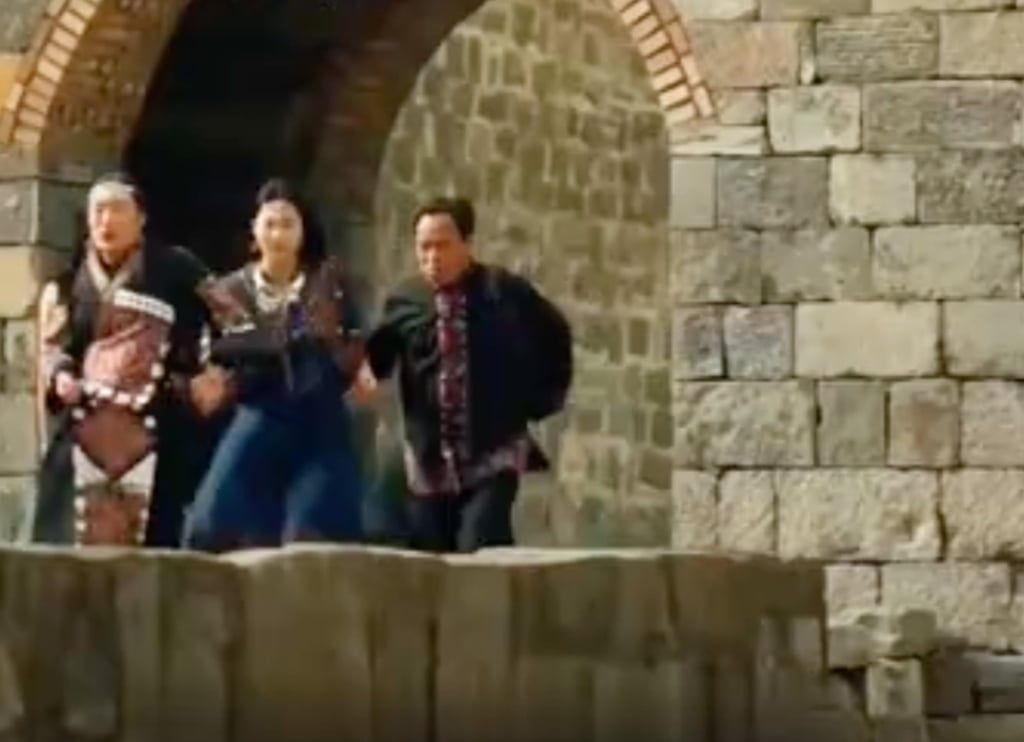
The custom has been described as a “marriage between humans and deities” and is regarded as one of the “Three Evils of Xiangxi”.
Two other rituals were corpse driving, where a master was said to have guided dead bodies to walk at night by ringing bells and scattering paper money, and Gu sorcery, a form of witchcraft that uses cultivated poisonous insects to harm or influence a targeted person.
Luo Hua Dong Nv typically involves unmarried women between the ages of 16 and 25, who are believed to be “chosen” and are often believed to have bright eyes, gentle personalities, intelligence and beauty.
The custom is thought to originate from animistic beliefs in the mountainous regions of western Hunan, where all things were thought to possess spirits and caves were regarded as the dwelling places of deities.
In some communities, when unmarried young women reach marriageable age without finding a suitable partner, they may begin to exhibit unusual behaviour: becoming obsessively clean, preferring solitude and appearing mentally absent.
They may seem dazed, talk to themselves, as if awaiting a spiritual calling.
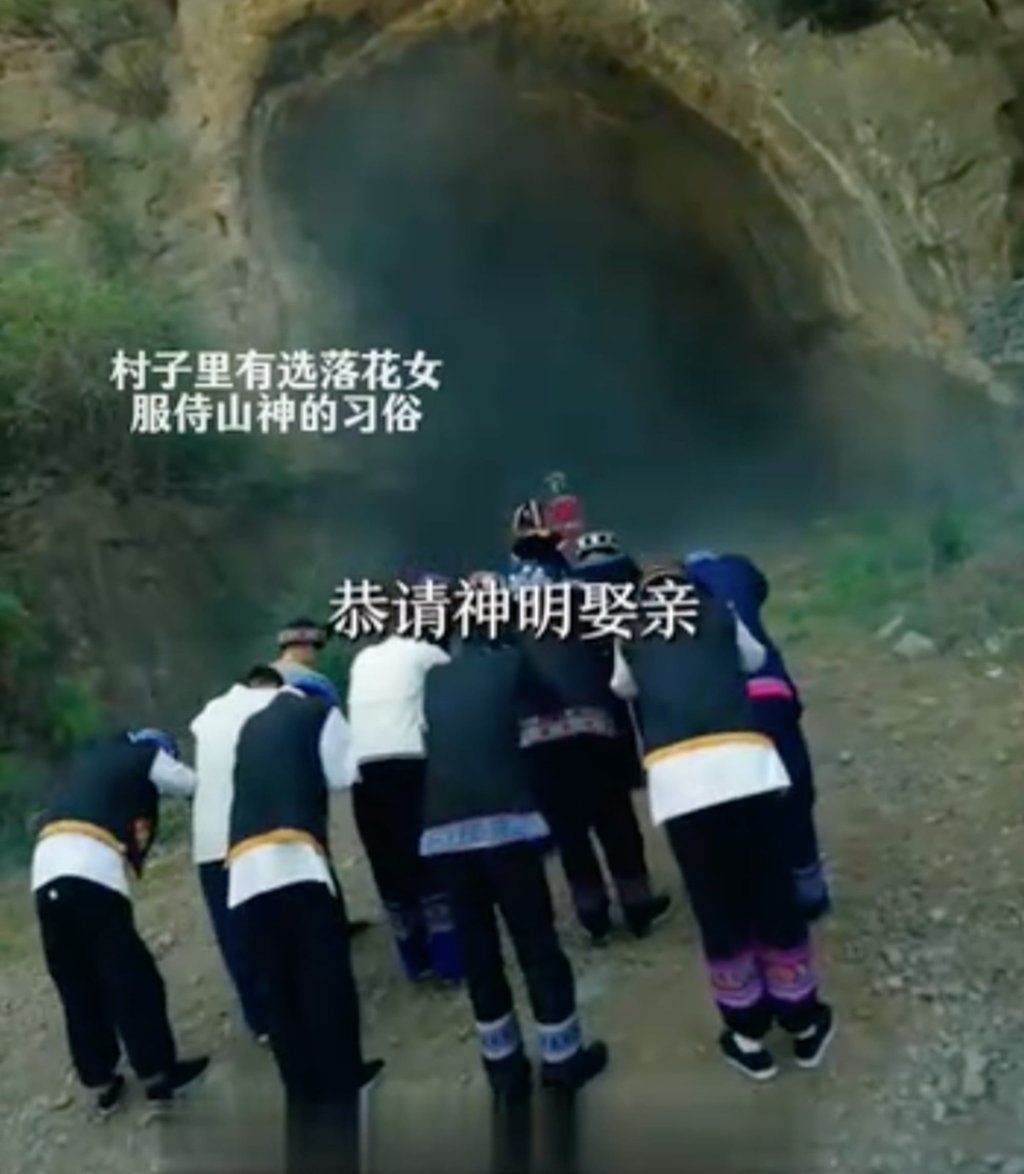
According to local beliefs, such girls are thought to have secretly pledged themselves to a deity. By maintaining physical purity and beauty, they are believed to be awaiting the deity’s arrival to take them away.
When this happened, families often became deeply anxious.
They would visit nearby caves to perform rituals, burn incense and paper offerings, and plead that their daughter is unworthy of divine affection, hoping the deity will release her.
If the girl recovered, the family would attribute it to the deity’s mercy and return to the cave to give thanks.
However, if her condition continued, the family would eventually resign themselves to fate and choose an auspicious date to send her into the cave as an offering.
Typically, the girl would remain in the cave and die after several days of fasting.
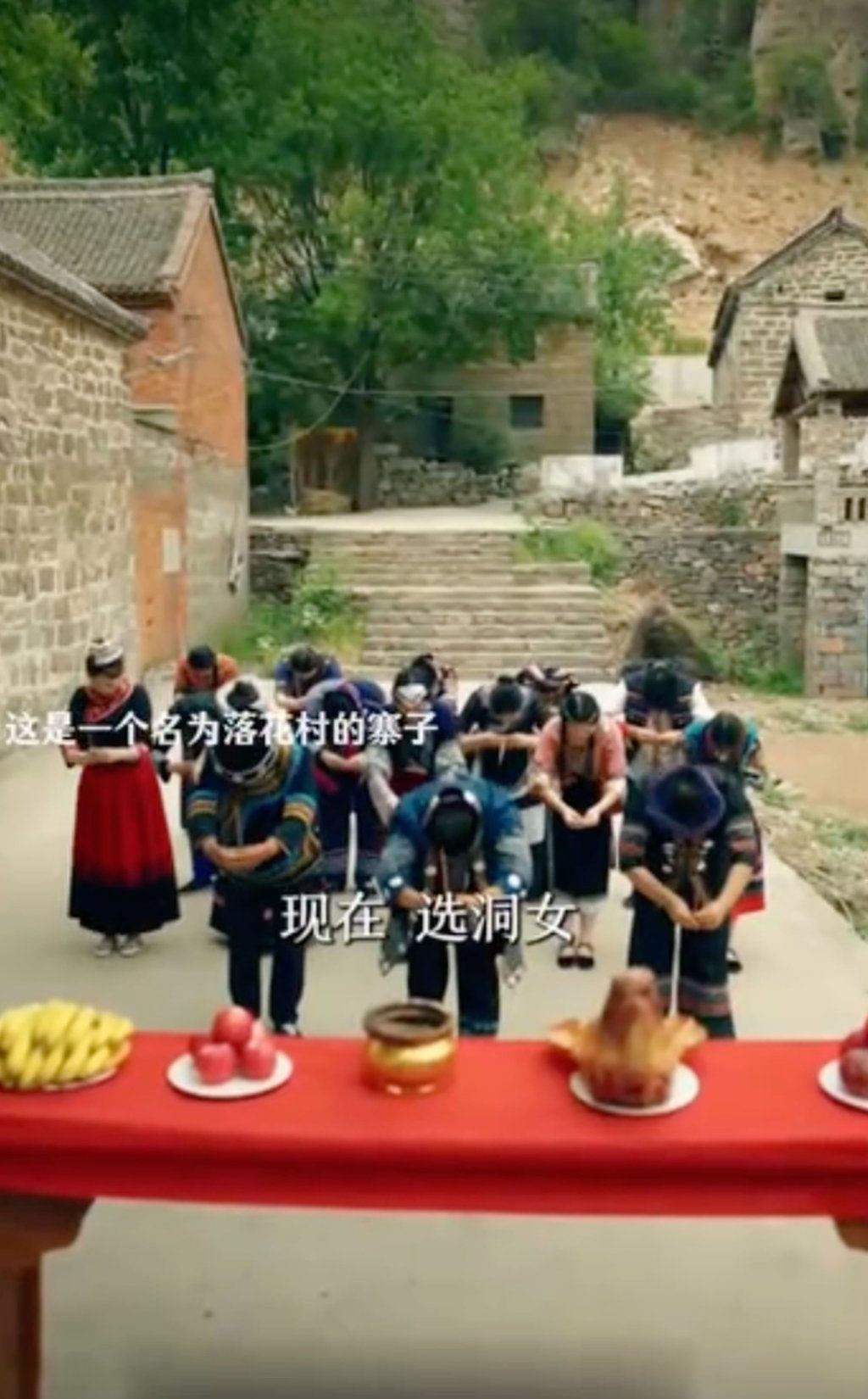
Local communities believed that she had gone to marry the Cave Deity, so instead of holding a funeral, they held a wedding ceremony.
According to traditional rituals, a dowry was prepared for the girl and burned in front of the cave, symbolising that she has been respectfully “married off”.
In some cases, people built a small hut near the cave, placing paper-made furniture inside and leaving the girl’s birth details, signifying that she has been given to the Cave Deity.
It was also said that during local weddings, when the bride passed by a cave in a sedan chair, firecrackers must be stopped in advance.
If the Cave Deity is disturbed, it may “steal” the bride’s soul, causing her to become mentally unstable thereafter. - South China Morning Post