




Asia’s technology industry is bracing for longer and deeper disruptions from the Middle East turmoil as analysts warn that prolonged hostilities could throttle semiconductor production and the buildout of artificial intelligence data centres.
The Strait of Hormuz, which carries about a quarter of global seaborne crude oil trade and 20 per cent of liquefied natural gas (LNG) shipments, remained effectively closed after US President Donald Trump said he would block the channel following the collapse of peace talks with Iran.
Markets responded negatively. South Korea’s benchmark Kospi index closed nearly 1 per cent lower on Monday, while shares of Samsung Electronics, the world’s largest memory chipmaker, dropped 2.4 per cent. Taiwan Semiconductor Manufacturing Company, the biggest contract chipmaker, slipped 0.5 per cent.
Crude oil bounced back to above US$100 per barrel, while the Japan/Korea Marker – the spot price for LNG delivered in Northeast Asia – approached US$20 per million British thermal units. Although lower than late March, it was still among the highest levels since 2023.
Unlike Europe, where “the primary transmission mechanism runs through natural gas”, the Asia-Pacific region’s exposure was concentrated in “crude oil and refined petroleum products, feeding directly into manufacturing input costs, transport and trade financing”, according to a report by BMI, a unit of Fitch Solutions.
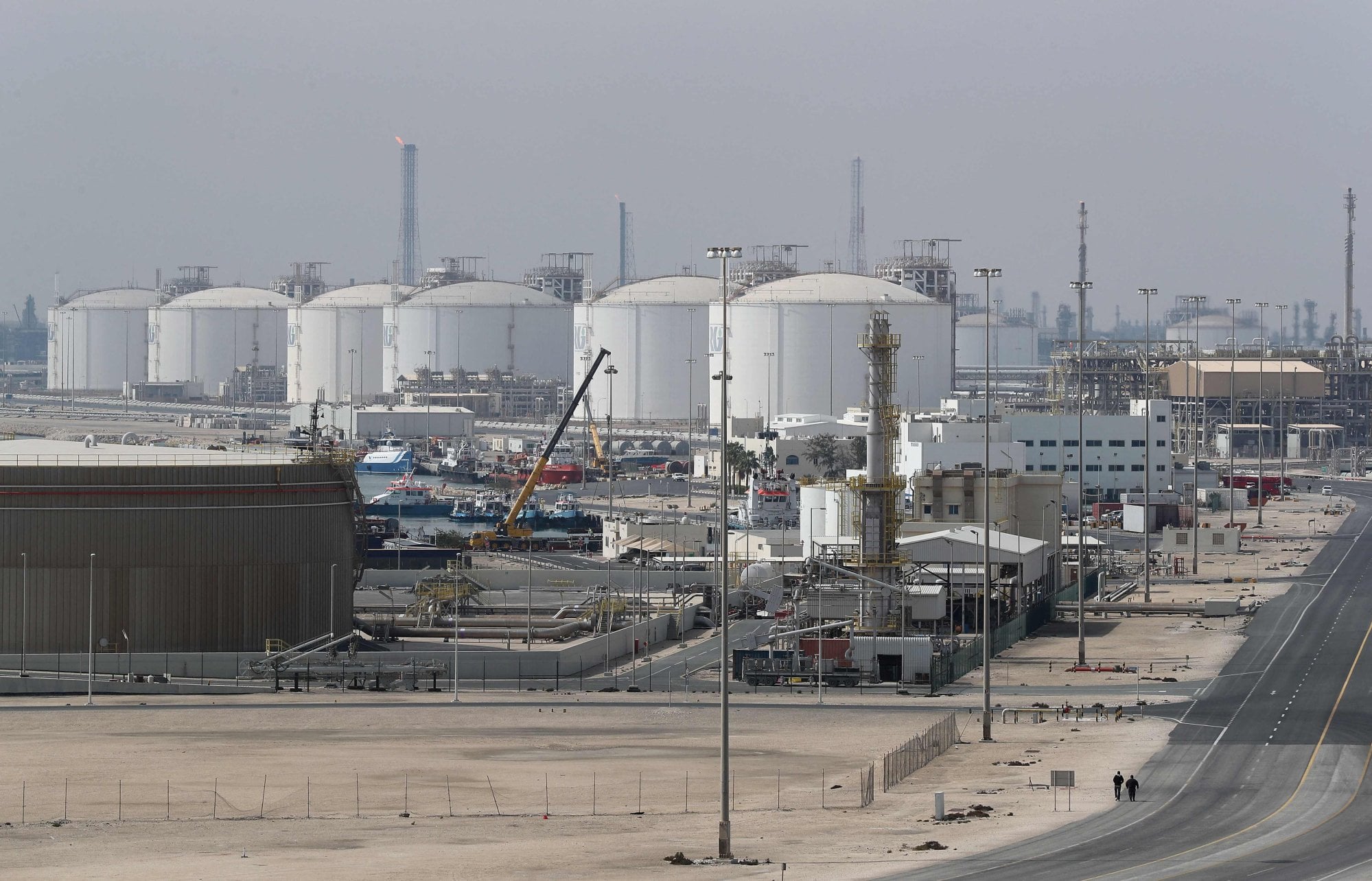
South Korea, Taiwan and Singapore rely on Qatari LNG for between 15 and 35 per cent of their total gas supply, and Singapore generates around 90 per cent of its electricity from natural gas. However, Qatar’s Ras Laffan complex, responsible for roughly a third of global supply, was struck by Iran in March, with Qatar’s energy minister Saad Sherida al-Kaabi telling Reuters last month that repairs could take three to five years.
“Natural gas output will take longer to normalise than crude after hostilities cease, due to infrastructure damage and contract renegotiation timelines,” the BMI report said.
Chip production depends heavily on helium, a by-product of natural gas processing. It “is essential for cooling wafers during chip etching, and there is no viable substitute at scale”, said David Pan, a director and a generative AI industry expert at Moody’s.
South Korea was particularly exposed to helium supply disruption as it sourced nearly 65 per cent of its helium from Qatar last year, according to Pan.
With orders for graphics processing units and high-bandwidth memory “already backed up more than a year”, a two-month disruption would not remain two months, Pan warned. “It compounds and turns into something much longer.”
But there were also “policy dynamics at play” as in a severe crunch “chip fabs would become the highest-priority industrial customers” in South Korea and Taiwan, “with other businesses rationed first”, said Josh You, researcher at research institute Epoch AI, in an article published on Friday.
The US government, meanwhile, “could intervene in a severe shortage”, he added.
Samsung Electronics and SK Hynix have signed long-term supply agreements with helium suppliers Linde from Germany and US-based Air Products, Korean media The Elec reported last week. Taiwan’s economic affairs minister Kung Ming-hsin said earlier this month that the island had received supply assurances from a “major” LNG-producing country.
Taiwan “didn’t say which producer this was, but in any case AI chips are so important to the US’ economic and strategic interests that the US government may ensure that Taiwan gets the LNG they need if chip production is threatened”, You said, adding that the US is the largest LNG exporter in the world.
Compared with wafer fabrication, data centres consume more energy, and “the war could cause serious energy problems for the buildout of AI data centres”, You said.
The current energy inflation had yet to affect operating data centres, but could hit the planned ones, he said. “A 10 [to] 20 per cent increase in total costs from an energy crunch could be enough to kill some projects.”
The impact could eventually translate into regional disparities. “Total data centre capacity may be fungible by location, with the US eventually absorbing data centres diverted from Europe and Asia,” he said. -- SOUTH CHINA MORNING POST



