TIMELINE: Japan's decade-long march towards arms exports


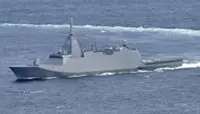
FILE PHOTO: A Mogami-class frigate of Japan's Maritime Self-Defence Force. Australia chose Japan as its partner in developing a new model of warship, according to announcements by both countries in 2025. - Ministry of Defence via The Yomiuri Shimbun

TOKYO: Japan has spent the past decade steadily dismantling some of the world's toughest arms export restrictions as it steps back from the postwar pacifism that shaped its security policy.

Here are the key events:
2014 - Then-prime minister Shinzo Abe ends a near-blanket ban on arms exports in place since 1976, allowing some transfers for humanitarian assistance and international cooperation seen to enhance Japan's security, as well as joint development programmes.

2016 - The Philippines leases five used TC-90 trainer aircraft for maritime patrols over the disputed South China Sea, marking the first significant military equipment transfer since the rule change.

2016 - In an early setback for Tokyo's export ambitions, Australia rejects a Japanese government-backed US$40 billion bid by Mitsubishi Heavy Industries (MHI) to supply advanced diesel submarines. Canberra picks a rival French design.

2020 - Mitsubishi Electric becomes the first Japanese company to sell newly manufactured defence equipment overseas with a deal to supply air-surveillance radars to the Philippines.

2022 - Japan joins Britain and Italy in the Global Combat Air Programme (GCAP) to build an advanced stealth fighter jet by the mid-2030s, marking its first major joint defence project without the United States.

2023 - Tokyo establishes Overseas Security Assistance (OSA), a mechanism to provide military aid to like-minded countries in South-East Asia and the Pacific. That programme has delivered patrol boats to Indonesia and Bangladesh, drones to Tonga and Sri Lanka and radar systems to Djibouti and the Philippines.

2023 - Japan loosens its 2014 export rules for the first time to allow equipment built under licence to be sold back to the country of origin. That change enabled MHI to supply Patriot air defence missiles to the United States, indirectly helping Washington arm Ukraine.

2024 - Another tweak is made a few months later to allow future overseas sales of the GCAP fighter as long as exports to countries involved in conflicts remain off limits.

2025 - In what will be Japan's biggest-ever military export, Australia selects an upgraded version of MHI's C in a US$7 billion, 11-ship order to replace its ageing Anzac-class warships.

2025 - Japan in December said it will double OSA funding to nations, including some facing maritime pressure from China.

2026 - Prime Minister Sanae Takaichi's ruling party in April recommends scrapping limits that confine arms sales to five categories: transport, relief and rescue, early warning systems, surveillance and mine clearance. The changes, which her government is expected to approve as soon as this month, maintain a ban on conflict zone exports except in extraordinary cases. - Reuters

Follow us on our official WhatsApp channel for breaking news alerts and key updates!
Japan , arms exports

Next In Aseanplus News

China’s use of propaganda may outwit US if Taiwan conflict arises, experts warn
Singapore man considered ‘central to case’ of alleged espionage in Norway
Tengku Hassanal to lead Mahkota Borneo expedition
Asean News Headlines at 10pm on Saturday (May 9, 2026)
Mount Dukono eruption: Key facts about one of Indonesia’s most active volcanoes
Philippines ex-president Duterte taps a new lawyer for ICC trial
'Enough is enough' Thailand orders crackdown on unruly tourists who misbehave in public
Beijing hits out at UK over conviction of two men tied to Hong Kong trade office
King invites Putin to visit Malaysia in 2027
South-East Asia nations boost maritime ties to avoid Hormuz-like crisis

Others Also Read